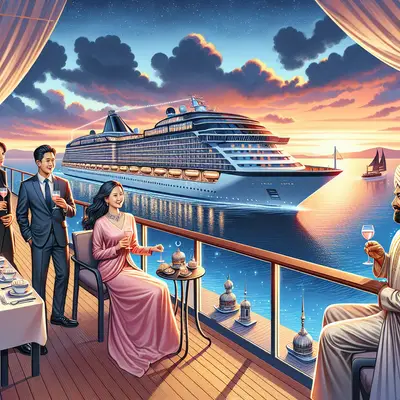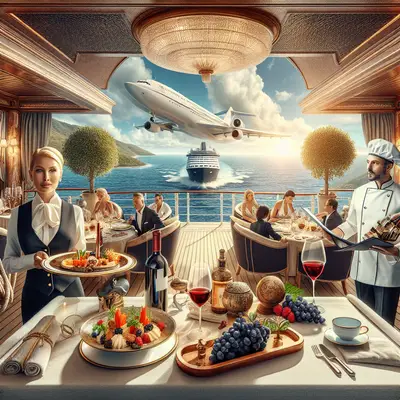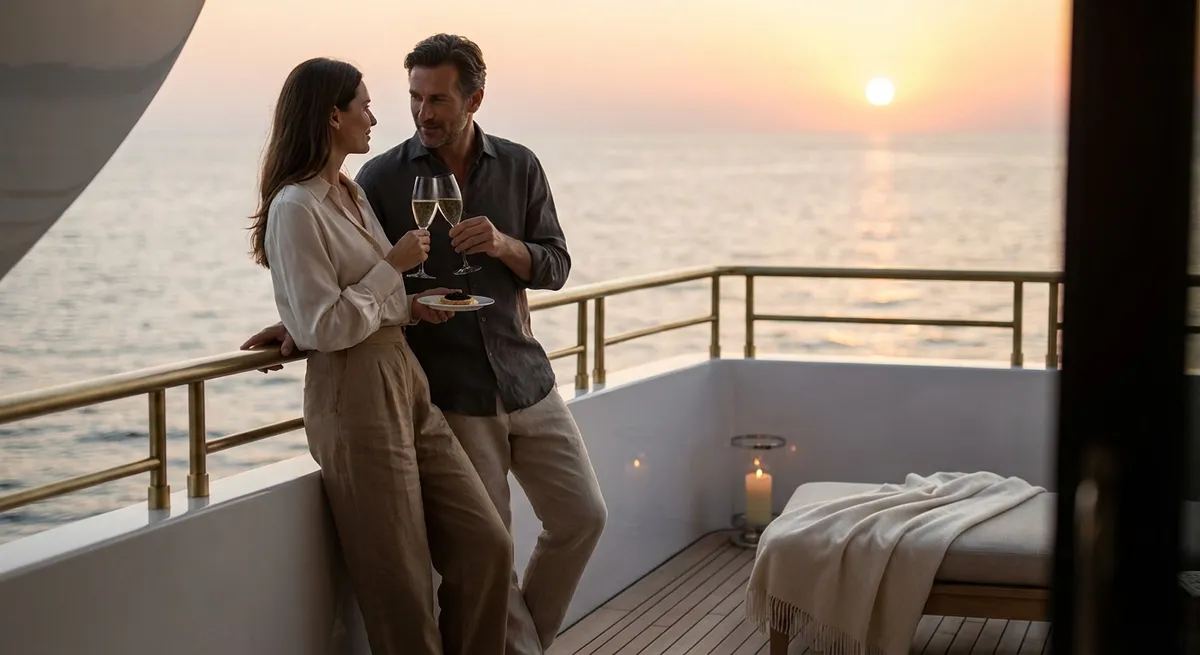
Luxury cruising has evolved beyond glittering chandeliers and showpiece lobbies. The most compelling voyages today are defined not by spectacle, but by a quiet choreography of detail: a steward who anticipates your preferred tea, a sommelier who recalls which vintages accompanied last night’s degustation, a tender ride that appears at precisely the right moment. For the discerning traveler, the modern luxury cruise is less about being seen and more about feeling exquisitely understood.
Below are five exclusive, insider-level insights that seasoned cruise enthusiasts increasingly prioritize—subtleties that separate a fine voyage from an unforgettable one.
The Curated Suite: When Space Becomes a Tailored Experience
In the upper tiers of luxury fleets, a suite is no longer just square footage with a balcony; it is a calibrated habitat. The best lines now design accommodations as multi-sensory environments, with lighting scenes, fabrics, and sound insulation chosen to create a cocooned calm even when the ship is in full sail and social spaces are alive with activity.
Top suites frequently feature walk-in dressing rooms designed to accommodate formalwear and specialty luggage, with lighting optimized for choosing attire before a gala evening. Bathrooms in these categories may rival boutique hotels ashore: deep soaking tubs oriented to the horizon, rainfall showers with multiple pressure settings, heated floors, and dual vanities placed for both privacy and conversation. Increasingly, brands offer discreet in-suite dining that approaches restaurant-level plating and temperature control, allowing guests to enjoy a chef’s tasting menu in silk loungewear instead of black tie.
The most refined touches, however, are the least advertised. Some ships maintain “pillow menus” well beyond standard down or hypoallergenic options, including cooling-gel designs, neck-support variants, or specialty options for those with back issues. On select vessels, a pre-arrival questionnaire allows guests to specify fragrance preferences, resulting in bespoke in-suite amenities—from bath salts to room diffusers—that align with personal taste rather than a generic brand signature.
The Private Architecture of Service: Beyond the Butler Myth
The language of luxury cruising often foregrounds butler service, but the quiet sophistication of elite ships lies in their service architecture—the way teams operate behind the scenes. On the most polished vessels, a seemingly offhand greeting by name at breakfast is rarely accidental; instead, it reflects a meticulous flow of information between departments that respects both privacy and personalization.
High-end lines now train butlers and suite attendants not only in service rituals but in what might be called “fine-grained discretion.” This includes reading micro-cues: a closed laptop quietly repositioned closer to the veranda chair; a half-finished book left open that signals the need for better reading light; a preference for sparkling water that appears without prompting in multiple venues. Staff rotations are increasingly organized so that the same core team follows a guest through the voyage, building an intuitive profile that doesn’t require repeated explanations.
Another underappreciated refinement is how luxury ships stagger and layer service to create a sense of unhurried ease. Laundry is often turned around not merely quickly, but with textiles pressed and returned in tissue, preserving the structure of tailored garments. Room service trays are collected with a precision that prevents corridor clutter, preserving both aesthetics and acoustic quiet. In the top echelon, some lines even rehearse “invisible” housekeeping windows so your suite feels effortlessly immaculate without the intrusion of a housekeeping schedule pinned to your door.
Culinary Precision: From Terroir at Sea to Tailored Menus
For many luxury guests, the ship’s culinary program is the true north of the experience. What separates a capable kitchen from an exceptional one is less about volume and more about intent. The finest cruise kitchens today operate like compact, mobile brigades, with dedicated chefs for speciality counters, patisserie, and regional menus—each supported by sophisticated provisioning logistics that begin months before embarkation.
An important, often-missed detail is the increasing emphasis on terroir at sea. Wine lists on top-tier vessels are now curated with the same seriousness as a Michelin-starred cellar ashore, including verticals of sought-after producers and rare allocations sourced directly from estates. Some lines coordinate itineraries with their wine programs, showcasing producers from the coastal regions the ship visits and organizing intimate tasting sessions where winemakers embark for a day to host masterclasses.
Equally nuanced is the handling of dietary preferences and wellness-focused dining. Serious luxury operators maintain individual guest profiles that capture everything from caviar preferences to sodium limits, so that a gluten-free guest or a plant-forward diner can enjoy menus that feel original and indulgent, not merely accommodated. On select ships, chefs may quietly compose off-menu tasting courses using ingredients a guest has particularly enjoyed earlier in the voyage, presented as a surprise sequence in a preferred venue.
Finally, the most sophisticated cruises now blur the line between dining and experience: multi-course alfresco dinners timed precisely with sunset; chef’s tables staged adjacent to the galley with sightlines into the controlled chaos of dinner service; and intimate, late-evening dessert dégustations that feel more like a salon than a restaurant.
The Reimagined Day at Sea: Intelligent Calm and Private Territory
To the uninitiated, a sea day can sound uneventful. To the experienced luxury cruiser, it is often the highlight: a deliberate pause, curated with the same care as a marquee port. Leading lines now design these days as layered experiences that respect different energy levels and social preferences, creating what might be called “private territory” within public space.
Rather than blanket activities, the best ships stage overlapping micro-programs—small-group wine seminars limited to a dozen guests, hands-on culinary workshops with restricted numbers, or ticketed wellness sessions that ensure quiet rather than crowding. Libraries and observation lounges are no longer afterthoughts; they are acoustically insulated sanctuaries, thoughtfully stocked with destination literature, art monographs, and design journals instead of generic paperbacks.
Pool decks on luxury vessels are increasingly designed with zoned serenity in mind. You may find an area of quietly spaced daybeds with dedicated attendants for chilled towels and sun-care products, while another part of the deck accommodates gentle background music and conversation. On some ships, a “serenity steward” manages the environment—discreetly moderating sound levels, ensuring used glasses and towels never linger, and adjusting windbreaks or shades throughout the day.
Sea days have also become prime territory for highly personalized wellness. Advanced spas at sea offer not only massages and facials, but evidence-based programs: sleep consultations, body-composition analysis, and customized stretching regimens, sometimes in partnership with prestigious brands or medical advisors. The result is less a day “off” and more a day “for”—for recalibration, reflection, and unhurried pleasure.
Destination Mastery: Beyond the Standard Shore Excursion
Among experienced cruisers, the caliber of a voyage is increasingly judged by its shore program. The most refined lines have quietly moved away from one-size-fits-all bus tours, instead offering a spectrum of experiences that privilege access, timing, and narrative depth.
One of the most telling markers is how a line handles port timing. Extended or overnight calls in culturally rich cities allow guests to experience destinations at their natural rhythms—that early-morning market before the tour groups arrive, or a late-evening stroll along a waterfront promenade when the day’s heat has ebbed. In certain regions, luxury ships now coordinate private opening hours at museums, palaces, or historic houses, granting guests the rare pleasure of exploring important sites without the compression of crowds.
Private or small-group excursions have become a signature of the upper tier: vineyard visits guided by the owner rather than a seasonal staffer; architectural walks led by local historians; or yacht-and-champagne sailings that slip into hidden coves while the main port thrums with activity. Some lines maintain relationships with local families, artists, and chefs, creating off-menu experiences—an invitation-only dinner in a restored townhouse, a closed-door atelier visit, or a performance staged specifically for a handful of guests.
Crucially, the finest destination programs recognize that luxury travelers value autonomy as much as access. Concierge teams now function as on-board travel advisors, capable of orchestrating fully bespoke days ashore for those who prefer to avoid any form of group touring. The result is a rhythm of travel where the ship serves as both sanctuary and springboard, delivering guests to the heart of a place while remaining an oasis to which they are eager to return.
Conclusion
The most rewarding luxury cruises today are defined not by overt opulence, but by the subtle, accumulated grace of thoughtful decisions: the architecture of a quiet suite, the unspoken choreography of service, the intentionality of a well-composed day at sea, and the way a destination is revealed rather than simply “done.” For the seasoned cruise enthusiast, these nuances are where true indulgence resides.
As the industry continues to refine its understanding of what discerning travelers actually seek—privacy over pageantry, nuance over noise—the ships that will stand apart are those that master the art of meaningful detail. In that quiet space, between a perfectly poured glass of wine and an unhurried gaze at the horizon, luxury at sea finds its purest expression.
Sources
- U.S. Federal Maritime Commission – Consumer Guide to Cruises - Overview of cruise regulations, passenger rights, and practical considerations for booking
- Cruise Lines International Association (CLIA) – 2023 State of the Cruise Industry - Industry trends, including the growth of luxury and expedition segments
- Seabourn – Official Website - Example of ultra-luxury positioning, suites, service style, and curated experiences
- Regent Seven Seas Cruises – The Regent Experience - Details on all-inclusive luxury, destination programming, and suite standards
- Harvard Business Review – The Elements of Value - Framework for understanding how premium services deliver value beyond basic utility, relevant to luxury cruise positioning
Key Takeaway
The most important thing to remember from this article is that this information can change how you think about Luxury Cruises.