The latest winners of the 2020 Nature Photographer of the Year awards are more than just arresting images for our feeds—they are a dispatch from the front lines of our planet’s most fragile, exquisite places. From Arctic ice fields and Patagonian fjords to bioluminescent shores and remote mangrove estuaries, the collection has become an unexpected roadmap for where discerning travelers are now dreaming of going next. For cruise guests, especially, these photographs are a preview of tomorrow’s most coveted itineraries.
As major lines quietly expand their expedition and small‑ship portfolios in regions like Svalbard, the Chilean channels, and Indonesia’s Raja Ampat, the winning images read almost like a curatorial brief: wild, elemental destinations where nature—not nightlife—is the main event. If you’re selecting 2026–27 sailings now, the stories behind this year’s award‑winning photographs offer a sophisticated lens for choosing where to go, when to go, and how to experience these places with the level of care they demand.
Below, five refined, insider‑level takeaways from the 2020 Nature Photographer of the Year showcase—translated into actionable inspiration for serious cruise enthusiasts.
Polar Silence Is the New Ultra‑Luxury
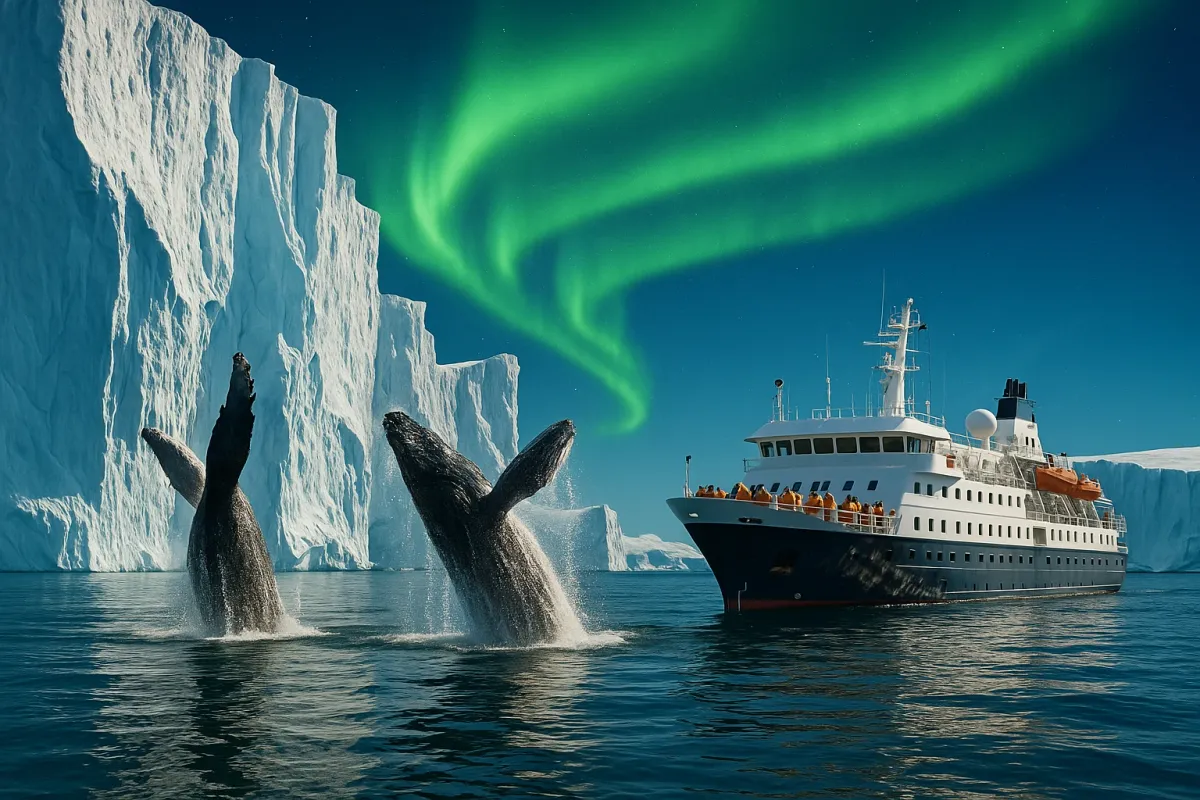
Some of the most haunting winning images this year capture polar bears adrift on fractured sea ice, auroras over Greenlandic fjords, and vast, untouched snowfields broken only by the track of a lone fox. These aren’t just powerful environmental statements; they mirror a sharp rise in high‑end expedition cruising to the Arctic and Antarctic, where silence has become the ultimate luxury amenity.
For travelers who have already “done” the Med and the Caribbean, these photos underscore why polar itineraries on lines like Silversea Expeditions, Seabourn, and Ponant are selling out seasons in advance. Here, your balcony view is drifting pack ice and midnight sun, not a crowded skyline. The photographers’ meticulous attention to light—golden hours that barely end, deep blue twilight over the floes—mirrors what veteran cruisers know: in the high latitudes, timing is everything. Shoulder‑season voyages (late May in Svalbard, late October in Antarctica) can yield the most ethereal light with fewer ships in the same waters. The lesson from the winning images is clear: the future of luxury at sea is as much about vastness and quiet as it is about thread count.
Fjords and Glaciers Are Moving from Backdrop to Center Stage
Several award‑winning shots linger on dramatic glacial faces, turquoise meltwater, and fjords so mirror‑still that a single wake seems sacrilegious. These are not casual landscapes; they’re composed like portraits, with the ice and rock treated as protagonists rather than scenery. That framing aligns perfectly with how more curated itineraries are now treating these regions: not as a scenic day on the way to a marquee city, but as the destination in its own right.
Cruise lines are responding by stretching their time in glacier country—dawn sail‑ins, extended “scenic cruising” days, and overnight anchoring where regulations allow. In Chilean Patagonia and along Norway’s less‑visited northern fjords, smaller expedition ships and yacht‑style vessels are designing routes specifically around light and topography, not ports. The photographers’ emphasis on texture—striated rock walls, blue glass ice, waterfalls rendered as mist—should guide how you choose your ship: opt for vessels with generous open‑air deck space, wraparound promenades, and observation lounges that face forward, not inward. A fjord voyage is increasingly less about the spa menu and more about having the right vantage point when the valley turns gold at 10 p.m.
The Night Sky Is Quietly Becoming a Destination of Its Own
Among the standout winning images are those that pair pristine landscapes with impossibly dense starfields: the Milky Way arching over remote dunes, moonlit mountains reflected in ink‑dark lakes, and even clever compositions where wildlife is silhouetted beneath a tapestry of stars. These shots capture a trend that is only just starting to be fully appreciated at sea: dark‑sky cruising as a deliberate pursuit.
In practice, that means itineraries that seek remoteness not just horizontally, but vertically—away from light pollution, shipping lanes, and over‑lit ports. Arctic and Subantarctic voyages, crossings to islands like the Faroes or South Georgia, and certain South Pacific routes naturally lend themselves to this kind of celestial theater. The photographic emphasis on long exposure and patience mirrors what the most in‑the‑know cruisers are now asking for: captains willing to dim exterior lighting on certain nights, onboard astronomers to interpret the sky, and thoughtfully timed deck events when the ship is positioned far from urban glow. If the competition’s night‑sky images resonate with you, look for itineraries marketed less around casinos and more around constellations.
Biodiversity Hotspots Are the New Boutique Ports
Macro shots—delicate insects on dewy leaves, reef fish frozen amid clouds of plankton, mangroves cradling juvenile sharks—have a strong presence among this year’s winners. They spotlight regions where biodiversity is dense and fragile: coral triangle archipelagos, equatorial rainforests, and estuarine nurseries that few mega‑ships can even approach. For cruise guests, these images highlight why small‑ship and expedition yachts in places like Raja Ampat, the Galápagos, and the Bissagos Islands are becoming the equivalent of booking an impossibly hard‑to‑get restaurant table: intimate, finite, and unforgettable.
The photographers’ work also underscores an uncomfortable truth: these are places that simply cannot tolerate mass tourism. Lines operating here—from Lindblad and Hurtigruten to ultra‑small Indonesian and Polynesian yachts—are increasingly marketing their conservation credentials as core to the experience, not as an afterthought. When booking, treat the photographers’ meticulous field ethics as your benchmark: insist on operators who limit group sizes ashore, coordinate closely with local communities, and build in time for education, not just selfies. In these destinations, a responsible ship isn’t a nice‑to‑have; it is part of the privilege of being there at all.
Weather, Not Wi‑Fi, Is the New Itinerary Driver
Some of the most compelling images in the 2020 collection are defined by transience: storms rolling over savannahs, squalls backlit by sunset, fog peeling back from mountain ridges at the exact moment a herd emerges. They are photographs that could only have been taken because the photographer stayed, watched, and waited. That same willingness to surrender to conditions is now baked into the DNA of higher‑end expedition cruises.
More lines are openly framing their sailings as “itineraries of intent” rather than rigid timetables, especially in wild regions like Antarctica, Greenland, and the sub‑Arctic islands of the North Atlantic. Captains reposition to chase better light on an iceberg field, linger in a bay when whales appear, or reverse a planned landing because katabatic winds are building on the lee shore. If the images that move you most are those of fleeting weather and wild conditions, this is the style of travel to seek out: voyages where the daily program reads more like a suggestion than a decree. For experienced cruisers, the trade‑off is clear—occasional missed port calls in exchange for rare moments that even the photographers consider once‑in‑a‑lifetime.
Conclusion
The 2020 Nature Photographer of the Year winners are, on the surface, a gallery of sublime images. For cruise connoisseurs, they are also a sophisticated briefing on where to look next: polar frontiers where silence reigns, fjord systems that demand to be the headline act, dark‑sky routes that turn decks into observatories, biodiversity enclaves accessible only by the lightest of footprints, and voyages shaped as much by weather as by schedules.
As major cruise brands accelerate into expedition and small‑ship territory while photographers continue to document these places with ever more nuance, the line between “destination” and “subject” is blurring. The most rewarding itineraries of the coming years will be those that treat the world not as a checklist of ports, but as a living canvas—one worthy of the same respect, patience, and precision the world’s best nature photographers bring to every frame.
Key Takeaway
The most important thing to remember from this article is that this information can change how you think about Destinations.