In a week when the Nature Photographer of the Year images are circling the globe—those spellbinding shots that stop your scrolling hand mid‑swipe—it’s worth asking a quietly uncomfortable question: have we, as seasoned travelers, stopped really seeing the world we sail through?
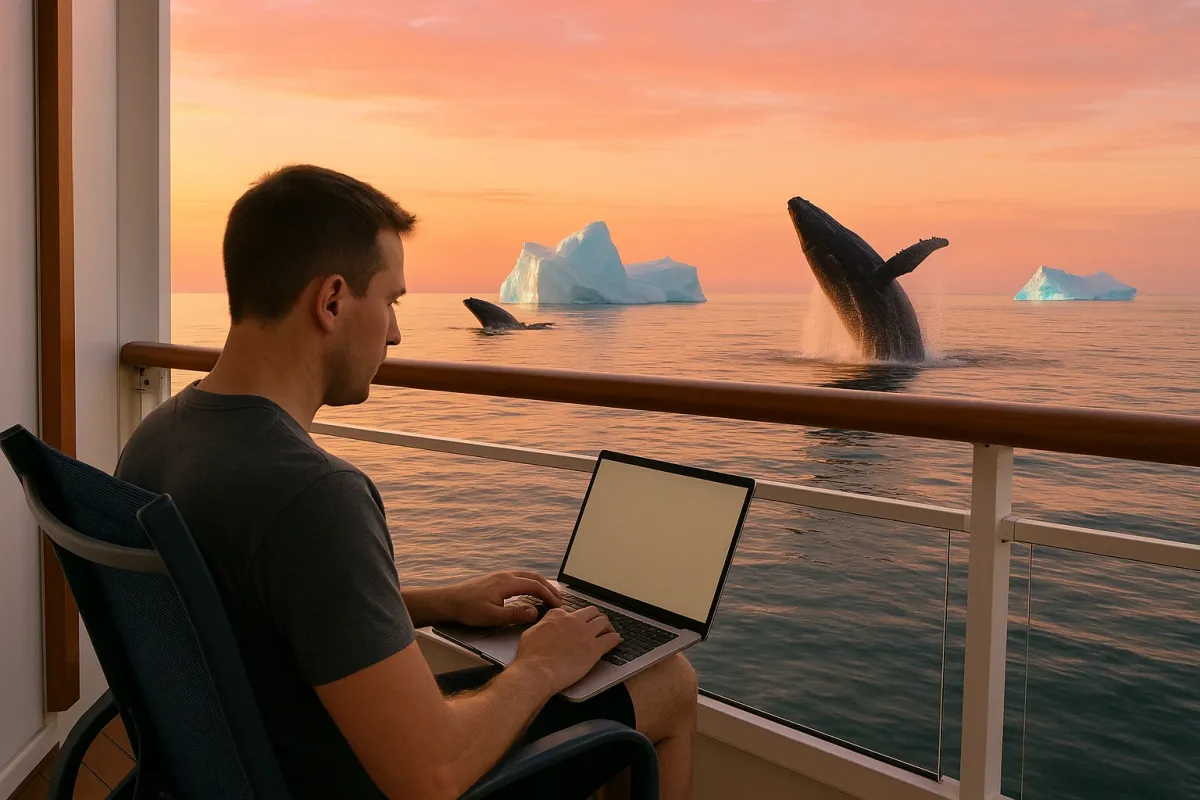
Award‑winning photographs from competitions like Nature Photographer of the Year 2025 are going viral precisely because they recapture something many frequent cruisers risk losing: pure, undiluted awe. The winning frames from Norway’s fjords, Antarctica’s ice fields, or bioluminescent bays in the Caribbean are often scenes we sail past in real time—yet we experience them through a balcony glance, a quick Story, and then a booking for the next tasting menu.
For discerning cruise guests, the moment demands a recalibration. If nature is once again commanding front‑page attention, perhaps the most luxurious upgrade this season isn’t a larger suite or higher‑tier beverage package—but a more intentional way of seeing. Below, five quietly radical, premium‑minded strategies to restore a photographer’s eye to your next voyage, even if you never touch a DSLR.
Curate a “One Frame Per Day” Ritual
The photographers currently being celebrated didn’t win by shooting everything; they won by deciding what not to capture. Cruise travelers can borrow this discipline in an elegantly simple way: allow yourself only one intentional image per day that “matters.”
Rather than firing off hundreds of near‑identical balcony shots, treat your day like a visual tasting menu with a single, exquisite course. Wander the promenade at golden hour, linger on the observation deck as the ship threads through a narrow channel, or slip away to the quiet bow at dawn. Wait for the moment that genuinely makes you inhale—a shaft of light across a glacier, the pattern of waves against a volcanic shoreline, the way low clouds wrap a hillside village. Then compose deliberately: clean lines, minimal distractions, one clear subject. The constraint forces you to scan, observe, and truly inhabit your surroundings instead of chasing content for its own sake.
This ritual has a curious side effect. Knowing you only “get one” shot each day makes you more present the rest of the time. You stop seeing the voyage as material and start experiencing it as atmosphere. Your camera roll becomes a curated gallery—more in tune with those award‑winning nature collections trending now—and less like a cluttered archive you’ll never revisit.
Reserve a “Photographer’s Balcony” (Even if You Aren’t One)
As cruise lines increasingly design ships for the lens—from glass‑fronted infinity pools to cantilevered observation lounges—serious nature photographers have long known a quieter truth: not all balcony locations are equal. In a season where precise vantage points are turning into prize‑winning images, balcony selection becomes more than a cabin choice; it’s a strategic viewing instrument.
If your itinerary features scenic cruising—Alaska’s Inside Passage, Norwegian fjords, the Chilean fjords, the Dalmatian coast—work with your travel advisor (or study deck plans and port‑by‑port headings) to secure what can be thought of as a “photographer’s balcony.” On one‑way routes, this often means booking the side consistently facing land; on circular or island‑hopping itineraries, the forward third of the ship offers a subtle advantage in capturing head‑on approaches to dramatic landscapes.
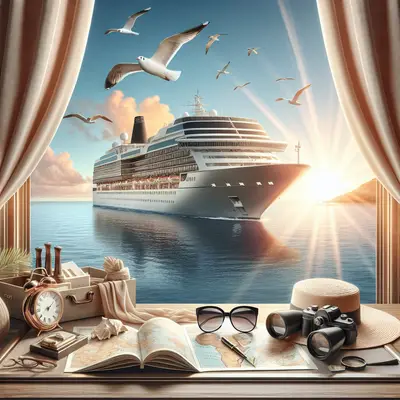
Beyond location, treat the balcony as you would a private box at the opera. Keep it clear—no drying towels, no cluttered furniture—so you can move freely and shift angles as the scenery evolves. A pair of compact, high‑quality binoculars becomes an essential accessory, as does a lightweight, neutral throw for pre‑sunrise vigils. Many of the winning nature photographs we’re seeing this week were made in marginal light and at unsociable hours; your balcony, properly chosen and treated as a viewing salon, is your invitation to experience the same.
Travel with a “Silent Hour” Philosophy in Iconic Landscapes
Scroll through the Nature Photographer of the Year finalists and you’ll notice an absence of one thing: noise. Not just auditory noise, but visual and cognitive interference. The images feel composed, intentional, almost meditative. Translating that aesthetic to a cruise requires a deliberate rejection of one modern reflex—constant commentary.
When your ship glides into a marquee landscape—Tracy Arm Fjord, Geirangerfjord, the approach to Santorini, a crossing past Stromboli at dusk—declare a quiet, analog hour for yourself or your travel party. No livestreaming, no calls, no frantic posting. Put your phone in airplane mode or, at the very least, camera‑only mode. Speak softly, or not at all. Notice how the ship’s wake sounds different against ice than open water, how the captain adjusts speed as cliffs close in, how birds begin to follow the ship as it enters rich feeding grounds.
If you do photograph during this hour, borrow a nature photographer’s ethic: shoot sparingly, then simply watch. That stillness—so evident in the celebrated images filling our feeds this week—is often the missing luxury on otherwise opulent voyages. In an era when everyone is broadcasting, choosing to observe quietly can feel like the most premium experience on board.
Commission Your Own “Expedition‑Lite” Moments
One reason the latest award‑winning photographs feel so transporting is that many were made on serious expeditions: multi‑day journeys into remote national parks, polar regions, or fragile marine environments. You don’t need to book an icebreaker to taste that mindset on a mainstream cruise, but you can curate more intentional, photography‑forward excursions while staying firmly within the realm of comfort.
Scan your itinerary for ports with meaningful natural backdrops—volcanic islands in the Canaries, rainforests in Central America, glacier‑fed lakes in Patagonia, desert coasts in the Arabian Gulf. Instead of defaulting to the standard panoramic coach tour, look for small‑group or private experiences timed to the softest light: first light on a caldera rim, late‑afternoon in a mangrove channel, sunset on a secluded headland. Increasingly, destinations are partnering with local naturalists and even photographers, inspired by the global attention these award circuits are bringing to their landscapes.
If your preferred line offers an “expedition team” or onboard naturalists—even on classic ships—introduce yourself early in the voyage. They often know quiet lookouts on deck, under‑the‑radar trails in port, or small operators whose boats position perfectly for wildlife and seascapes. Ask them where they would stand to take one photograph that captures the essence of the region. You’re not imitating the competition winners so much as adopting their underlying approach: access, timing, and respect.
Build a Living Gallery, Not a Digital Graveyard
As the Nature Photographer of the Year images proliferate across social platforms, what separates them from the billions of other travel photos uploaded daily is not only technical excellence—it’s curation. Someone chose these frames, printed them, sequenced them. Your voyages deserve a similar fate.
Before you disembark, begin editing with intention. On a sea day toward the end of the cruise, sit in a quiet lounge with a coffee or a glass of Champagne and select, at most, a dozen images that truly encapsulate this journey. Not the most flattering portrait nor the most “Instagrammable” dessert, but the frames that transport you: a coastline in improbable light, a distant storm over open water, a close study of a glacial crevasse, the silhouette of your ship against a rising moon.
After you return home, resist consigning these images to an endless camera roll. Print them—on fine matte paper if you can—or create a minimalist photo book for each itinerary. Date it, name the ship, the route, the season. Over years, you’ll build a private gallery of voyages that echoes, in a deeply personal way, the public exhibitions now drawing attention online. The act of elevating a handful of images into physical objects completes a circle: your cruise ceases to be a blur of ports and becomes, instead, a curated chapter in your own visual relationship with the sea.
Conclusion
The surge of interest around Nature Photographer of the Year 2025 is more than an appreciation of technical artistry; it’s a reminder that the world remains astonishing, even to those of us who cross oceans as easily as others cross cities. As cruise travelers, we are uniquely positioned: our ships sail daily through scenes that fill galleries and news feeds, yet familiarity can render them strangely invisible.
By adopting a photographer’s mindset—even without ever switching your camera off “auto”—you recast each voyage as a series of considered encounters with the living world: one frame per day, one meticulously chosen balcony, one silent hour, one intentional shore experience, one edited gallery. In a travel landscape obsessed with upgrades, these are perhaps the most meaningful enhancements available this season. Not new amenities, but a new way of seeing—and that, ultimately, is the luxury that lingers long after the ship has docked.
Key Takeaway
The most important thing to remember from this article is that following these steps can lead to great results.