If 2025 has proven anything, it’s that audiences no longer simply watch stories—they inhabit them. From the viral success of “relatable” comics and mental-health narratives to the enduring obsession with long-running TV universes, today’s travelers want experiences that feel serialized, emotionally textured, and shareable. Cruise lines have taken note. Rather than just selling itineraries, the most forward-thinking brands are curating voyages that unfold like finely crafted episodes—each port, each evening, another chapter in a larger narrative.
This shift isn’t happening in a vacuum. As online culture celebrates everything from bite-sized memes about existential dread to sprawling fandoms decoding hidden details in films like Ratatouille, cruise lines are evolving in parallel. The result: a new generation of sailings that feel more like immersive storyworlds than traditional holidays—subtle, sophisticated, and designed for a guest who wants both luxury and meaning.
Below, five exclusive insights into how top cruise lines are embracing this storytelling era—and what discerning cruisers should be watching for right now.
Immersive Themes Are Evolving from Gimmick to Genuine Narrative
For years, theme cruises meant a single hook: a music charter, a fitness sailing, perhaps a niche hobby at sea. In 2025, the most ambitious lines are moving beyond surface-level branding and building itineraries that behave more like long-form narratives. Think multi-day arcs where culinary menus, onboard lectures, shore excursions, and even live entertainment are orchestrated around a cohesive storyline or cultural thread.
Premium and luxury brands are leading this evolution. Rather than plastering logos on lanyards, they’re curating “chapters” of an experience—an opening night that sets the tone, a mid-voyage “plot twist” in a lesser-known port, a finale dinner with a menu echoing the journey’s themes. The difference is felt in the pacing: quiet mornings that invite reflection after dense, immersive days ashore; carefully timed sea days that serve as narrative interludes rather than filler. The best itineraries now feel intentional rather than incidental—less like a schedule, more like a story gracefully unfolding.
Entertainment Is Quietly Borrowing from Prestige TV (and It Shows)
As audiences dissect long-running series and celebrate easter eggs in beloved films, cruise entertainment teams are recalibrating. The days when a cruise show could simply be a medley and a spotlight are fading. In their place: serialized experiences onboard that reward guests for paying attention over the course of a voyage, much like a favorite streaming series.
Some lines are piloting multi-night productions with evolving storylines, where characters recur in different venues—cocktail bars, lounges, even pool decks—so guests feel they’re encountering a living world, not just one-off shows. Others are layering in subtle continuity: the same jazz motif reappearing in different arrangements across the week, or spoken-word performances that refer back to ports just visited. For tuned-in guests, it’s a sophisticated delight; for casual observers, it simply feels unusually cohesive and elevated. Either way, the influence of prestige TV—complex characters, careful pacing, narrative payoffs—is unmistakable.
Shore Excursions Are Becoming Editorially Curated, Not Just Logistically Convenient
In a digital landscape where people trade stories of scams, awkward encounters, and poorly planned tours, the stakes for shore experiences have never been higher. Discerning cruisers don’t want to feel like extras on a mass-market bus tour—they expect excursions that read like a carefully edited city guide, not a generic checklist.
The most forward-looking cruise lines are responding by adopting an almost journalistic approach to port days. Think curated “feature pieces” rather than scattershot “listicles”: one impeccably chosen winery instead of four rushed tastings, or a single local artisan workshop explored in depth rather than a drive-by photo stop. Increasingly, curated experiences are being co-developed with local storytellers—chefs, historians, conservationists—whose voices shape the arc of the day. For guests, this means less time in transit, more time in conversation, and the sense that each excursion could stand alone as a memorable short story rather than just another errand on the itinerary.
Social Media Moments Are Engineered for Subtlety, Not Spectacle
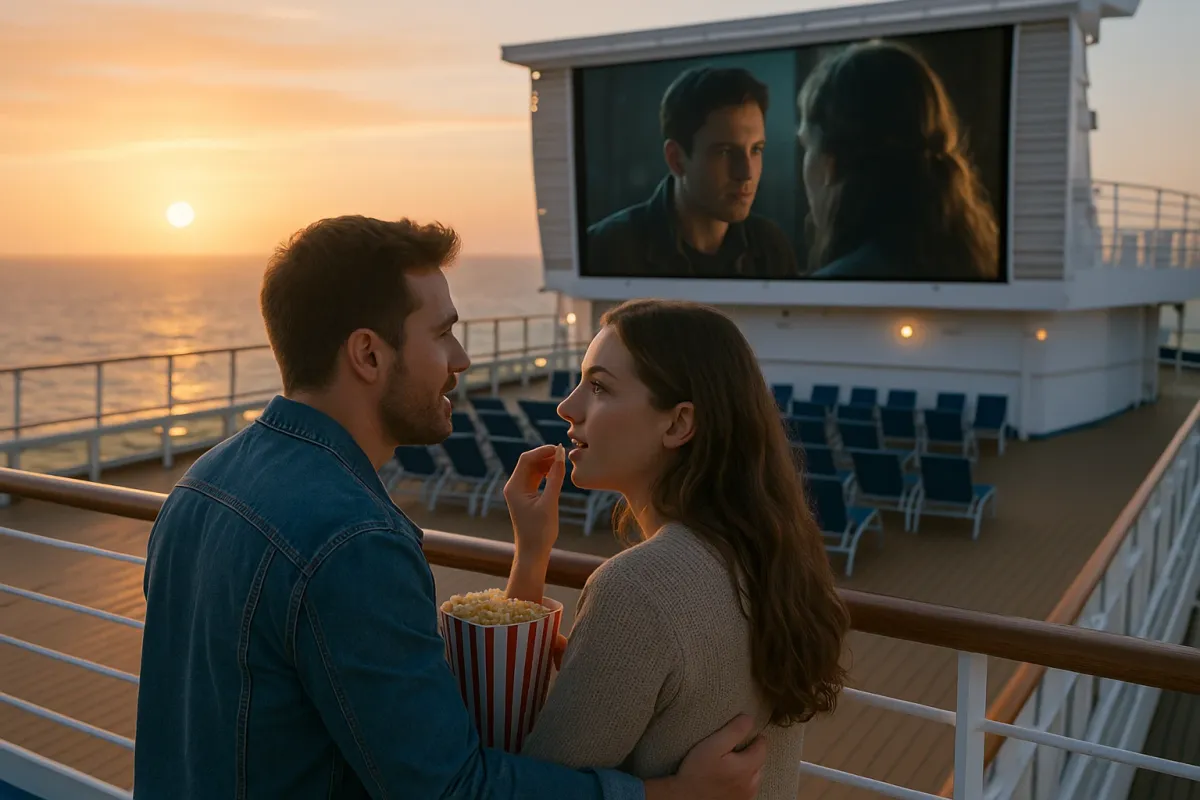
The online world has proven that small, authentic details—an unusually named pet, a quiet act of kindness, a beautifully framed moon—can go viral just as powerfully as grand gestures. Cruise lines are finally internalizing this lesson. Instead of only building massive, ultra-visible “wow” features meant for wide-angle shots, the more refined brands are crafting spaces that photograph beautifully in intimate frames: a single chaise facing an uninterrupted horizon, a reading nook wrapped in floor-to-ceiling glass, a bar where every cocktail arrives as a miniature tableau.
Behind the scenes, design teams are now thinking in vertical video and square crops as much as in deck plans. Sightlines are considered with smartphone cameras in mind; lighting is tuned not just for ambiance but for natural-looking photos at golden hour. Yet the effect onboard never feels crassly “Instagrammable.” When executed well, it’s restrained, almost cinematic—guests simply find their feeds looking more polished, their stories more cohesive, without being pushed into obvious photo-ops. It’s social optimization for those who prefer understatement.
Wellness at Sea Is Embracing Narrative, Not Just Amenities
As social media continues to normalize honest conversations about mental health and inner life, cruise wellness has been undergoing a quiet but profound transformation. The most sophisticated ships are moving beyond spa menus and gym square footage into something more resonant: wellness journeys that tell a story of restoration over the course of a sailing.
Rather than standalone yoga classes and isolated treatments, you’ll increasingly find programs that unfold in deliberate stages—circadian-friendly lighting in staterooms that eases guests into the voyage, guided sunrise sessions tied to the geography of that morning’s horizon, and reflective evening rituals after particularly moving days ashore. Some lines are integrating journaling workshops, mindful photography walks, or small-group conversations with onboard psychologists and life coaches. It’s wellness framed not as an amenity, but as an arc—a narrative of decompression and recalibration that begins the moment you step aboard and concludes, gently, as you disembark.
Conclusion
In a world enamored with shared stories—from long-running TV sagas to intimate online confessions—the cruise industry’s most intriguing evolution is its embrace of narrative thinking. The ships themselves are becoming stages, the itineraries scripts, and the guests willing protagonists seeking something more than sun and sea.
For seasoned cruise enthusiasts, the opportunity is exquisite: to choose voyages not only for their destinations or ships, but for the stories they promise to tell. In 2025 and beyond, the most memorable sailings won’t be defined by their length or their tonnage, but by the way they make you feel—chapter by chapter, port by port, long after you’ve returned to shore.
Key Takeaway
The most important thing to remember from this article is that this information can change how you think about Cruise Lines.