Bali is back in global headlines—this time not for serene rice terraces or sunset temples, but for the arrest-threatened adult content creator Bonnie Blue, now facing a potential 15‑year sentence for allegedly filming explicit material in violation of Indonesia’s strict decency laws. It’s a story built for outrage clicks, but savvy luxury travelers—and particularly luxury cruisers—are reading it very differently. Behind the scandal is a sharper reality: in a world where social media increasingly dictates how we travel, destinations are pushing back, hard, on what they see as disrespectful, exploitative, or illegal behavior.
For the luxury cruise guest sailing through Southeast Asia, the Bonnie Blue case is not just a cautionary tale; it’s a turning point. Indonesia, like many destinations from the Maldives to the UAE, is asserting cultural boundaries at the very moment high‑spending travelers are returning in force. The result is a new era of “curated freedom” at sea—where you can indulge without restraint aboard, while navigating a far more nuanced code of conduct ashore. Here are five under‑the‑radar shifts that serious cruise connoisseurs are already adjusting to, quietly redefining what it means to travel elegantly, responsibly, and comfortably in 2025.
The New Quiet Luxury: Cultural Discretion as a Status Marker
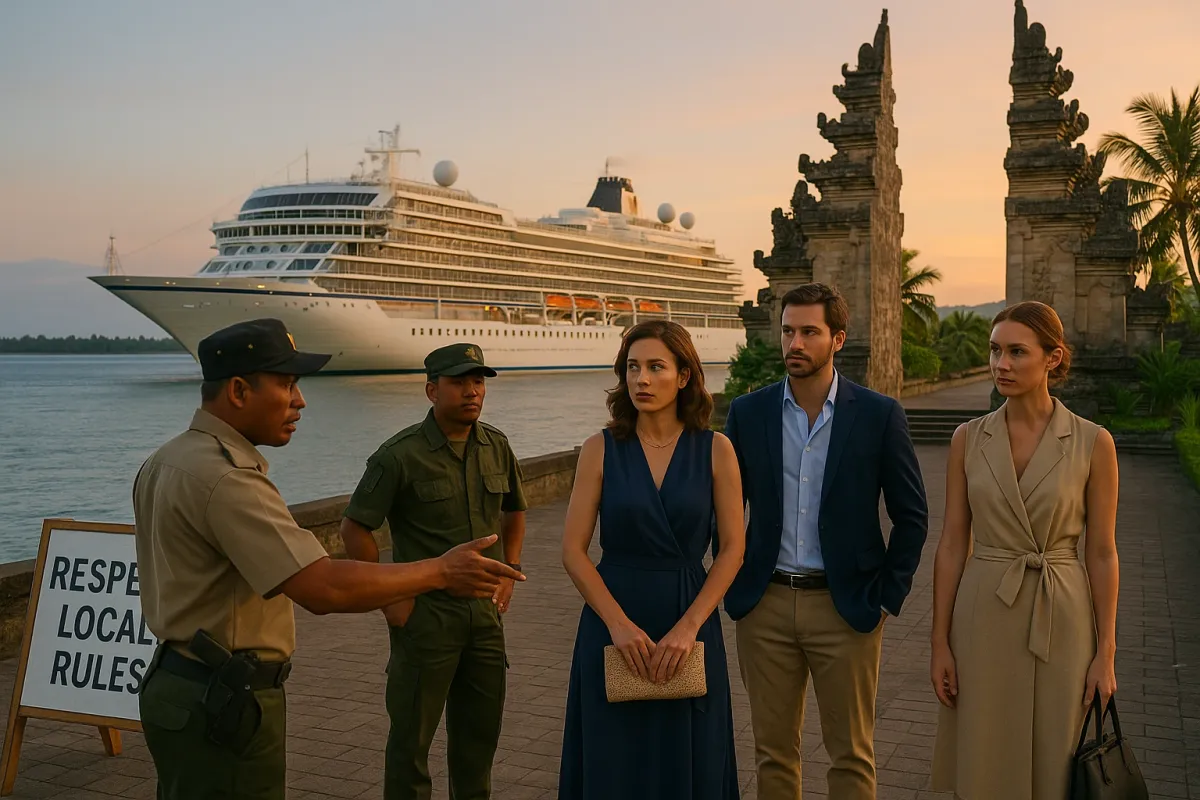
In the wake of Bali’s latest scandal, what used to be a minor fine or a stern talking‑to is now prosecutable headline material. The destinations on your Indonesian or wider Southeast Asia itinerary—Bali, Lombok, Komodo, Surabaya—are no longer indulging uninformed visitor behavior. For ultra‑high‑end cruise lines like Seabourn, Regent Seven Seas, Silversea, and Explora Journeys, this is accelerating a subtle but profound shift: discretion is the new luxury accessory.
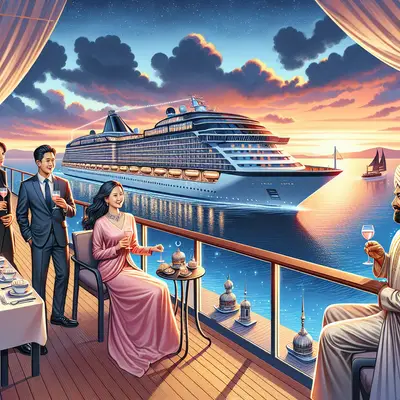
Guests in top suites are already being courted with private briefings from destination experts and cultural advisors—not as box‑ticking lectures, but as part of the pre‑arrival ritual. Think Champagne, canapés, and a 20‑minute, concierge‑level briefing on what not to livestream from shore, how local modesty codes actually work, and where photography crosses a line from admiration to offense. In circles where everyone has a personal butler and caviar service, knowing exactly how to navigate a place like Bali without misstep has become its own social currency. The most sophisticated guests are the ones whose travels leave no trace of friction—no viral clip, no whispered complaint, only genuine welcome for their return.
From Influencer Chaos to Curated Access: How Luxury Lines Are Rewriting Shore Time
The Bonnie Blue case is a stark reminder that “doing it for the content” can collide violently with local law. Luxury cruise operators have taken note. Several lines are quietly recalibrating how their guests experience ports that are tightening legal and cultural boundaries—think Indonesia, Dubai, Qatar, and certain conservative regions in the Indian Ocean.
Rather than dropping thousands of guests into port with vague advice and a return‑to‑ship time, high‑end lines are shifting toward fully curated, small‑group or private experiences that minimize legal gray areas. In Bali, that may mean private temple visits pre‑cleared with local councils, resort buyouts where photography is entirely acceptable, or yacht‑style tenders that bring you directly to vetted beach clubs where the dress code and behavior expectations are unambiguous. This doesn’t just protect the line—it protects you from becoming the unintended protagonist of the next global controversy. The true luxury here is not just exclusivity; it’s insulation from the chaos that less‑managed travel now routinely attracts.
The Rise of the “Ethical Itinerary”: Luxury Lines Betting on Respect Over Rebellion
The destination backlash you see in Bali’s headlines has been building for years: Venice’s cruise ship restrictions, Barcelona’s anti‑overtourism protests, and Thailand’s periodic shutdowns of over‑visited islands all reflect a similar tension. The Bonnie Blue story simply gives that tension a human face—and a clear consequence. Smart luxury brands are already on the other side of this shift, designing itineraries that allow their guests to feel indulgent without feeling extractive.
On a top‑tier Southeast Asia sailing in 2025, don’t be surprised if your most coveted experience isn’t the flashiest beach club, but an after‑hours temple illumination with local dance performances in Bali, arranged with community blessing and capped at a few dozen guests. Or a small‑boat cruise into a marine conservation area where your presence directly funds reef restoration. These aren’t performances of responsibility; they’re strategic investments. Lines know that their best guests now want receipts—proof that their rarefied experiences are not built on the discomfort or resentment of locals. The result is an “ethical itinerary” where every indulgence is balanced by consent and contribution, not apology.
Social Media, Soft Power, and the New Privacy Premium at Sea
The scandal in Bali is, at its core, a social media story: content filmed for an audience, tracked back to a location, triggering legal consequences in a country intent on defending its social norms. For luxury cruisers, this has reinforced something that high‑net‑worth travelers have felt building for years: privacy is no longer a perk; it’s a form of protection.
This is one reason ultra‑luxury and yacht‑style ships—think Ritz‑Carlton Yacht Collection, Scenic Eclipse, Emerald Azzurra, or SeaDream—are suddenly in such high demand for Southeast Asia and Indo‑Pacific routes. These vessels behave more like private clubs than floating resorts. Onboard, the Instagram impulse is gently muted by design: fewer public announcements, quieter spaces, staff trained to recognize when guests value invisibility more than attention. On shore, the line’s soft power with local partners means you can slip into world‑class restaurants, remote bays, or private villas with no fanfare—no public queue where cameras hover, no chaotic crowds to accidentally wander into your frame. In an era where one misjudged post can follow you across continents, that engineered anonymity has become one of the most powerful luxuries lines can sell.
When Law Becomes a Design Parameter: How Regulations Are Shaping the Next Generation of Luxury Itineraries
The potential 15‑year penalty Bonnie Blue faces in Bali is dramatic, but it’s not isolated. Around the world, legal frameworks are becoming more assertive where tourism, morality, and public space intersect. For the luxury cruise sector, these aren’t afterthoughts; they’re now baked into product design. The question in 2025 is no longer “Can we call at this port?” but “How do we design a call here that feels effortless despite increasing regulatory complexity?”
You’ll see the answer in subtle ways: itineraries that swap crowded, over‑filmed beaches for private island days operated under the cruise brand’s own legal and cultural standards; partnerships with hotels and clubs that provide controlled environments for celebration in destinations with strict public‑morality laws; shipboard enrichment that now includes not just wine tastings and art lectures, but concise, genuinely useful overviews of local legal red lines—particularly around photography, drones, and content creation. As regulations harden, the best lines are treating them not as obstacles but as design parameters, constructing experiences so meticulously that guests rarely feel the constraint, only the ease.
Conclusion
The headlines out of Bali this week may feel like tabloid fodder, but for discerning cruise travelers they serve as a quiet inflection point. The era of unfiltered, culturally oblivious hedonism in destination hotspots is closing; in its place, a more intelligent, choreographed, and ultimately more satisfying style of luxury is emerging. On the world’s finest ships, indulgence is no longer measured in how brazenly you can behave abroad, but in how seamlessly your pleasures align with the places that host you.
For those who understand this shift, the reward is immense: doors opened that never appear on mass‑market shore excursion lists, moments of beauty and privacy that never touch a public feed, and the deep, private satisfaction of traveling in a way that feels both elevated and welcome. In 2025, the most exclusive experience a cruise line can offer is simple: a voyage where every rule has already been anticipated, so you can glide through the world’s most complex destinations with absolute, unhurried grace.
Key Takeaway
The most important thing to remember from this article is that this information can change how you think about Luxury Cruises.