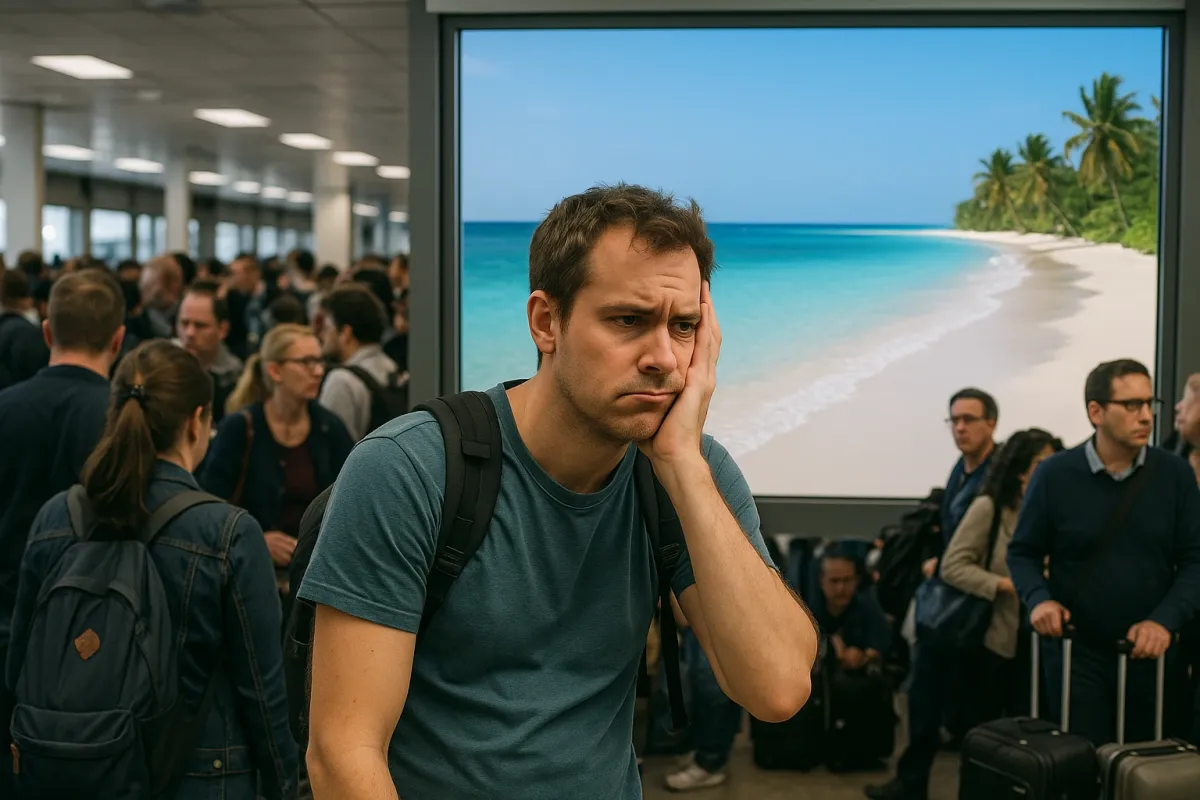
For many sophisticated travelers, the start of the festive season no longer evokes images of champagne toasts at 35,000 feet—it conjures the dread of serpentine security lines, crowded gates, and the “beautiful, chaotic ballet” of holiday air travel now dominating today’s headlines. As lifestyle outlets spotlight “gadgets” to survive airports and the soul‑crushing wait at TSA, an increasing number of discerning guests are making a different choice entirely: they’re trading the terminal for the pier, and the carry‑on stress for a curated stateroom wardrobe.
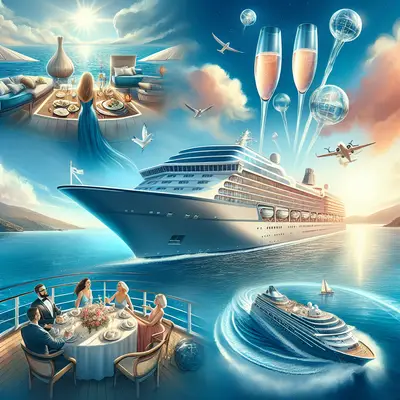
This shift is not theoretical. Premium lines such as Regent Seven Seas Cruises, Seabourn, Silversea, and Explora Journeys are reporting robust demand for festive sailings and shoulder‑season itineraries precisely because they offer what airports cannot: controlled serenity, spatial abundance, and a sense of ritual. In a world where travel feels more improvisational than ever, luxury cruises are emerging as the antidote to holiday chaos—an invitation to move slowly, elegantly, and with intention.
Below, five exclusive, timely insights into how the most elevated cruise experiences are quietly re‑engineering what it means to travel well in a season defined by rush.
1. Discreet Embarkation Is the New First‑Class Check‑In
While today’s trending articles dwell on the inevitability of long security lines and “primal screams” at overcrowded airports, top‑tier cruise brands are investing heavily in the opposite experience: a near‑frictionless arrival that feels more private club than port.
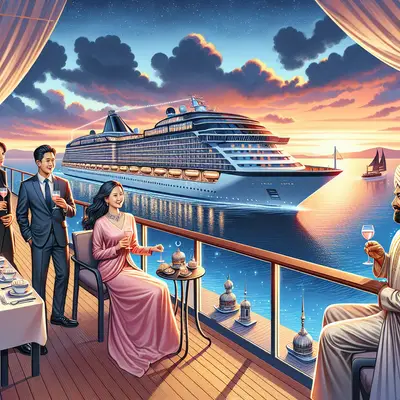
Regent Seven Seas Cruises has refined the art of staggered embarkation, inviting guests to arrive within curated windows, thus eliminating the herd effect so familiar at airports. Silversea’s ultra‑luxury ships deploy dedicated butlers and embarkation hosts who whisk guests from curb to suite with minimal queuing, often completing formalities in elegant lounges rather than fluorescent terminals. Explora Journeys, the new luxury entry backed by MSC Group, is experimenting with “house‑style arrivals,” where the tone is set with low lighting, live music, and a glass of something cold and sparkling, rather than a barked boarding call. At a moment when global travelers are turning to “gadgets” to tame the airport, luxury cruisers are choosing environments so considered that such coping tools feel unnecessary.
2. Wardrobe Over Gadgets: The Return of Sartorial Sea Travel
Today’s viral holiday‑prep lists fixate on tech accessories—noise‑canceling headphones, packing cubes, cable organizers. On board the highest tier of cruise lines, however, the true luxury currency is not what you charge, but what you wear. There is a quiet, notable return to sartorial standards at sea, especially on festive and grand‑voyage sailings.
Cunard’s Queen Mary 2, long a standard‑bearer for transatlantic elegance, has found its formal nights newly coveted by younger, style‑savvy travelers who see black tie not as obligation, but as performance. Seabourn’s “elegant casual” evenings are increasingly interpreted as an opportunity for guests to showcase independent designers, bespoke tailoring, and heirloom jewelry that feels out of place in an airport lounge. Even lines with a more contemporary aesthetic, such as Explora Journeys, encourage a resort‑chic approach that replaces the tech‑heavy, utilitarian airport look with linen, silk, and quietly luxurious accessories. Where land‑based travel content today urges you to optimize your backpack, luxury cruise culture is gently inviting you to refine your wardrobe—and with it, your entire approach to movement.
3. Time as the Ultimate Amenity in a Season of Delay
Headlines this week warn of “holiday chaos” and the near inevitability of delays, missed connections, and frenzied rebookings. Luxury cruises, by design, invert this anxiety. Once on board, you are no longer racing to protect your itinerary; the itinerary has been constructed to protect you.
Silversea’s extended overnight calls in ports like Lisbon, Reykjavik, and Cape Town are designed with buffer time that cushions against weather and operational issues while still delivering deeply immersive experiences ashore. Regent’s all‑inclusive model—encompassing flights on select sailings, transfers, and excursions—reduces the number of independent bookings a guest must manage, limiting exposure to the domino effect of disruption. Seabourn’s expedition ships in Antarctica and the Arctic build in flexible “wildcard days,” allowing the captain to shift landings for wildlife, ice, or weather without compromising the integrity of the voyage. In a moment when social feeds are filled with images of stranded passengers at gate C27, the true luxury at sea is the sense that time has become spacious again—structured, yes, but never weaponized against you.
4. Quiet Wellness Versus Survival Mode
As online guides urge travelers to “survive” holiday journeys with neck pillows and melatonin gummies, luxury cruise lines are curating something more ambitious: wellness programs that restore the nervous system rather than merely sedate it.
On Explora Journeys, the Ocean Wellness program integrates biophilic design, thermal experiences, and curated sleep rituals; guests can move from a jet‑lag recovery session to a sound bath, then return to suites equipped with blackout shades, pillow menus, and thoughtful turndown elements that rival top city hotels. Seabourn and Silversea, meanwhile, are partnering with leading spa and skincare brands to offer multi‑day wellness journeys—from mindful movement at sunrise on deck to nutrition‑forward tasting menus developed in collaboration with acclaimed chefs. The focus is shifting from “how to get through the trip” to “how to feel better at the end of the journey than at the beginning,” a repositioning that feels especially relevant as this season’s travel conversations veer ever more toward crisis management.
5. The New Social Currency: Stories Worth Leaving the Feed For
The travel gadget lists dominating today’s feeds are, ultimately, about making screen time more tolerable—better headphones for streaming, extra chargers, improved tablet stands. Luxury cruises, conversely, are becoming laboratories for experiences that are fundamentally richer in person than on a phone, a crucial distinction in an era of digital fatigue.
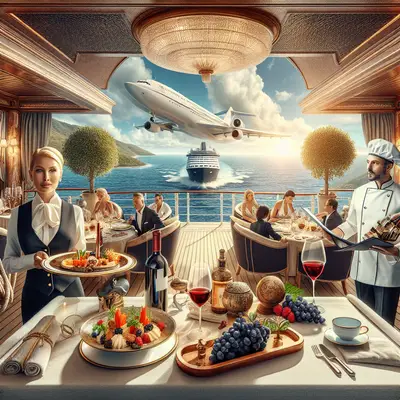
Consider the intimate, chef‑hosted dinners now standard in the top suites on lines like Regent and Seabourn, where menus can be tailored to a guest’s personal culinary history: a course inspired by a grandmother’s recipe, a wine flight tracing the guest’s own travels. Or the small‑group, after‑hours museum visits arranged in marquee ports—walking through St. Mark’s Basilica or the Hermitage with only a handful of fellow guests, followed by a moonlit tender ride back to the ship. Explorers on Silversea’s expedition voyages can still recount the electric silence that follows the first sighting of a breaching whale against a polar sunset, a moment that simply refuses to be compressed into a 15‑second clip. These are experiences you might ultimately share online, yes—but their real power lies in reminding you why you left your screen behind in the first place.
Conclusion
As media outlets lean into the annual narrative of holiday travel turmoil—gadgets to buy, lines to endure, coping strategies to attempt—an alternate storyline is quietly unfolding at sea. For those willing to reimagine how they move through the world, luxury cruises now offer a rare trinity: the logistical calm airports lack, the aesthetic refinement hotels rarely sustain for days on end, and the kind of lived experiences that make social media feel like a pale echo rather than a primary stage.
In a season defined by hurry, the most modern decision you can make may be the most timeless one: skip the chaos, step aboard, and let the ocean dictate the pace.
Key Takeaway
The most important thing to remember from this article is that this information can change how you think about Luxury Cruises.