Every exceptional voyage begins long before the first champagne flute is poured. For the discerning traveler, a luxury cruise is not merely transportation but a mobile world—curated, choreographed, and quietly orchestrated to feel effortless. Beyond the glossy brochures and familiar talking points lies a more nuanced reality: subtle decisions, hidden spaces, and unspoken privileges that define the difference between a pleasant sailing and a truly distinguished one.
Below, we explore five exclusive insights that seasoned cruise connoisseurs quietly rely on—those understated details that shape how the most refined guests experience life at sea.
The Architecture of Privacy: Choosing the “Right Quiet” On Board
On a luxury ship, privacy is not a happy accident; it is an architecture of choices. Where your suite sits within that design matters more than many guests realize. Savvy cruisers study deck plans the way others study wine lists, scanning for what lies above, below, and adjacent to their intended haven.
The most desirable suites usually sit in “buffered” zones: sandwiched between other guest decks rather than directly beneath a pool, a lounge, or the galley. This reduces ambient noise from foot traffic, late-night music, and the soft but persistent hum of housekeeping. Forward-facing suites can offer cinematic arrivals into port, while aft-facing options reward you with a private panorama of the ship’s wake and lingering sunsets—though they may catch slightly more movement in heavier seas.
On ultra-luxury lines, “ship within a ship” concepts or all-suite decks offer an additional layer of exclusivity: private lounges, dedicated terraces, and discrete concierge desks that absorb the administrative friction of travel. The most astute guests look beyond square footage and notice the choreography of privacy—how many suites share a corridor, where stairwells empty, where public spaces “spill” into guest areas. The goal is simple: to secure a retreat that feels serenely apart yet never inconveniently distant.
The Invisible Concierge: Orchestrating Bespoke Experiences Before You Sail
For the most refined travelers, the voyage starts weeks—often months—before embarkation. The true luxury is not simply what exists on board, but how personally it can be tailored in advance. This is where elite cruise concierges and dedicated pre-cruise planners quietly come into their own.
On top-tier lines, pre-cruise teams can coordinate everything from preferred cabin temperatures and pillow types to curated in-suite bar setups, advance reservations at specialty restaurants, and private shore experiences designed around deeply personal interests—architecture, antiques, vineyard visits, contemporary art, or even niche sports. The most seasoned guests do not wait for embarkation to express preferences; they collaborate with the cruise line early, giving staff the time to align details across departments.
This “invisible concierge” effect is heightened when guests work with specialized travel advisors who maintain close relationships with luxury cruise brands. Such advisors often secure value-add elements—complimentary shipboard credit, priority waitlist clearances, or access to invitation-only events on board. The real privilege, however, lies in consistency: the way a cruise line can remember your habits from sailing to sailing—how you take your morning coffee, your preferred spa therapist, or your tendency to book late-afternoon shore returns. In luxury cruising, memory is a service in itself.
The Quiet Economy of Time: Navigating Embarkation, Ports, and Sea Days
For the experienced luxury cruiser, time—not space—is the rarest commodity. While most guests think in terms of itineraries and ports, the connoisseur thinks in terms of temporal choreography: when to move, when to linger, when to recede.
Embarkation day, for example, is often treated as a logistical hurdle. The refined guest sees it as an early opportunity to reclaim the ship before it fully wakes. Early boarding windows (secured through suite status, loyalty tiers, or invitation-only check-in) offer time to explore public rooms at their most serene, meet key staff on quieter terms, and settle into the suite before the main arrival rush.
In port, time is managed with similar precision. Rather than racing through full-day group excursions, many opt for shorter, intensely focused private tours in the early morning or late afternoon, returning to the ship during midday when cities are crowded and the ship’s prime spaces—spa, pool, specialty lunch venues—are surprisingly tranquil. On sea days, they often invert the crowd pattern: breakfast earlier or later than the rush, lunch just before closing when restaurants fall hushed, and spa bookings during popular lecture or show times.
The goal is not to avoid other guests, but to move just slightly out of sync with the ship’s main rhythm. This subtle time-shifting preserves the sense that the ship is quietly yours, even when sailing at full capacity.
The Curated Palate: Beyond the Obvious in Onboard Dining and Wine
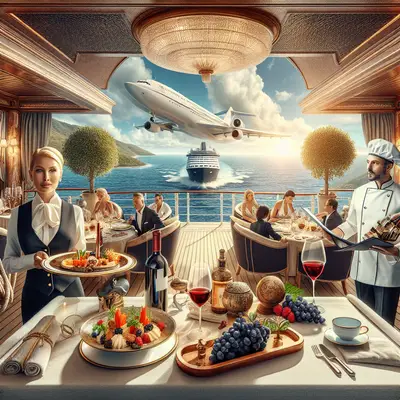
Aboard a true luxury vessel, dining is no longer simply “fine”—it is narrative. Menus are designed not only to impress but to reflect destination, season, and the chef’s own creative arc. The most discerning guests, however, look beyond the headlining restaurants and begin to ask more precise questions: Who is the chef consultant? Which ports influence the week’s menus? How are local ingredients incorporated after each call?
An often-overlooked dimension lies in off-menu possibilities. On smaller, high-end lines, adept guests cultivate a relationship with the maître d’ and sommelier early in the voyage, signaling preferences gently but clearly—lighter lunches, specific spice tolerances, interest in regional seafood, or curiosity about natural wines, vintage Champagne, or lesser-known producers. Over the days that follow, this rapport often yields subtle privileges: a bespoke tasting menu for two, carefully sequenced wine flights, or simple dishes prepared with extraordinary delicacy.
Even buffet or casual venues on luxury ships often conceal elevated options for those who know to ask: made-to-order stations, custom salads, or regionally inspired dishes that never reach printed menus. Similarly, wine cellars often carry rare or limited allocations not immediately listed, available to guests who initiate deeper conversation with the sommelier. For the refined cruiser, dining becomes less about abundance and more about intention—a dialogue between guest and culinary team rather than a parade of plates.
The Subtle Power of Relationships: Staff, Captains, and Fellow Travelers
The most exclusive element of modern luxury cruising is not always its hardware—suites, spas, or pools—but its human fabric. On smaller and ultra-luxury lines, the ratio of staff to guests allows for something rare in contemporary travel: genuine recognition. Seasoned cruisers understand that the emotional architecture of a voyage is built not only by service, but by relationships.
A respectful, warm connection with your butler, stateroom attendant, and favorite waitstaff unlocks an ease you cannot buy outright: thoughtful surprises, beautifully timed in-suite canapés, discreet handling of preferences, and anticipatory touches that make the ship feel like a private residence. These relationships are never transactional; they are grounded in courtesy, consistency, and sincere engagement.
Equally important is the quiet network of fellow passengers. On luxury itineraries—particularly longer voyages and world cruises—a subtle community forms among like-minded travelers who value discretion as much as conversation. Encounters at afternoon tea, pre-dinner cocktails, or enrichment lectures often lead to long-term friendships and recurring reunions on future sailings. Those who return regularly to the same line find themselves recognized not only by staff but by other guests, creating a club-like atmosphere that is both rarefied and unforced.
At the apex of this human ecosystem stands the captain and senior officers. On some luxury lines, they are notably visible—hosting small cocktail gatherings, leading Q&A sessions, or even escorting bridge tours for a select group. Cultivating a respectful rapport with this leadership—not for spectacle, but for genuine interest—adds a deeper layer of connection to the vessel itself. When you understand the ship’s personality through its people, every crossing feels more intimate, more grounded, more entirely your own.
Conclusion
Luxury cruising at its highest level is not about spectacle, but about calibration: privacy chosen with intent, time structured with grace, dining elevated through dialogue, and relationships nurtured with quiet respect. For those who look beyond overt opulence, the true privilege lies in how seamlessly a voyage can be tailored to your rhythms, your curiosities, and your sense of what it means to feel genuinely at ease at sea.
The most seasoned cruise enthusiasts know that the finest experiences are rarely advertised in bold lettering. They unfold in the unspoken details: the way a favorite table seems always to appear just when you desire it, the stillness of a well-chosen suite, the exact wine you were about to ask for arriving unprompted. In those small, perfectly timed moments, the ship stops being a vessel—and becomes, for a fleeting, exquisite while, your private world afloat.
Sources
- U.S. Federal Maritime Commission – Cruises & Passenger Ships – Overview of consumer protections and considerations for cruise passengers
- CLIA (Cruise Lines International Association) – 2024 State of the Cruise Industry – Industry data on trends in cruise travel and premium segments
- Regent Seven Seas Cruises – Luxury Experience Overview – Example of ultra-luxury cruise positioning, services, and amenities
- Seabourn – Onboard Experience – Insight into small-ship luxury operations, service ratios, and curated experiences
- Harvard Business Review – The Elements of Value – Framework for understanding how luxury services deliver emotional and experiential value to guests
Key Takeaway
The most important thing to remember from this article is that this information can change how you think about Luxury Cruises.