There are coastal cities that many travelers think they know—until they arrive by sea. From the vantage point of a ship’s teak deck, familiar skylines become stage sets, harbors feel like grand foyers, and waterfronts reveal stories that airport arrivals never glimpse. For refined cruisers, the true pleasure lies not only in where the ship docks, but in how a destination unfolds when approached with time, intention, and a sense of quiet curiosity.
This is a guide to coastal cities that offer a different caliber of experience when discovered by cruise, along with five exclusive insights that discerning cruise enthusiasts can use to unlock a more sophisticated, less obvious side of each port.
The Harbor as Prologue: Reading a City from the Water
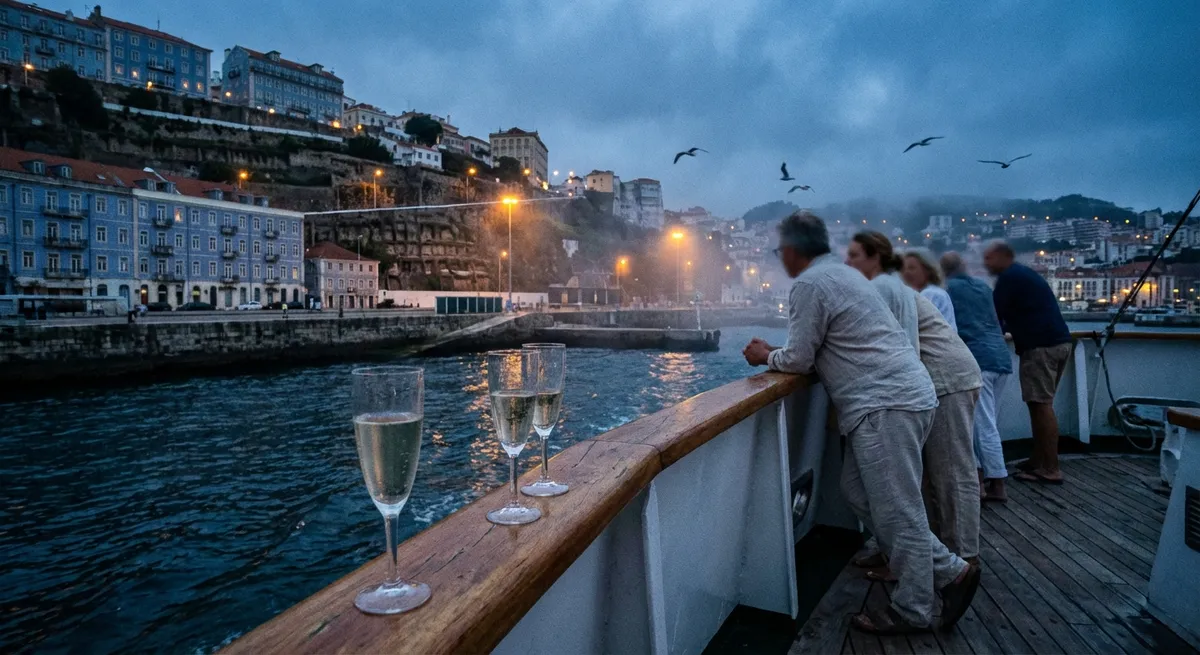
The first approach to a port is more than a photo opportunity—it is a subtle orientation to a city’s history, economy, and rhythm of life. Cruisers who pay attention during this short window can glean a surprising amount before stepping ashore.
In cities like Lisbon, Sydney, and Vancouver, the harbor is a living index of the place itself. The architecture that lines the waterfront often charts a timeline: fortified walls giving way to 19th-century warehouses, then to glass-fronted cultural centers and design-forward hotels. Watching this gradient in real time offers a preview of how the city has evolved and where its energy now resides.
The choreography of local traffic also speaks volumes. A working harbor with tugboats, ferries, and fishing vessels signals a port still deeply bound to maritime trades. In contrast, a waterfront dominated by marinas and leisure craft points to a city in conversation with lifestyle and tourism. Attuned cruisers learn to treat this as their first, uncurated city tour—one that hints at the cafés, boutiques, and neighborhoods most worth seeking out later.
Exclusive Insight #1: The “Harbor Hour” Ritual
For your next sailing into a marquee city, treat the final 60–90 minutes before docking as a deliberate ritual. Be on deck with a simple checklist: skyline evolution (old to new), waterfront usage (working vs. leisure), and anchor landmarks (bridges, towers, river mouths). Note three visual cues that intrigue you—an unexpected park, a historic pier, a hilltop fort—and, once ashore, orient your day around getting physically closer to those very points. This small habit turns a passive sail-in into a tailored, instinctive city plan.
Lisbon: Where River Light and Old Empires Converge
Lisbon is one of Europe’s most rewarding cities to enter by ship. Gliding up the Tagus River, your ship effectively retraces the path of caravels that departed here for India and Brazil. Unlike an airport arrival, this nautical approach places you immediately in dialogue with the city’s maritime heritage: the Belém Tower standing sentinel, the Monument to the Discoveries leaning out toward the Atlantic, the 25 de Abril Bridge stretching overhead like a crimson ribbon.
The waterfront today is a carefully curated promenade of museums, concert halls, and open-air terraces that soften the city’s historic gravitas. Cruise passengers who simply follow the crowd up to the Alfama district will indeed be rewarded by classic viewpoints and tiled alleyways. However, those seeking a more elevated experience should treat the river not as boundary, but as axis.
Staying close to the riverside between Praça do Comércio and the MAAT (Museum of Art, Architecture and Technology) reveals a subtle continuum of old empire and contemporary culture. It is here that Lisbon’s recent renaissance in design, cuisine, and public space becomes most apparent, well beyond the postcard tram rides.
Exclusive Insight #2: The Reverse-Flow Stroll
Instead of joining the inland surge toward the city’s hills the moment you disembark, take the opposite direction first—downriver, toward Belém. Even a partial stroll or short tram ride along the waterfront uncovers local cafés, modern architectural gems, and less-touristed gardens. By walking “against” the initial flow, you front-load your day with quieter, more authentic encounters before joining the classic viewpoints later in the afternoon, once peak crowds have thinned.
Sydney: An Opera House, a Bridge, and the Spaces Between
Few cities make a more theatrical entrance than Sydney. Arriving by water, your ship slips past headlands and harbor inlets until the Opera House and Harbour Bridge materialize in quick succession—an urban crescendo that’s difficult to replicate by any other means of arrival. Yet for the seasoned cruiser, the spectacle is only the overture.
What elevates Sydney for discerning travelers is not the well-known icons themselves, but how they connect to the neighborhoods that encircle the harbor. A short ferry ride in any direction can shift your perspective from landmark-gazing to almost-local living. Balmain, Kirribilli, and Watsons Bay each offer distinct atmospheres, from heritage pub culture to tranquil harborside walks, with views that invert the standard tourist gaze: the city seen from the water’s calm fringes.
For cruise enthusiasts, Sydney rewards those who treat the harbor network as an extension of their ship—smaller vessels, yes, but similarly oriented toward the water’s edge and the luxury of time.
Exclusive Insight #3: The “Secondary Icon” Approach
Rather than centering your entire call around the Opera House and the Bridge, select one “secondary icon” that matters more to locals than to first-time tourists: the Royal Botanic Garden, a harborside pool (like North Sydney Olympic Pool), or a neighborhood ferry terminal. Build your day around that anchor instead. Visit early, linger, and then loop back to the headline sights toward the end of your call. This inversion yields more relaxed, spacious encounters with the city’s most famous landmarks—and better photography light to match.
Vancouver: The Pacific Threshold to Wilderness and Culture
Vancouver is a city that resonates particularly well with cruise travelers, not least because it often serves as the prelude or epilogue to Alaska itineraries. Docked at Canada Place, ships sit at a confluence: snow-tipped mountains, Stanley Park’s green expanse, and a downtown skyline that feels curated more for livability than spectacle.
Unlike some ports where the cruise terminal is an inconvenient remove from the city’s soul, Vancouver’s waterfront is an immediate invitation. Within minutes, one can transition from urban architecture to seawall paths and forested trails. For sophisticated cruisers, the appeal lies in layering experiences: gallery visits with local Indigenous art, elevated Pacific Northwest dining, and gentle outdoor excursions that harmonize rather than exhaust.
The city’s character becomes clearest where land and water intersect: the seawall around Coal Harbour, the floatplanes rising off the water toward remote inlets, the quiet coves of Stanley Park where city noise dissolves. A day in port here is best treated not as a frenetic checklist, but as a curated reconnection with scale, nature, and modern design.
Exclusive Insight #4: Curated “Two-Scale” Day
Divide your time into two deliberate scales: macro and micro. For macro, start or end at an elevated vantage point—such as the Vancouver Lookout or a Stanley Park viewpoint—to absorb the full mountain–harbor–city tableau. For micro, reserve a dedicated window for an intimate experience: a focused gallery visit, a single serious coffee bar, or a quiet harborfront bench with a book and a view of the seaplanes. The contrast between sweeping panorama and richly detailed moment is where Vancouver’s understated luxury reveals itself.
Valletta and Beyond: Smaller Harbors with Grand Presence
If megacities offer theatrical harbor approaches, smaller historic ports like Valletta in Malta deliver something more operatic and concentrated. Sailing into the Grand Harbour, surrounded by honey-colored bastions and fortified walls, feels less like arriving at a contemporary capital and more like entering a carefully preserved stage set of Mediterranean power and intrigue.
Here, the city and the harbor are inseparable. Valletta’s grid of narrow streets rises directly from the quayside, and the watchtowers, breakwaters, and coves around the entrance still bear the visual language of siege and defense. Unlike ports where the cruise terminal is an annex to urban life, Valletta’s waterfront is the prologue to its baroque churches, auberges, and quiet side streets where wooden balconies glow in late afternoon light.
Smaller harbors across the Mediterranean and Adriatic share this intensity in miniature: Kotor, Dubrovnik, Nafplio, and others each transform as you cross the threshold from sea to stone. For discerning travelers, these ports invite a slower pace, where one lingers in shadowed lanes, watches harbor traffic from a café terrace, and senses how centuries of arrivals have shaped local ritual and rhythm.
Exclusive Insight #5: The “Harbor Echo” Rule
In ports where the historic center is closely married to the harbor, identify one place within the old town where you can still see or sense the sea—a bastion terrace, a café balcony, a church square with a glimpse of masts. Spend unhurried time there. These “harbor echoes” within the city tend to attract a more balanced mix of residents and visitors, and they preserve that subtle awareness of being in a port, not just a pretty town. It’s in these vantage points that the romance of arrival by ship remains fully intact.
Conclusion
Cruise travel, at its most refined, is not a race between ports but a thoughtful dialogue with the cities and coastlines that receive you. Approaching a destination by sea offers clues—architectural, cultural, and emotional—that air travel tends to flatten. For cruise enthusiasts willing to observe, invert the standard flow of sightseeing, and seek out both grand vistas and intimate “harbor echoes,” coastal cities like Lisbon, Sydney, Vancouver, and Valletta reveal depths that reward many returns.
The ship is only the beginning. The true luxury lies in learning to read each harbor as a prologue, then writing your own chapter ashore with a quieter, more intentional hand.
Sources
- Visit Lisboa – Official Tourism Board - Official information on Lisbon’s waterfront districts, cultural sites, and riverfront attractions
- Sydney.com – Destination NSW - Comprehensive guide to Sydney’s harbor, neighborhoods, and ferry-connected experiences
- Tourism Vancouver (Destination Vancouver) - Official insights on Vancouver’s waterfront, Stanley Park, and cultural offerings
- Heritage Malta – Valletta and the Grand Harbour - Background on Valletta’s fortified harbor, baroque cityscape, and maritime history
- UNESCO World Heritage Centre – City of Valletta - Overview of Valletta’s World Heritage status and its cultural and architectural significance
Key Takeaway
The most important thing to remember from this article is that this information can change how you think about Destinations.