Some ports reward a checklist; others reward patience. For the discerning cruiser, the most memorable destinations are rarely the ones conquered in a hurried afternoon dash, but those that deepen after sunset—the harbors whose true character emerges when the last tour bus pulls away and the harbor lights begin to shimmer. This is the realm of night markets and late-opening galleries, of discreet rooftop terraces and unadvertised local rituals. For guests who prize nuance over noise, these ports can transform a voyage from pleasurable to quietly unforgettable.
Below, we explore how to recognize and savor these evening-rich destinations—along with five exclusive insights that seasoned cruise enthusiasts quietly trade among themselves when planning truly refined itineraries.
When the Harbor Becomes a Salon: Ports Designed for Evening Discovery
Not all ports are created equal once the sun goes down. Some are primarily daytime excursions, emptying as commuters head home. Others, however, slip smoothly into an entirely different tempo at dusk, becoming, in essence, open-air salons for the city’s most intriguing conversations, flavors, and cultural rituals.
Historic Mediterranean harbors—think Venice, Dubrovnik, or Valletta—take on an almost theatrical glow after dusk. Their stone ramparts and marina-side promenades become backdrops for strolling locals, candlelit terraces, and spontaneous music. Northern capitals such as Copenhagen or Stockholm, in summer, offer long, languid “white nights” where waterfront neighborhoods feel like well-kept secrets shared only between residents and those cruise guests who chose to linger late ashore. In Asia, cities like Hong Kong and Singapore orchestrate the harbor itself into an evening spectacle of light and reflection, best appreciated from both ship and shore.
Recognizing these evening-centric ports—and noting whether your itinerary includes late departures or overnight stays—allows you to elevate a visit from “seen” to “experienced.” It’s not simply about nightlife; it’s about witnessing how a destination behaves when it believes the day’s visitors have gone home.
Curated Evenings Ashore: How to Read an Itinerary Like an Insider
To the untrained eye, a list of ports and times is purely logistical. To the experienced cruiser, it is a coded message revealing which destinations the line considers worthy of deeper, unhurried immersion. Long pier times, twilight departures, and overnights are not administrative accidents; they are editorial choices.
A late-evening departure from a city like Lisbon, for example, opens the door to an early dinner in the Bairro Alto or a sunset drink on one of the city’s miradouros overlooking the Tagus. An overnight in Quebec City allows you to wander cobblestone streets after the day visitors have gone, when the Old Town falls into a hushed, candlelit grace that feels borrowed from another century. In Japan, a late stay in Kobe doesn’t just mean more time ashore; it can mean a rare opportunity to experience an intimate local izakaya or a contemplative evening stroll through a lantern-lit garden.
Look for itineraries that explicitly note overnight stays or departures past 10 p.m. in cities known for their cultural depth rather than solely for beach or shopping appeal. These are the voyages that respect your curiosity and build in the space for serendipity. For the traveler who values sophistication over spectacle, such timing is not a footnote—it is the quiet luxury that defines the entire experience.
Five Subtle Insights Seasoned Cruisers Use to Choose Evening-Rich Ports
Behind refined cruise choices lies a quiet layer of intelligence—small, strategic observations that seasoned travelers use to unlock more meaningful experiences. These five insights are rarely printed in brochures, yet they often determine which ports become lifelong favorites.
1. Follow the Locals’ Evening Rituals, Not the Tourist Brochures
Destinations with a strong evening culture among residents—paseo in Spain, passeggiata in Italy, hanami and festival nights in Japan—tend to offer the richest after-dusk experiences for visitors. In ports like Barcelona or Naples, evening is when families take to the waterfront, cafés hum with conversation, and markets or tapas bars reach their most authentic rhythm.
Rather than asking “What is there to do at night?” ask, “Where do locals naturally gather after work?” In Rio de Janeiro, for instance, that might mean a neighborhood botequim serving perfectly cold beer and simple, impeccably made snacks. In Athens, it may be a rooftop bar with Acropolis views where Athenians themselves relish the cooler evening air. Following local rituals instead of curated “nightlife” lists yields experiences that feel intimate rather than performative.
2. Prioritize Ports Whose Icons Are Transformed After Dark
Some cities are handsome by day but transcendent by night. Ports where signature landmarks are dramatically illuminated or recontextualized after dusk reward repeat viewing and extended stays. Consider Hong Kong’s Symphony of Lights, best admired from both a harborfront promenade and the deck of your ship, or Singapore’s Gardens by the Bay, where the Supertrees’ evening light displays feel almost otherworldly.
Similarly, sailing away from Sydney as the Opera House and Harbour Bridge glow against the night sky is entirely distinct from any daytime harbor tour. In such ports, a late departure is not merely convenient; it’s essential. When reviewing itineraries, note whether your call aligns with evening events or illuminations that locals themselves seek out—you are not simply buying time, but access to a second, more atmospheric version of the city.
3. Seek Ports Where the Culinary Conversation Peaks at Night
For gastronomically inclined travelers, the most rewarding ports are often those whose culinary culture flourishes after dark. In many cities, serious dining begins late enough that a 5 or 6 p.m. all-aboard time renders their best tables inaccessible. By contrast, a late departure from a port such as Marseille, Bordeaux (via Le Verdon or Bordeaux itself), or San Sebastián (via nearby ports) allows you to dine in the way locals do, not as an early-bird exception.
In Asia, evening hawker centers in Singapore or night markets in Taipei and Kaohsiung unveil layers of flavor and ritual that barely register at midday. These are not mere snacks but social institutions, where line length and stall reputation function as a living, evolving guidebook. Ports that enable such experiences—ideally with enough buffer to dine without glancing constantly at your watch—offer a depth of cultural understanding no daytime tasting tour can replicate.
4. Treat Harbors with Dual Personalities as Hidden Gems
Some destinations reveal one face by day and another entirely after sunset. Fjord gateways like Bergen, for example, can feel brisk and practical under midday light, yet enchantingly intimate as the harbor twinkles in the evening and locals linger in waterfront restaurants. Similarly, smaller Adriatic ports can shift from “postcard pretty” in daylight to quietly romantic once the last tender departs for competing ships and the streets fall partially back to their residents.
These dual-personality ports tend to be at their most magical in the shoulder seasons, when warm evenings are still possible but crowds have thinned. A city like Dubrovnik in high summer can feel saturated during the day; at night in late spring or autumn, with far fewer visitors, the same streets can seem almost private—especially if your ship schedules a late departure that allows you to walk the ramparts or sip wine on a discreet terrace under the stars.
5. Consider the Port’s Access to “Second-Level” Neighborhoods After Dark
Truly sophisticated port calls go beyond the waterfront postcard and into the neighborhoods where locals actually live, dine, and unwind. Cities with efficient, safe evening transport—reliable metro systems, well-lit tram lines, or plentiful licensed taxis—allow you to explore these second-level districts without anxiety about returning to the ship.
In ports like Copenhagen, this might mean slipping away to a canal-side bar in Christianshavn or a refined restaurant in Vesterbro; in Tokyo (via Yokohama), it could be an evening spent in an understated Ginza cocktail bar or walking through Shimbashi’s lantern-lit salaryman alleys. The key question is not only, “Is this port interesting?” but “Does the city’s infrastructure allow me to explore with confidence after dark and still return gracefully to the harbor?” When the answer is yes, a late stay becomes an invitation to discover the city as residents truly experience it.
Designing a Voyage Around Evening-Rich Ports
Once you begin to see destinations through the prism of their after-dark personalities, itinerary planning becomes more deliberate and more rewarding. Rather than focusing solely on marquee names, you start to prioritize ports that offer a sophisticated interplay between ship and shore—afternoons of discovery, evenings of immersion, and late-night returns to a vessel that feels like a perfectly appointed private club.
Consider building a journey that threads together multiple evening-centric ports: perhaps a Mediterranean itinerary that lingers in Lisbon, Barcelona, and Valletta; a Northern route where Copenhagen, Stockholm, and Tallinn are offered with late departures in the long-light months; or an Asian sailing where Singapore, Hong Kong, and select Japanese ports are framed with generous overnight or late-evening stays. In each case, the value of the voyage lies not only in where you go, but how long you are allowed to enjoy each place once its daily performance ends.
Ultimately, the most memorable ports are not just those you can see from your balcony, but those you can inhabit—if only for a few stolen hours—as the city relaxes into its own evening rituals.
Conclusion
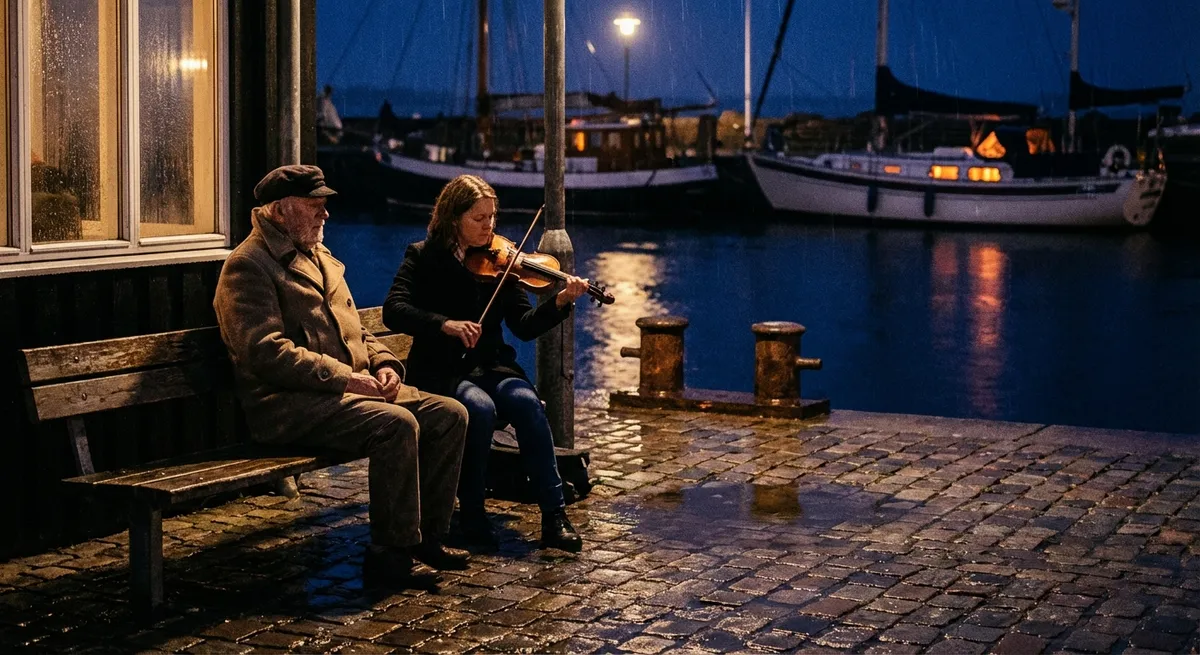
For the traveler who values subtlety over spectacle, evening-rich ports offer a powerful quiet luxury: the chance to witness a destination after it has exhaled. They are cities and harbors that invite you not merely to arrive, but to linger—on a lantern-lit quay, at a table where locals greet the waiter by name, or on the open deck of your ship as the shoreline becomes a constellation of lights.
By reading itineraries as carefully as one might read a wine list, and by favoring journeys that respect the depth of a place after dark, you transform a cruise from a sequence of stops into a curated suite of experiences. In these twilight hours, when the crowds have thinned and the harbor softens into reflection, you discover not just where you have traveled, but how you prefer to journey: unhurried, observant, and always attuned to the quiet moments when a port reveals its soul.
Sources
- U.S. Department of State – Country Information - Offers official guidance on safety, local customs, and transportation considerations in cruise destinations, including after-dark movement.
- UNESCO World Heritage Centre - Authoritative information on historic city centers and cultural sites frequently featured on cruise itineraries, many of which transform dramatically at night.
- Hong Kong Tourism Board – A Symphony of Lights - Details on one of the world’s most renowned harbor light shows, illustrating the unique value of evening port stays.
- Singapore Tourism Board – Gardens by the Bay - Official overview of a major attraction whose character notably changes after dark, underscoring the importance of late departures.
- Copenhagen Tourism – Nightlife & Evening Experiences - Insight into how a Northern European capital’s waterfront and neighborhoods come alive in the evening, exemplifying evening-rich ports.
Key Takeaway
The most important thing to remember from this article is that this information can change how you think about Destinations.