There are ports you visit, and ports you come to know. For the refined cruiser, the difference lies in the details: how you arrive, when you step ashore, and which doors you choose to open. Beyond the headline attractions and well-worn shore excursions, certain coastal cities reveal quieter layers of personality—culinary, architectural, and cultural dimensions that only emerge for travelers willing to look a little closer. This is an exploration of destinations that reward discernment, and five exclusive insights that transform familiar ports into genuinely exceptional experiences.
Reading a Port Like a Connoisseur
To travel well by sea is to understand that a port is more than a stop; it is a living threshold between ocean and city. The way you enter and exit sets the tone for your time ashore. Some harbors, like those of Valletta or Sydney, are best appreciated from the upper decks at dawn, when the skyline softens and maritime history is written in layers of stone, steel, and glass. Others reveal themselves in reverse, best admired at sailaway when the city lights sketch a final portrait against the horizon. Those who pay attention to harbor geography—prevailing winds, sun angles, and traffic patterns—often gain quieter corners of the ship from which to observe.
A connoisseur’s approach also means understanding why ships dock where they do. Commercial ports, historic quays, and tender-only anchorages each dictate a different rhythm to the day. Knowing this allows you to time your disembarkation not by when the gangway drops, but by when the city feels ready to receive you. In some destinations, that may mean letting the first wave of crowds depart, then stepping ashore when cafés have settled and streets have exhaled.
Destinations with Layers: Ports That Reward a Second Look
Certain ports—often dismissed as “turnaround cities” or merely convenient gateways—hold remarkable depth for travelers who linger. Barcelona, for instance, is easily reduced to Gaudí and Las Ramblas, yet its maritime soul lies in the interplay between the historic fishing quarter of Barceloneta, the rationalist grid of Eixample, and the hillside silence of Montjuïc. Similarly, Hong Kong is more than its skyline; its true maritime character is experienced from the water, viewing the city as sailors have for generations, with routes that thread between outlying islands and working harbors.
Elsewhere, refined cruisers increasingly gravitate to ports that balance vibrancy with composure. In northern Europe, cities like Copenhagen and Hamburg have polished their waterfronts into carefully curated encounters with design, gastronomy, and urban planning. In the Mediterranean, smaller yet culturally dense ports—think Porto, Trieste, or Málaga—quietly surpass more famous neighbors for those who value authenticity over spectacle. The common thread is depth: a city that rewards your second, third, and fourth visit with new discoveries each time.
Five Exclusive Insights for the Attentive Cruise Enthusiast
1. Arrive One Tide Early: The Power of the Pre-Cruise Night
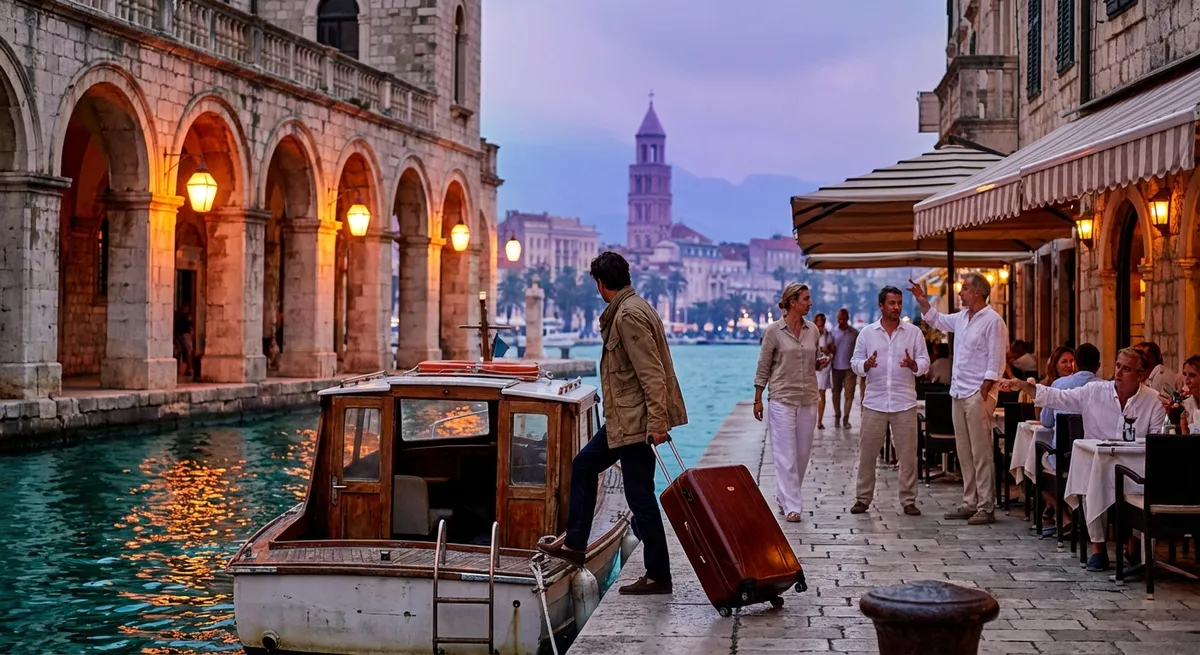
Sophisticated cruisers increasingly treat the embarkation city as a destination in its own right, arriving at least a day early not simply to “buffer” against flight delays, but to attune themselves to the local tempo. This pre-cruise stay is most rewarding when you choose a hotel that mirrors the character of the port: a restored palazzo in Venice, a design-forward waterfront property in Copenhagen, or a heritage building near the Singapore River.
Arriving early allows you to explore the harbor area at leisure—observing ferry patterns, local promenades, and how residents use their waterfront. It’s the difference between rushing to the terminal and understanding where, exactly, your ship sits in the city’s story. Savvy travelers also use this time to identify one or two singular experiences—a small gallery, a chef-driven restaurant, a local wine bar—so that the journey begins with a sense of accomplishment rather than mere logistics.
2. Identify the “Second District”: Where Locals Actually Live Well
In many cruise ports, the most compelling experiences lie just beyond the obvious historic center. The refined approach is to locate the “second district”—not the tourist quarter, but the neighborhood where the city’s own professionals, creatives, and families curate their daily lives. In Lisbon, that might be Príncipe Real rather than the crowded lanes of Baixa; in Athens, Mets or Pangrati instead of staying only within sight of the Acropolis; in Marseille, the slopes of Vauban above the old port.
This second district often reveals the city’s current conversation: independent boutiques instead of souvenir shops, wine bars that showcase local terroir rather than mass-market labels, and restaurants where seasonal, regional sourcing is taken for granted. Planning a short, focused visit to such a neighborhood—perhaps for a late afternoon stroll and early dinner—turns a standard port call into an encounter with the city’s present, not just its past.
3. Follow the Working Waterfront, Not the Postcard View
Seaside destinations are frequently photographed from the same angle: the glamorous marina, the iconic skyline, the polished promenade. Yet ports with real character still maintain working waterfronts where the rhythm of fishing boats, ferries, shipyards, and markets offers a more genuine sense of place. In places like Seattle, Yokohama, or Naples, these areas may be only a short taxi ride—or even a walk—from the cruise terminal, but they exist in a parallel world to the curated tourist zone.
Visiting a fish market at dawn, watching ferries depart in steady intervals, or observing ship repairs can be unexpectedly fascinating, especially for those drawn to maritime heritage. These working zones often host simple, exceptional eateries where freshness matters more than décor, and where menus reveal what the ocean actually yields that day. Just as oenophiles visit vineyards, maritime enthusiasts find that a harbor’s industrial edge provides context for the entire coastal region.
4. Time the City: Using Local Rhythms to Shape Your Day Ashore
Every port breathes to its own tempo, influenced by climate, culture, and custom. Mediterranean cities may be languid at midday and vibrant well past midnight; northern ports could be brisk in the morning and quieter by early evening. Understanding these patterns allows you to arrange your time in ways that feel both efficient and civilized. In hot-weather destinations, this might mean taking a private, early-morning walking tour followed by a long, shaded lunch and a return to the ship during the most intense afternoon heat.
In cities with strong café or aperitivo cultures, planning to be ashore for the golden hour transforms even a brief visit. A rooftop terrace in Dubrovnik or a riverside bar in Bordeaux just before sunset can deliver as much emotional resonance as a full day of sightseeing. Seasoned cruisers also consider local holidays, religious observances, and museum opening days when selecting itineraries, choosing sailings that align with cultural vibrancy rather than closures and crowds.
5. Curate One Anchor Experience Per Port
The most sophisticated itineraries are not those packed with the greatest number of activities, but those structured around a single, carefully chosen anchor experience in each destination. This might be a private tasting with a winemaker in Santorini, a reserved table at a small sushi counter in Kobe, a behind-the-scenes tour at a historic opera house in Buenos Aires, or a guided visit to an emerging art district in Rotterdam.
By building the day around one meaningful highlight instead of numerous checklists, you avoid fatigue and leave room for serendipity. The remainder of your time ashore can then unfold unhurriedly—perhaps a quiet park, a well-regarded patisserie, a specialty bookstore, or simply a contemplative walk along the harbor. The most memorable days in port often combine a single, well-orchestrated engagement with generous space for observation and reflection.
Crafting an Itinerary with Intention
With ever-expanding route maps and longer seasons, crafting a truly elevated cruise itinerary now requires discernment more than abundance. Instead of chasing the most ports in the fewest days, consider themes that bring coherence: a circuit of cities with transformative performing arts scenes; a journey through ports linked by a particular architectural movement; a sequence of wine regions accessible by sea; or a survey of maritime capitals where harbors have shaped global trade.
Equally important is the cadence between intense and contemplative ports. Pairing marquee cities—Rome, Sydney, Vancouver—with quieter gems—Ajaccio, Hobart, Victoria—creates a rhythm between immersion and repose. This orchestration ensures that each destination has room to resonate, and that the sea days in between serve as interludes rather than interruptions. The most satisfying voyages feel composed, not compiled.
Conclusion
For the discerning cruiser, destinations are more than pins on a map or stamps in a passport; they are finely textured encounters shaped by timing, vantage point, and intention. By arriving a tide early, seeking the second district, paying attention to working waterfronts, aligning with local rhythms, and anchoring each visit with a single, well-chosen experience, you transform familiar ports into finely tuned chapters of a larger story. At sea, as on land, luxury is no longer defined solely by opulence, but by the care with which you curate your time—and the way the world quietly responds when you travel with that level of attention.
Sources
- UN World Tourism Organization: Cruise Tourism Overview - Provides context on global cruise tourism trends and destination dynamics
- Port of Barcelona Official Site - Details on cruise operations, terminals, and the city–port relationship in Barcelona
- Copenhagen Visitor Information (VisitCopenhagen) - Insight into neighborhoods, waterfront development, and urban experiences in a major cruise port city
- Port of Hong Kong (Hong Kong Tourism Board) - Background on Victoria Harbour, waterfront culture, and maritime perspectives
- European Commission: Coastal and Maritime Tourism - Overview of how coastal destinations manage tourism, including cruise-related considerations
Key Takeaway
The most important thing to remember from this article is that this information can change how you think about Destinations.