There is a quiet caliber of traveler whose voyages seem to unfold without friction: cabins always feel calmer, service somehow becomes more intuitive, and even busy embarkation days feel unhurried. This is not luck. It is the result of a series of deliberate, almost invisible choices made long before the first sail-away cocktail. For cruise enthusiasts who appreciate refinement over spectacle, elevating each journey lies in cultivating a few strategic, understated habits that transform a standard itinerary into a personal signature experience.
Designing Your Cabin as a Private Retreat, Not Just a Room
A stateroom can be either a place you sleep—or a sanctuary that restores you for every port and gala evening. The difference is in intentional preparation. Before you sail, review deck plans in detail, noting proximity to elevators, night venues, pool areas, and crew workspaces. Selecting a cabin beneath other staterooms (rather than lounges or pools) and away from high-traffic stairwells can dramatically reduce ambient noise, especially on sea days and early mornings.
Once aboard, reconfigure the space as you would a boutique hotel room. Unpack fully on day one to remove visual clutter, placing empty suitcases under the bed or in designated storage so no corner feels “temporary.” A small, neutral-toned travel candle (used only when allowed and according to safety rules) or a personal room spray can create a consistent scent environment amid changing ports. Consider bringing a compact, high-quality travel sound machine for gentle white noise; it softens corridor sounds and stabilizes rest on nights when the ship is more active. Finally, ask your steward on day one for subtle but impactful touches: an extra blanket stored in the wardrobe, additional wooden hangers, and a turndown schedule aligned with your preferred dining time—small decisions that quietly frame the entire voyage.
Curating a Personal Culinary Rhythm Beyond the Main Dining Room
On contemporary ships, the culinary program is no longer a single dining room with fixed times but a constellation of venues, pop-ups, and chef-driven experiences. Rather than sampling them randomly, discerning travelers create a “culinary arc” that complements both the itinerary and their own energy levels. Start by mapping specialty restaurants against your sea days and late-port departures. Save the most elaborate tasting menus or wine-pairing dinners for evenings when you are not rushing back from shore excursions, and avoid stacking multiple indulgent nights back-to-back if you want to feel consistently well.
Once onboard, introduce yourself early to the maître d’ in the main dining room and at your preferred specialty venue. A brief, gracious conversation about your preferences—unhurried pacing, lighter sauces, or a particular fondness for regional dishes—helps the team anticipate your style. Many lines will quietly accommodate “off-menu” refinements, from a simply grilled fish to a composed cheese course substituted for dessert. At breakfast and lunch, explore venues that are often underutilized: aft outdoor terraces where you can dine with a wake view, or smaller bistro-style spaces that mirror a city café more than a buffet. By the midpoint of the voyage, you will find that staff begin to anticipate your favorite table, morning beverage, or preferred wine varietal—creating a sense of continuity that feels more like a private club than a floating resort.
Treating the Itinerary as a Canvas, Not a Constraint
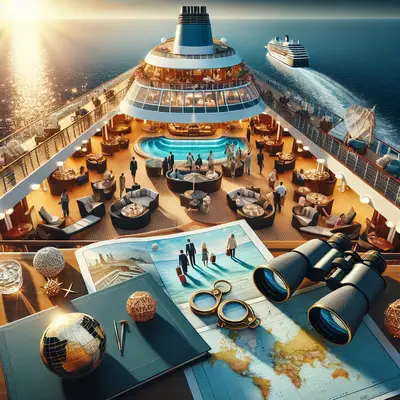
The most rewarding cruises are not those that simply “check the ports,” but those that use the itinerary as a framework for a cohesive narrative. Instead of approaching each stop as an isolated excursion, design a thematic through-line that aligns with your interests—architecture, maritime heritage, contemporary art, regional wines, or coastal hiking. Prior to sailing, read beyond marketing descriptions and study port authority pages, tourism boards, and local cultural institutions to understand opening hours, seasonal exhibitions, and transportation nuances.
Once you have this context, you can decide when to lean into the ship’s excursion program and when to craft your own experience. For ports that are tender-reliant or heavily regulated, a ship-organized tour can ensure priority disembarkation and seamless logistics. In walkable cities or smaller harbors, consider organizing a privately guided half-day experience with a vetted local guide, leaving the remaining hours open for independent exploration and relaxed café stops. Think of sea days as deliberate “breathing spaces” within this narrative—time to read about the next destination, organize photographs, or attend a focused enrichment lecture that deepens your appreciation of what you will see next. By the end of the voyage, your memories feel coherent and curated rather than a blur of disconnected stops.
Building a Quiet Rapport with the Crew that Elevates Everything
Exceptional service at sea is rarely about a single grand gesture; it is built through micro-interactions that accumulate over days. Guests who consistently enjoy intuitive, personalized service are often those who invest early in genuine, respectful rapport. Learn and use names—of your cabin steward, preferred bartender, sommelier, and the maître d’ you see nightly. A few sincere sentences—where you are from, whether you have sailed this line before, what you appreciate about the ship—create a human connection that goes far beyond transactional requests.
Equally important is clarity delivered with courtesy. When discussing preferences—dietary restrictions, housekeeping timing, or bar orders—be precise but gracious. Crew members often serve thousands of guests on a sailing; your ability to communicate clearly, thank them specifically, and acknowledge their professionalism makes you memorable in the best possible way. When appropriate, discreetly express appreciation in the channels the line recommends: formal feedback forms, personal commendations to supervisors, or end-of-voyage notes. Over multiple sailings with the same brand, these respectful relationships can yield subtle privileges: nuanced wine recommendations, tailored shore suggestions, or simply the feeling of being recognized and welcomed “home” whenever you step aboard.
Mastering Embarkation and Disembarkation as Bookends of Calm
The beginning and end of a cruise often determine how the entire experience is remembered. While many accept embarkation and disembarkation days as inherently chaotic, a bit of strategic planning can transform both into almost serene rituals. For embarkation, select an arrival window that aligns with your tolerance for crowds. Boarding early offers access to quieter public spaces and first choice of lunch venues, but boarding slightly later can mean shorter queues and a fully prepared cabin. Confirm documentation requirements directly with your cruise line and relevant government websites; having printed copies of key forms alongside digital versions can mitigate any technology issues.
Pack a refined, compact embarkation tote that contains only what you truly need before your luggage arrives: a book or e-reader, sunglasses, a light wrap or blazer, a small pouch with essentials, and perhaps a change of clothing if you’ve flown in that morning. On disembarkation day, resist over-scheduling your onward travel. Allow for a comfortable margin between scheduled docking and your flight or train—unexpected delays, customs queues, or traffic are far less stressful when you have intentionally priced in time. Pre-arrange transfers through reputable providers rather than negotiating ad hoc at the terminal, and keep a minimalist “final morning” kit easily accessible so your last hours on board feel composed rather than frantic. When both bookends of your journey are curated, the voyage itself feels more expansive, almost as if you have given yourself an extra day on either side.
Conclusion
Luxury at sea is no longer defined purely by thread counts or champagne labels, but by how deliberately a journey is constructed. When you treat your stateroom as a private retreat, curate a thoughtful culinary rhythm, shape the itinerary into a story, cultivate genuine rapport with the crew, and choreograph your embarkation and disembarkation with intention, each voyage acquires a distinctive, personal texture. The ship remains the same, the ports may repeat, yet your experience becomes quietly, unmistakably your own—an elegant expression of how you choose to travel, rather than merely where you choose to go.
Sources
- U.S. Department of State – Cruise Ship Passengers - Official guidance on documentation, safety, and planning considerations for cruise travelers
- U.S. Customs and Border Protection – Know Before You Go - Clear overview of customs regulations, duty allowances, and what to expect upon re-entering the United States
- Cruise Lines International Association (CLIA) - Industry association offering research, best practices, and general insights into contemporary cruising standards
- Harvard Business Review – The Value of Customer Experience, Quantified - Explores how small service interactions and relationships shape overall satisfaction, relevant to understanding crew–guest dynamics
- National Oceanic and Atmospheric Administration (NOAA) – Ocean & Coasts - Background on marine and coastal environments that enriches understanding of the regions many cruises visit
Key Takeaway
The most important thing to remember from this article is that this information can change how you think about Travel Tips.