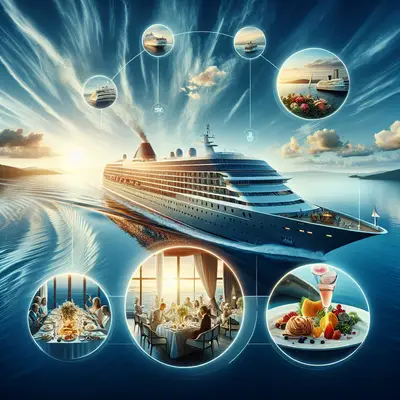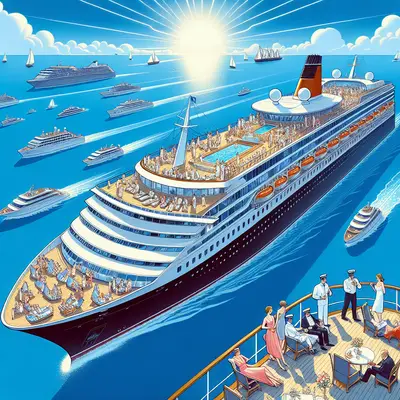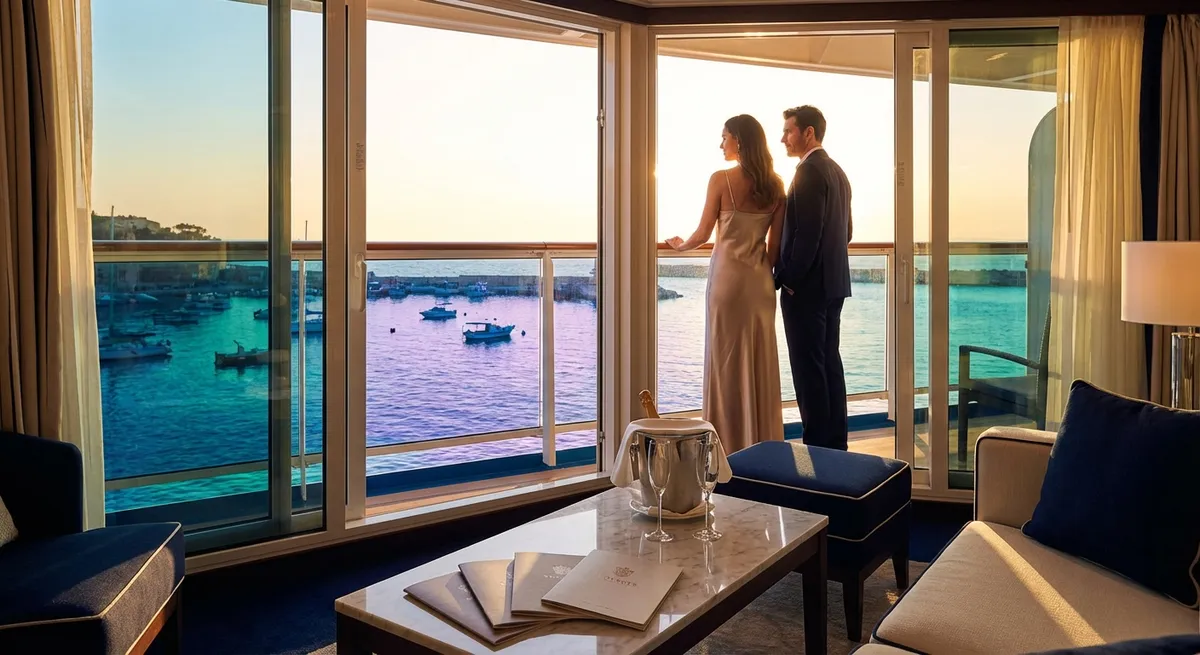
For the seasoned cruise guest, the decision is no longer simply “which itinerary?” but “which philosophy of travel at sea?” Today’s leading cruise lines are not merely modes of transport; they are highly curated ecosystems of service, design, and experience. Understanding the distinctions between them is the quiet advantage of the well-informed traveler. What follows is a refined lens on how cruise lines truly differ—far beyond brochure language—and five exclusive insights that reward those who look beneath the surface.
Beyond Brand Names: Understanding a Line’s True Personality
Every cruise line projects an image, but its true personality reveals itself in the way it prioritizes time, space, and silence. Some lines cultivate a resort-style exuberance—large theaters, water parks, a constant hum of activity. Others invest heavily in acoustic design, traffic flow, and discreet service, ensuring that the ship feels more private residence than floating resort, even when sailing at full capacity.
What distinguishes the top tier is not simply suite size or champagne labels, but how consistently a line delivers its promise across ships, seasons, and regions. The discerning cruiser evaluates patterns: Are the newest ships genuinely raising the bar, or merely scaling up? Do smaller vessels in the fleet receive the same attention to culinary and design standards as the flagship? A cruise line’s personality comes into focus only when one studies the entire fleet, not just the cover star.
This is why experienced travelers often “align” with one or two preferred lines for many years. They seek not just loyalty points, but predictability of tone: the expectation that a certain standard of calm, cuisine, and cultural depth will be waiting, whether embarking in Miami, Barcelona, or Singapore.
Insight 1: The Service Culture Is Engineered Long Before You Board
The most refined cruise experiences are rarely accidental. They are the product of deliberate decisions about crew-to-guest ratios, training philosophies, and staff retention. While marketing materials often highlight butlers and concierges, the truest measure of a line’s standards is the consistency of everyday service—at breakfast, at the pool, at guest services on a busy embarkation day.
Cruise lines with deeply rooted service cultures invest in weeks (sometimes months) of pre-embarkation training, often in dedicated academies or training centers. The curriculum can extend beyond technical skills into cultural intuition: understanding when to initiate conversation and when to simply be present. This subtlety is what separates good service from deeply considerate service.
One telling indicator: staff tenure. Lines that prioritize well-being, fair contracts, and professional development typically boast crew who return season after season—building a shared memory of guest preferences and onboard rhythms. Regular cruisers notice when a maître d’ remembers their preferred table, or when a suite attendant anticipates a mid-afternoon tea habit. These gestures aren’t magic; they are the practiced fingerprints of a mature service culture.
Insight 2: Space Ratios Reveal More Than Square Footage
Publicity often focuses on ship size, but connoisseurs look instead at “space per guest”—a quieter metric that reveals how a cruise line thinks about comfort. Two ships may look similar in tonnage, yet feel entirely different once aboard, depending on how many guests they carry and how thoughtfully space is allocated.
Lines that prize a sense of ease may deliberately cap capacity below the technical maximum, preserving quieter lounges, more generous outdoor decks, and a less congested buffet. The result is not just physical comfort, but psychological: a ship that never feels like it is straining against its own popularity.
Design choices deepen this effect. Consider the positioning of stairwells, the number of smaller bars versus a single large atrium, the use of nooks and semi-private alcoves near windows. Luxury-focused lines often dedicate disproportionate square footage to non-revenue spaces—reading rooms, observation lounges, art galleries—prioritizing atmosphere over constant monetization. The aware guest looks beyond the headline “number of restaurants” and studies deck plans the way a seasoned traveler studies hotel blueprints.
Insight 3: Culinary Programs Are Quietly Regionalizing—If You Choose the Right Line
Not all “global cuisine” is created equal. Many mainstream ships rely on standardized menus across fleets, delivering consistency but often lacking nuance. In contrast, an emerging hallmark of higher-end cruise lines is a deep, intentional regionalization of menus and sourcing as ships move across the globe.
Look for lines that highlight partnerships with local producers, guest chefs, or regional wine estates. In the Mediterranean, that might mean olive oils from a specific valley, fresh seafood delivered dockside that morning, or wine lists that change subtly from Spain to Greece. In Asia, you may notice broths, spices, and techniques that go far beyond a token “Asian night.”
This regional sensitivity is also expressed in pacing. Some lines incorporate port-of-call ingredients into tasting menus on the same evening, or host small-group, reservation-only dinners focused on a single local tradition—think Sicilian seafood, Provençal market cuisine, or Japanese kaiseki. For the epicurean cruiser, these lines transform the ship into a moving culinary lens on the destinations, rather than an insulated bubble floating above them.
Insight 4: Enrichment Is Becoming the New Currency of Prestige
Where once a cruise line might distinguish itself with ever-larger theaters and onboard spectacles, the most elevated brands are now competing in a calmer arena: enrichment. This includes expert lectures, curated shore-excursion programs, and partnerships with universities, museums, or cultural institutions.
Sophisticated guests are looking for more than entertainment; they want context. On expedition lines and upper-premium brands, it is increasingly common to find historians, naturalists, or art lecturers sailing entire segments, offering talks that genuinely enhance what you will see ashore. The best programs are integrated: lectures scheduled before key ports, follow-up discussions after, optional reading lists, even guided stargazing on deck.
A telling detail is how a line treats “sea days.” Are they filled with novelty games and televised trivia, or structured around thought-provoking sessions, tasting workshops, and smaller, salon-style gatherings? For those who see travel as an ongoing education, the choice of cruise line becomes a choice of intellectual milieu at sea.
Insight 5: Sustainability Standards Are Quietly Rewriting the Hierarchy
Among the quiet differentiators now shaping the cruise landscape, environmental performance is perhaps the most consequential. While no large ship can be impact-free, some lines are investing heavily in cleaner fuels, advanced wastewater treatment, shore-power connectivity, and more thoughtful itineraries that reduce congestion in delicate ports.
Future-oriented travelers are beginning to examine these commitments with the same attentiveness once reserved for cabin categories. Lines introducing LNG-powered vessels, exploring methanol-ready or hybrid propulsion, or publishing transparent sustainability reports are sending a signal about their long-term seriousness.
Sustainability also touches guest-facing choices: the elimination of single-use plastics, intelligent air-conditioning systems, refined waste sorting, and menus that balance indulgence with responsible sourcing. For many sophisticated cruisers, aligning with a line that is actively modernizing its fleet and operating practices is part of the quiet satisfaction of the voyage—an assurance that elegance at sea is not purchased at a reckless environmental cost.
Reading Between the Waves: Matching Your Taste to the Right Line
Selecting the right cruise line is less about chasing superlatives and more about aligning personal style with a particular maritime philosophy. Some travelers seek the energy of large, entertainment-driven ships with an ever-rotating carousel of activities. Others gravitate toward smaller vessels where silence, service language, and even the pace of the day are calibrated for contemplation.
This alignment begins with asking different questions. How does the line define “luxury”—through square footage, through privacy, through gastronomy, through cultural depth? Does the ship aim to be the destination, or is it a finely crafted instrument for exploring the destinations themselves? How does the line communicate between sailings—through thoughtful editorial content and transparent updates, or merely promotional offers?
In the end, the most rewarding partnerships between guest and cruise line tend to endure. Over time, you come to know the fleet’s nuances, the best corners of each ship, the rhythm of embarkation days, the quietest lounges at sunset. The ship, and the brand behind it, begin to feel less like a product and more like a trusted host—one that evolves with you as your expectations of travel become ever more considered.
Conclusion
Today’s cruise landscape has never been more varied—or more nuanced. The difference between a pleasant voyage and a profoundly satisfying one often lies in subtleties invisible in brochures: crew culture, space planning, culinary philosophy, enrichment depth, and environmental seriousness. For the discerning traveler, taking the time to understand how a cruise line truly thinks and operates becomes a form of pre-voyage curation.
By reading beyond marketing language and attending to these quieter signals, you position yourself not just to select an itinerary, but to choose a maritime partner whose values mirror your own. In that alignment lies the essence of contemporary cruising at its most refined: a voyage where every detail, from the curve of a stairwell to the provenance of a wine list, reflects an intentional, elevated vision of life at sea.
Sources
- Cruise Lines International Association (CLIA) – 2023 State of the Cruise Industry - Industry overview with data on fleet growth, guest trends, and sustainability initiatives
- U.S. Federal Maritime Commission – Passenger Vessel Operator Information - Regulatory and licensing details on major cruise operators
- Norwegian Cruise Line Holdings – Environmental, Social and Governance Report - Example of how large cruise groups report on sustainability and operational practices
- Carnival Corporation – Sustainability Reports - Insights into fleet-wide environmental technologies and responsible operations
- Harvard Business School – “Royal Caribbean: A Journey” Case Study Overview - Academic perspective on cruise line strategy, brand positioning, and guest experience design
Key Takeaway
The most important thing to remember from this article is that this information can change how you think about Cruise Lines.