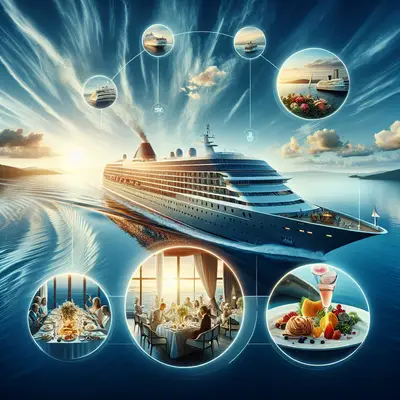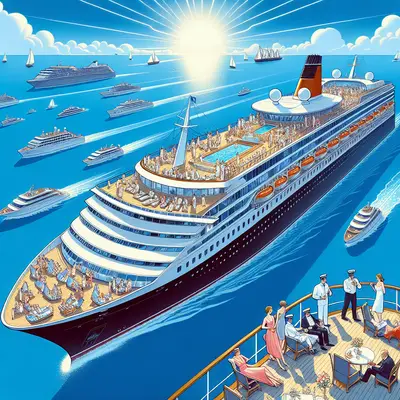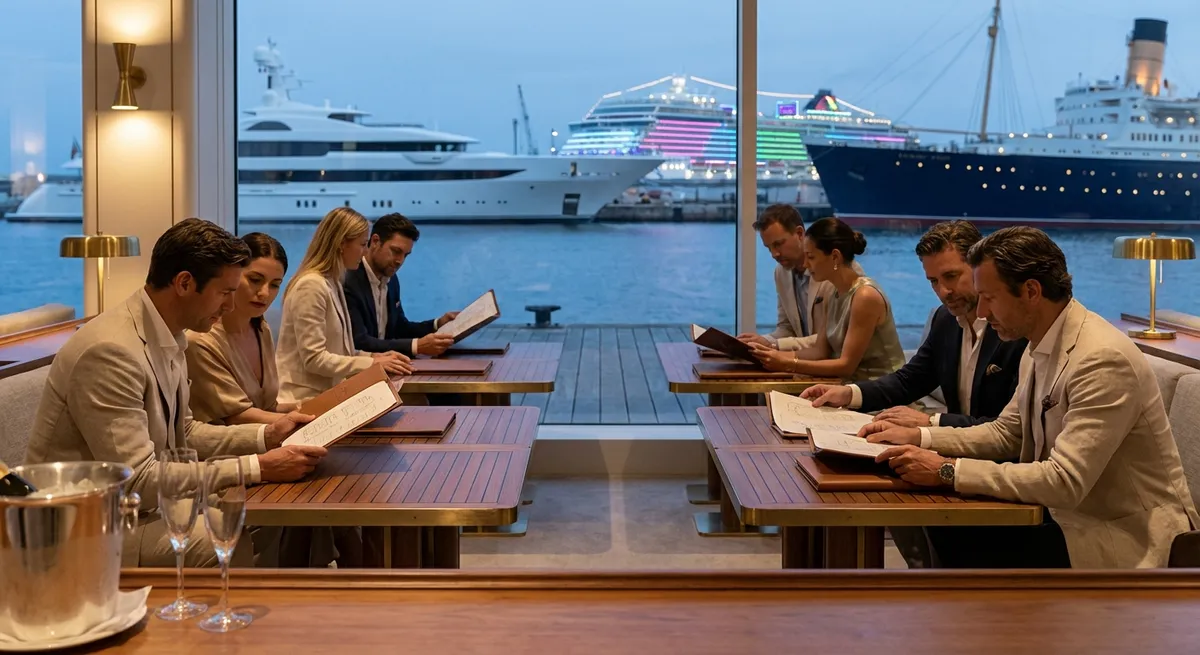
Certain cruise lines do more than transport guests between ports; they curate a floating world with its own culture, rhythm, and aesthetic. For those who select their ship with the same care they devote to choosing a hotel, a wine list, or a watch, understanding these distinctions is essential. This is not about comparing “best” and “worst,” but about recognizing the nuanced signatures that define each line’s character—and how to match them to your own.
Below, we explore five under‑discussed insights that seasoned cruisers quietly rely on when selecting a line, a ship, and even a specific sailing.
The Ship as a Cultural Ecosystem, Not Just a Vessel
Every cruise line cultivates an onboard “micro‑culture” that extends well beyond décor and dining. It shapes who sails, how they spend their days, and how the crew orchestrates the experience. For the attuned traveler, understanding this culture is as important as understanding the itinerary.
Some lines craft a club‑like atmosphere—recurring guests, familiar bartenders, and a sense of being recognized rather than processed. Others lean into a global, cosmopolitan feel, attracting a mix of nationalities and languages that resembles an international boutique hotel rather than a country club. The art collections, the background music, even the tone of announcements subtly telegraph the brand’s identity.
This “ecosystem” becomes most evident on sea days. On certain premium lines, lectures by historians, naturalists, or visiting chefs are standing‑room only; on others, deck parties and live bands attract the main crowd. Neither is inherently superior, but they appeal to very different sensibilities. Guests who value contemplative enrichment will be happier on lines that invest heavily in destination‑driven programming and quiet spaces, rather than those that emphasize spectacle and constant activity.
Cruise lines also differ in how they handle the choreography of space: some keep public venues intentionally intimate, favoring multiple smaller lounges over a few grand atriums. This impacts everything from how easily you find a secluded corner to how often you encounter the same familiar faces. For those who view the ship itself as part of the destination, choosing a line whose onboard culture mirrors your own social temperature—whether you prefer low‑key refinement or polished conviviality—is foundational.
Quiet Architecture: How Layout Reveals a Line’s Priorities
Beyond obvious metrics like tonnage or passenger capacity, the way a ship is physically arranged offers telling clues about a cruise line’s true priorities. Enthusiasts increasingly evaluate a ship’s deck plans with the same scrutiny others reserve for real‑estate listings.
Lines that value serenity often position their spa, thermal suites, and observation lounges far from high‑traffic zones, creating a “quiet spine” at the top or forward of the ship. Others deliberately centralize entertainment venues, casinos, and atriums to generate energy and movement at the heart of the vessel. The proportion of indoor versus outdoor space—and how protected those outdoor spaces are from wind and weather—speaks volumes about whether the line sees the ship as a floating resort or a gently moving observation platform.
Pay attention to how many “transit bottlenecks” exist, particularly around dining rooms and theaters. Well‑thought‑out ships disperse traffic elegantly, avoiding the feeling of a rush or queue even at peak times. This is not accidental; it reflects a brand’s investment in passenger flow, and ultimately in how it defines comfort.
Cabin location philosophies also differ between lines. On some, prime suites are clustered around exclusive lounges and restaurants, creating a “ship‑within‑a‑ship” for guests seeking privacy. On others, top accommodations are more integrated, intentionally blurring the boundary between suite guests and the broader passenger community. Both models appeal to different ideas of luxury: one prioritizes seclusion; the other, relaxed parity in shared spaces.
Studying the layout—public decks, jogging tracks, forward‑facing lounges, even the position of tender embarkation points—allows you to reverse‑engineer the cruise line’s underlying design brief. For travelers who consider atmosphere an essential part of value, this architectural reading is a powerful tool.
The Real Signature: How Each Line Interprets “Destination”
While brochures highlight ports of call, insiders know that what differentiates cruise lines is not where they go, but how they choose to engage with those places. “Destination immersion” has become a buzzword, but its execution is far from uniform.
Some lines invest in longer stays and overnights, allowing guests to experience a city’s evening character—its restaurants, performances, and waterfront ambience—rather than just its daytime landmarks. Others focus on more remote anchorages, tendering to smaller harbors that large ships cannot access. This reflects a philosophical choice: is the cruise line curating classic postcard moments, or facilitating more niche, insider encounters?
Onboard programming offers another lens. Lines that bring local experts, regional performers, and destination‑specific culinary collaborations onboard are signaling that they view the voyage as a continuous narrative, not a string of disconnected port calls. Guests return to the ship and find the story of the destination amplified rather than interrupted.
There is also a distinction between lines that primarily treat ports as shopping and sightseeing stops, and those that emphasize nature, culture, or active exploration. Expedition‑oriented brands, for example, deploy zodiac landings, guided hikes, and scientific lectures; their definition of “luxury” is as much about intellectual engagement and access as it is about thread counts.
For the discerning cruiser, investigating how a line articulates its destination philosophy—through overnights, small‑ship itineraries, curated excursions, and pre‑/post‑land programs—is often more revealing than simply comparing routes on a map.
Subtle Service Codes: Reading a Line’s Hospitality Philosophy
Every cruise line claims exceptional service, but the style of that service is markedly different once aboard. Savvy travelers pay attention to three quiet indicators: anticipation, adaptability, and discretion.
Lines with a strong anticipation culture train crew to recognize patterns quickly: how you take your coffee, whether you prefer sparkling or still water, if you gravitate toward certain seats or venues. This attentiveness surfaces as seemingly spontaneous gestures—your preferred wine appearing without prompting, or a favorite snack waiting after an excursion. It’s not scripted friendliness; it’s studied familiarity.
Adaptability is equally telling. Some brands are meticulous but rigid, excelling when everything runs according to plan but struggling to pivot when weather or logistics intervene. Others empower their teams to reconfigure dining arrangements, adjust excursion capacity, or tailor experiences for small groups on short notice. Frequent cruisers often favor lines where “no” is rare, and creative alternatives appear quickly and quietly when needed.
Discretion may be the most nuanced hallmark. On certain ships, staff are ever‑present, conversational, and eager to engage. On others, they are refined and nearly invisible until needed, favoring a more European style of understated hospitality. Both approaches can be polished; the choice depends on whether you value warmth and sociability or subtle, almost invisible orchestration.
These service codes become evident long before you board: in how the line handles special requests prior to sailing, how quickly (and thoughtfully) they respond to questions, and how they manage issues such as missed connections or itinerary changes. For those who return to sea year after year, the underlying service philosophy often matters more than any single amenity.
The New Currency: Space, Silence, and Time
As cruise ships have grown larger and experiences more elaborate, a quiet counter‑trend has emerged: a renewed focus on three intangible luxuries—space, silence, and time. Different lines now “price” these elements in very different ways.
Space appears in multiple forms: generous balcony depth, uncrowded pool decks, extra‑wide promenades, and a higher space‑to‑guest ratio overall. Some brands deliver this by operating genuinely small ships; others carve out exclusive areas—private sun decks, lounges, and specialty restaurants—accessible to certain cabin categories or at an additional fee. Understanding where and how a line allocates space reveals its hierarchy of value.
Silence is becoming another differentiator. Travelers who work in high‑intensity environments increasingly seek ships that respect acoustic calm: minimal PA interruptions, quiet zones, and venues that are carefully insulated from high‑energy entertainment areas. Some lines design true retreat spaces—libraries, observation lounges, spa relaxation rooms—where conversation is hushed and views are the main attraction. Others prioritize a resort‑like buzz over tranquility; neither is wrong, but the contrast is stark.
Time, finally, is expressed through pacing. Lines that intentionally schedule fewer overlapping events, longer dining windows, and more generous port calls send a clear message: the guest should never feel rushed. Others maximize choice through dense daily programs, late‑night shows, and multiple dining “waves.” Experienced cruisers often know whether they derive more pleasure from a richly packed diary or from a day with only a few, well‑considered highlights.
For enthusiasts, the emerging lexicon around space, silence, and time has become as important as discussions of wine lists or suite categories. The most satisfying voyages are not necessarily the most opulent, but the ones where these three elements are calibrated perfectly to the traveler’s own idea of ease.
Conclusion
Selecting a cruise line today is less about chasing superlatives and more about aligning with a personality: a particular way of conceiving space, designing ships, interpreting destinations, and expressing hospitality. Behind the glossy marketing lies a set of quiet decisions—architectural, cultural, and operational—that shape your experience as surely as the route map.
For those who treat the sea as a recurring chapter rather than a one‑time novelty, learning to read these subtleties transforms the process of choosing a cruise line into a kind of connoisseurship. The reward is not simply a “good” voyage, but one that feels precisely, almost uncannily, like it was designed with you in mind.
Sources
- U.S. Federal Maritime Commission – Consumer Guide to Cruises - Explains key aspects of cruise operations, passenger rights, and regulatory oversight
- Cruise Lines International Association (CLIA) – 2023 State of the Cruise Industry - Industry report on trends, guest preferences, and global deployment patterns
- New York Times – “Cruising Returns, but Is It Better Than Ever?” - Explores how cruise lines are redefining onboard experience and ship design
- BBC Travel – “Why Small-Ship Cruises Are Making a Comeback” - Discusses the rise of intimate vessels, destination immersion, and space as a luxury
- Harvard Business Review – “The Unexpected Power of Quiet Time” - Provides broader context on the value of silence and unstructured time, concepts increasingly reflected in premium travel experiences
Key Takeaway
The most important thing to remember from this article is that this information can change how you think about Cruise Lines.