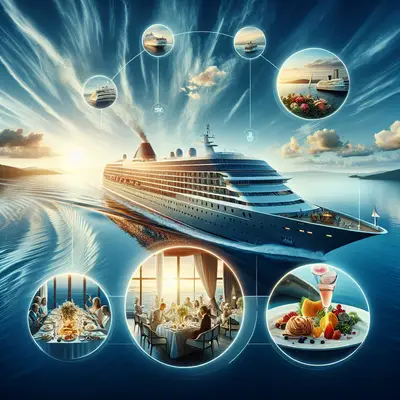
There is a particular moment, just after sailaway, when the shoreline recedes and the sea asserts itself as the central character. For the refined cruiser, that is when a question quietly surfaces: what truly distinguishes a merely pleasant voyage from a profoundly memorable one? Beyond brochures and brand slogans, the most discerning travelers look for subtler signatures—evidence of a cruise line that understands nuance, invests in details, and curates experiences with almost obsessive intent. This is where the world’s finest cruise lines reveal their true character, often in ways only seasoned enthusiasts notice.
The Art of Space: How Top Lines Engineer “Uncrowded” Luxury
On a premium ship, luxury is not only measured in thread count or chandeliers; it is expressed in how generously a cruise line treats space. The most sophisticated brands design ships around a deceptively simple concept: each guest should feel as though they have more ship than the numbers suggest.
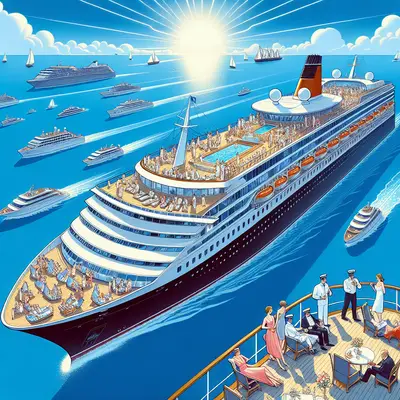
This begins with passenger-to-space ratios. High-end lines deliberately sail with fewer guests relative to their gross tonnage, creating an almost residential sense of calm in public areas. Corridors are wider than necessary, ceilings subtly higher, and sightlines carefully managed so that lounges feel intimate rather than busy. Even pool decks on these vessels are engineered with layered terraces, cabanas, and semi-private nooks to disperse guests and protect the illusion of seclusion.
The effect is psychological as much as physical. Thoughtfully placed alcoves near panoramic windows invite quiet reading; tucked-away bars with just a handful of seats make every drink feel bespoke. Fine cruise lines also use acoustic engineering—sound-absorbing materials, strategic placement of venues, and careful control of background music—to prevent the ship from ever feeling frantic. To the practiced cruiser, this orchestration of space is an unmistakable sign that the line prioritizes serenity over spectacle.
Culinary Integrity: Beyond Tasting Menus and Show Kitchens
Nearly every cruise line now advertises “gourmet dining.” The difference at the top tier is not the existence of specialty restaurants, but how uncompromisingly the culinary program is built from its foundations.
Elite lines invest in serious partnerships: collaborations with Michelin-starred chefs, respected vintners, and artisanal producers who lend not just their names but their philosophies. Yet the deeper signal of quality is hidden in the operational details. On ships that treat cuisine as a core identity, menus are not static; they evolve along the itinerary. Coastal sailings might feature regionally sourced seafood purchased in port that morning, while transoceanic crossings lean into broader seasonal tasting menus that celebrate provenance and craft.
Critical, too, is the wine program. Informed enthusiasts look beyond the presence of “fine wines” to the curation of the cellar: the strength of the mid-range list, the inclusion of small producers, and a willingness to feature lesser-known appellations. Sommeliers on top-end lines are educators as much as servers, tailoring pairings to the guest’s curiosity rather than simply the price of the bottle.
Perhaps the most telling indicator is restraint. Exceptional cruise lines resist the temptation to overcomplicate. They are confident enough to serve a simply grilled fish with impeccable olive oil, handmade pasta with three perfect ingredients, or a dessert that privileges craftsmanship over theatrics. This culinary quietness—precision without ostentation—is a hallmark that experienced cruisers recognize and seek out.
The Invisible Service Ballet: When Excellence Disappears into Ease
On a refined cruise, the most impressive service is not flamboyant; it is almost invisible. The true luxury is the sensation that your needs are anticipated before you fully articulate them, delivered in a way that feels natural rather than staged.
This is not accidental. Top-tier cruise lines invest heavily in service training, not only in technical skills but in emotional intelligence—teaching staff to read subtle cues, remember preferences, and adapt their style to the guest’s personality. Ask for a specific tea once in the afternoon, and on a truly exceptional line, it may appear the next day at the same time without prompting. Mention an interest in photography to your waiter at dinner, and you might find an invitation the following day to a small-group session with the ship’s onboard photo expert.
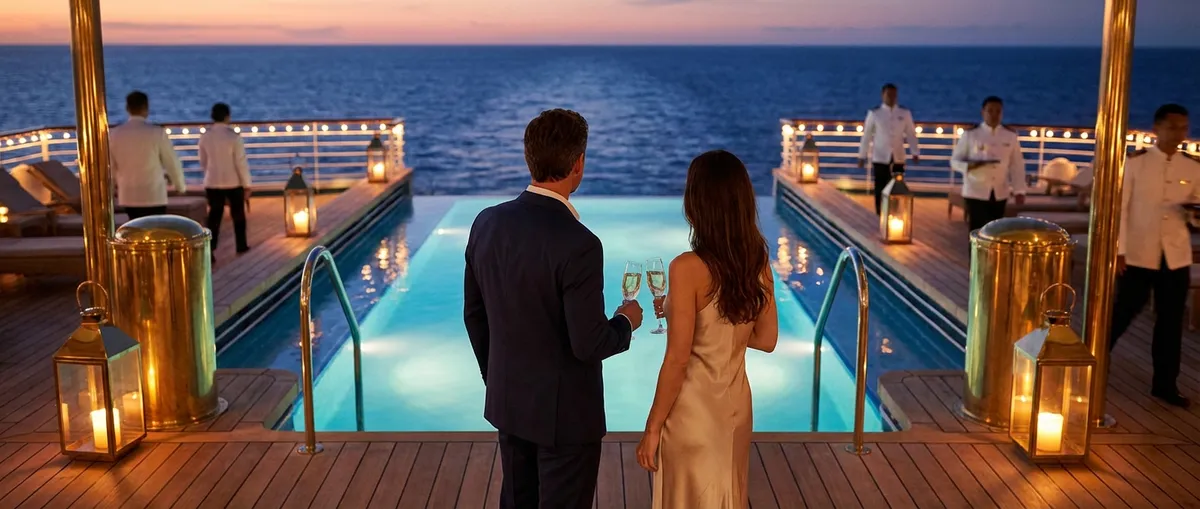
The highest expression of this ethos is discretion. Room attendants coordinate in ways that make your suite feel as though it tidies itself; the butler appears when the timing is impeccable and disappears when privacy is clearly desired. Service choreography ensures that embarkation, tender operations, and even disembarkation feel uncrowded and almost frictionless.
For experienced cruisers, these micro-moments—an unhurried cappuccino delivered at the perfect temperature, a quiet adjustment to dinner times after noticing you prefer late sunsets—signal that the cruise line sees service not as performance, but as a graceful suspension of effort for the guest.
Immersion, Not Excursions: When Shore Time Becomes a Curated Narrative
Shore excursions are now a baseline expectation; immersion is something altogether different. The most cultivated cruise lines have reimagined port days as extensions of the onboard experience, where each stop contributes to a coherent narrative rather than a checklist of photo opportunities.
Instead of mass-market tours, these lines curate small-group experiences with depth: private, before-hours museum access with a dedicated curator; food walks led by a local chef who later collaborates on a shipboard dinner; vineyard visits where guests meet the winemaker whose bottles they will see on that evening’s wine list. Educational programs start onboard, with lectures, tastings, or briefings that frame the port visit in its cultural, historical, or environmental context.
Time in port is handled with equal sensitivity. Select itineraries favor longer stays, overnights, or late departures, allowing guests to experience cities in their evening personalities—opera performances, jazz clubs, or unhurried promenades after the day tourists have gone. Some lines layer in philanthropic or sustainability-driven options, allowing guests to engage with conservation projects or community initiatives in a way that feels meaningful rather than token.
For the seasoned cruiser, this integrated approach is revelatory: the line’s promise is not simply that you will “visit” destinations, but that you will leave with a textured understanding of why they matter.
Design as a Signature: Curated Aesthetics and Intelligent Comfort
While grand atriums and chandeliers may catch the eye, devoted cruise enthusiasts know to look more closely at how a ship is designed to be lived in. The most sophisticated cruise lines have moved away from thematic excess and toward a language of calm, contemporary refinement.
Public spaces often feel like high-end residential interiors rather than hotel lobbies: muted palettes, tactile materials, art that rewards a second look. Instead of overwhelming guests with visual noise, these ships offer a series of carefully composed rooms, each with its own mood—library-like lounges, hushed observation decks, intimate music salons, and daylight-filled spa sanctuaries.
Art programs are another subtle signature. Instead of generic prints, many premium ships curate meaningful collections—commissioned works, regionally relevant pieces, or installations that reflect the itinerary. Guided art tours or quietly annotated catalogs transform corridors into gallery walks, offering contemplative engagement between activities.
Functionality is treated with equal reverence. Suite layouts maximize views, storage is thoughtfully integrated, and lighting can be tuned for reading, relaxing, or entertaining at the touch of a button. Even small decisions—such as the angle of a balcony chair, the acoustics of a jazz bar, or the placement of an espresso station near a morning-sun lounge—signal an obsessive focus on how guests actually move through and inhabit the ship.
To those who cruise often, this aesthetic intelligence is one of the clearest signs that a line respects its guests’ time, taste, and desire for understated luxury.
Conclusion
For travelers who have long since graduated from being dazzled by sheer size or spectacle, the world’s finest cruise lines are defined not by superlatives but by subtleties. Their ships are composed like symphonies of space, service, cuisine, immersion, and design—each element precisely tuned, none clamoring for attention.
The five insights above—the artful management of space, the integrity of the culinary program, the invisible ballet of service, the shift from excursions to immersion, and the quiet authority of intelligent design—are the signatures that seasoned cruisers learn to read. They are the reasons some voyages linger in memory long after the wake has faded, and why the most discerning guests return to the same lines again and again, trusting that each sailing will feel both exquisitely familiar and intriguingly new.
Sources
- CLIA: 2024 State of the Cruise Industry Report - Industry data on capacity, passenger trends, and evolving guest expectations
- U.S. Department of Transportation – Cruise Ship Travel - Official guidance on cruise operations, safety, and regulatory context
- Harvard Business Review: The Elements of Good Service - Insight into service design and guest experience principles relevant to premium hospitality
- Forbes: How Luxury Cruise Lines Are Redefining Travel - Overview of current trends in high-end cruising and experiential offerings
- Condé Nast Traveler: What Makes a Great Cruise? - Editorial perspective on the key attributes that distinguish exceptional cruise experiences
Key Takeaway
The most important thing to remember from this article is that this information can change how you think about Cruise Lines.