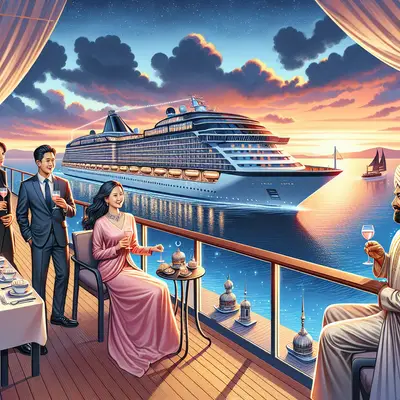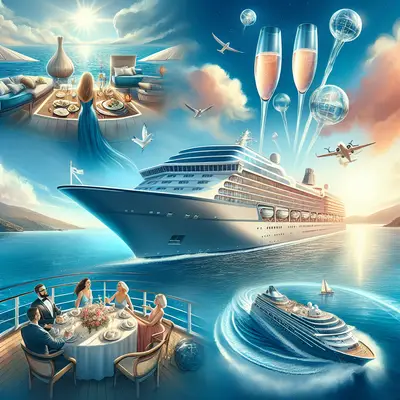
Luxury cruising is undergoing a subtle but profound transformation. The era of ostentatious excess is giving way to something more composed: experiences curated with the precision of haute couture and the emotional intelligence of a trusted private concierge. For the discerning traveler, the most meaningful indulgences are no longer the most obvious ones—they are the most considered.
In this new landscape, genuine luxury is measured in intimacy, intentionality, and the rare feeling that everything around you has been designed just for you. Below, we explore how contemporary luxury cruises are rewriting the script—and share five exclusive insights that seasoned cruise enthusiasts quietly keep to themselves.
The Evolution of Sea-Borne Luxury
The modern luxury cruise is less about spectacle and more about orchestration. Once defined by grand atriums, towering buffets, and headline entertainment, today’s high-end lines increasingly favor residential design, gastronomic nuance, and itineraries that feel less like routes and more like narratives.
Smaller ships and yacht-style vessels are reshaping expectations, trading scale for subtlety. Public spaces are being designed to feel like curated salons rather than lobbies, with libraries, art collections, and wine rooms arranged to invite lingering rather than passing through. Suites increasingly resemble pied-à-terre apartments, with bespoke furnishings, private terraces, and bathrooms that feel closer to boutique hotel spas than cabins at sea.
Service, too, has shifted from formal flourish to attuned discretion. Crew members remember preferred sparkling water brands, the exact way you take your espresso, and which side of the ship you favor for morning light—all without the theatricality that once characterized “white-glove” hospitality. The result is a form of luxury that feels less performed and more personally choreographed.
Beyond the Suite: Where True Exclusivity Now Resides
For years, luxury at sea was primarily measured in square footage and suite categories. Today, connoisseurs understand that while accommodations matter, the true differentiator is access: to spaces, to people, and to possibilities that are deliberately kept outside the standard experience.
Many top-tier lines now feature layered “ships within ships”—enclave decks, members-only lounges, or key-card-access retreats with private pools and dedicated dining. Yet the savviest guests look even further: to invitation-only tastings with the ship’s head sommelier, pre-opening access to spa thermal suites, or private shore arrangements designed in tandem with the onboard destination team rather than generic tour desks.
These experiences often aren’t advertised prominently. They live in the liminal space between what is listed and what is possible—accessible to guests who know how to ask the right questions and who build rapport with the senior hotel and concierge staff early in the voyage. For the practiced cruiser, the real “upgrade” is no longer a room category; it is entrée into a quieter tier of personalization.
Exclusive Insight #1: The Itinerary Within the Itinerary
Every published cruise itinerary is, in reality, only the visible surface. Underneath, there is a second, more nuanced itinerary that can be curated if you understand how the ship truly interacts with its ports.
Sophisticated travelers study not only the destinations but the timing and positioning—overnight calls, late departures, tender ports, and sailing routes that allow for scenic cruising. An overnight in a major city might be marketed simply as “extended time ashore,” but experienced guests treat it as an opportunity to build a two-act experience: an unhurried cultural or culinary immersion by day, followed by a private or semi-private engagement in the evening, often arranged with the line’s destination specialists or a vetted local partner.
Similarly, those in the know pay particular attention to so-called “transit days”: canal crossings, fjord navigation, or sail-ins through archipelagos. These are not mere sea days, but floating observatories. By coordinating with the bridge or destination team for optimal vantage points—forward observation decks at dawn, starboard balconies for a specific strait—you effectively create a bespoke scenic itinerary layered atop the published route, one defined by light, landscape, and timing.
Exclusive Insight #2: The Hidden Hierarchy of Culinary Privilege
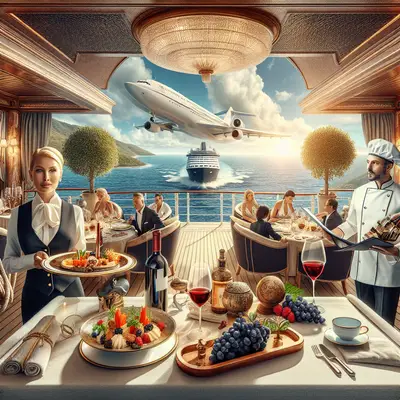
Modern luxury ships increasingly rival destination cities in culinary ambition, with Michelin-starred collaborations, dedicated sushi counters, test kitchens, and wine-paired chef’s tables. Yet the most memorable meals at sea are often not on the printed menu.
Frequent luxury cruisers quietly cultivate relationships with the maître d’, executive chef, and head sommelier. This is not about special treatment for its own sake; it’s about opening the door to experiences the general passenger list never realizes exist. Think impromptu off-menu dinners built around a fresh catch sourced in that morning’s port, or a progressive tasting that moves across multiple venues over the course of one evening.
Wine programs, especially, reward the informed guest. Many luxury lines maintain deep cellars with labels not always listed in the main wine list. A conversation with the head sommelier early in the voyage can reveal library vintages, limited allocations, and regionally focused flights inspired by the upcoming itinerary. For those who appreciate oenology, the cruise becomes not merely a trip through geography, but a journey through terroir.
Exclusive Insight #3: The Art of Securing the Most Desirable Silence
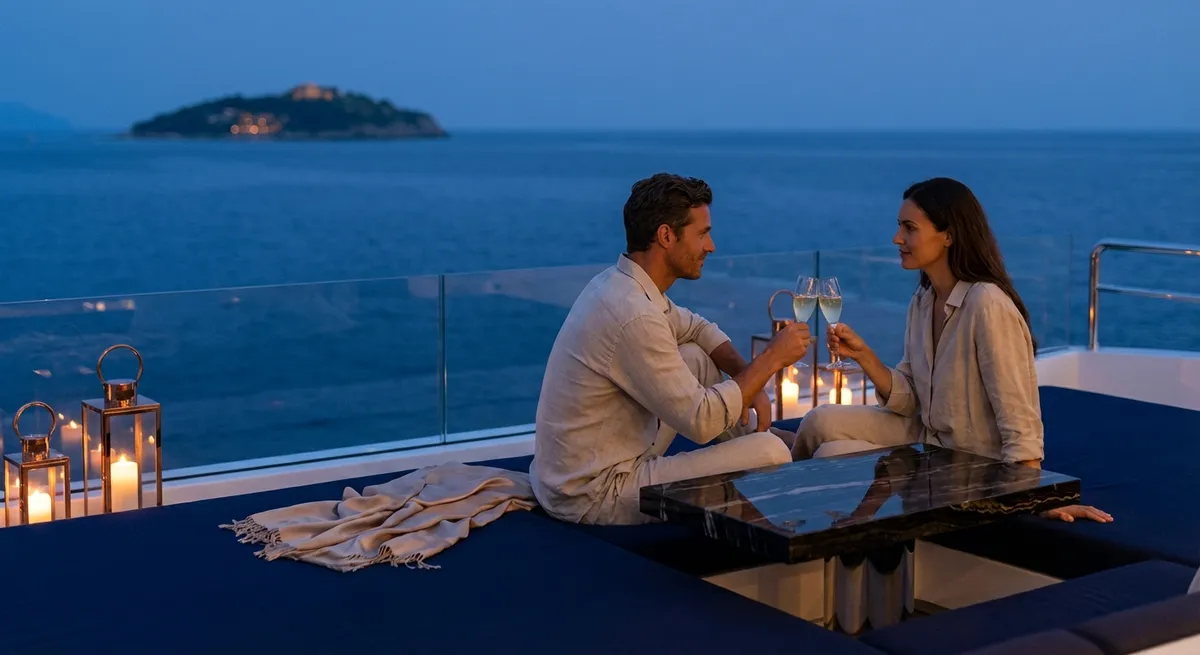
On a luxury vessel, true quiet is one of the rarest currencies. Not the absence of sound, but the considered presence of the right kind of sound: the soft hum of the sea, the subdued clink of glassware, the almost private murmur of conversation.
Experienced travelers are meticulous in how they select their accommodations. They study deck plans not just for proximity to lounges and restaurants, but for what is above and below their suite: avoiding the energy of pool decks, show lounges, galleys, and anchor winches. Cabins in subtly recessed areas along the corridor can reduce foot traffic, resulting in a more tranquil environment at all hours.
Beyond the suite, they identify quiet-time sanctuaries early: an underused forward observation lounge at sunrise, a shaded corner of the promenade mid-afternoon, or a lesser-known bar that comes alive only after dinner. By building a personal map of serenity—spaces tied to specific times of day—they transform the ship from a single environment into a mosaic of atmospheres, each chosen to match their desired state of mind.
Exclusive Insight #4: Wellness as a Seamless Thread, Not a Single Venue
In the past, wellness at sea largely meant a spa menu and a well-equipped fitness center. Today, the most refined luxury lines understand that genuine well-being is not a department; it is a philosophy that should permeate the entire voyage.
Seasoned guests look past the obvious spa treatments to the more integrated elements that shape how they feel day to day: the availability of circadian-aligned lighting in suites, pillow and mattress customization, bathing rituals supported by high-end amenities, and access to unhurried hydrotherapy spaces. The goal is less about momentary pampering and more about sustained equilibrium.
They also quietly leverage the ship’s natural gradients: early-morning deck walks taken before most guests are awake; low-impact wellness classes scheduled to align with sea conditions; nutrient-forward menus that favor regional, seasonal ingredients without marketing themselves as “healthy options.” Over the span of a week or more, these choices accumulate, so that one disembarks not simply rested, but recalibrated.
Exclusive Insight #5: The Value of Strategic Loyalty and Boutique Diversity
At the highest levels of luxury cruising, loyalty is more than a points system—it is a dialogue. Guests who commit to a particular line’s ecosystem often unlock privileges that dramatically reshape their onboard experience: priority in securing waitlisted suites, access to private events, behind-the-scenes tours, and occasionally even influence over future itineraries and onboard offerings.
Yet the most discerning cruisers also recognize the value of curated variety. Rather than anchoring themselves to a single brand, they maintain a portfolio of relationships: perhaps a Scandinavian-influenced line for design-led voyages, a classic ocean line for grand crossings, and a small-ship expedition operator for polar or remote archipelago exploration. Over time, they become known to each brand’s upper-tier staff and shoreside teams as travelers who understand and appreciate the particular character of that product.
This dual strategy—deep loyalty within each chosen brand, balanced by cross-brand diversity—ensures that they enjoy the full spectrum of contemporary luxury at sea. It allows them to move fluidly between aesthetics and styles without ever feeling like they are starting as anonymous first-timers. The result is a level of recognition and customization that feels almost club-like, yet never insular.
Conclusion
Luxury cruising today is defined less by what can be seen from across the atrium and more by what is felt in the quiet details: the exactness of a perfectly timed sail-in, the ease of a suite aligned with your own daily rhythm, the pleasure of a tasting menu created because the chef now knows the way you like to dine.
For those willing to look beyond brochure language and standard inclusions, a different caliber of voyage emerges—one shaped by access, intention, and the gentle confidence that your experience has been composed with you specifically in mind. In that space, the sea becomes more than a backdrop; it becomes a refined, ever-changing canvas for the most modern expression of luxury: curated, intimate, and quietly unforgettable.
Sources
- Cruise Lines International Association (CLIA) – 2024 State of the Cruise Industry Report - Industry data and trends on cruise growth, luxury segments, and evolving traveler preferences
- Silversea Cruises – S.A.L.T. (Sea and Land Taste) Program - Example of modern, immersive culinary and destination-focused programming on luxury ships
- Seabourn – Wellness at Sea with Dr. Andrew Weil - Illustrates how wellness is being integrated holistically into luxury cruise experiences
- Regent Seven Seas Cruises – The Regent Experience - Provides insight into all-inclusive luxury, personalized service, and curated onboard experiences
- U.S. Department of State – Traveler’s Checklist - Authoritative guidance on preparation and safety considerations for international cruise travel
Key Takeaway
The most important thing to remember from this article is that this information can change how you think about Luxury Cruises.