There are ports you visit, and ports that stay with you long after disembarkation. For the discerning cruiser, a destination is not a checklist of landmarks but a conversation—between sea and shore, architecture and tide, past and present. The most memorable cruise itineraries are curated not by distance traveled, but by the emotional resonance of the cities that frame your journey.
This is a study in ports of character: coastal cities where history is not staged but lived, where the details reward the observant traveler, and where arriving by sea is still the most elegant introduction. Woven throughout are five insights that frequent cruisers rarely share, but quietly rely upon to turn a standard call into a deeply textured experience.
The Art of the Arrival: Cities That Unfold Best from the Water
Some cities simply feel incomplete if you arrive any other way than by ship. They reveal themselves in layers, as the skyline evolves with every nautical mile.
Venice is the most cited example, yet there is a more nuanced pleasure in sailing into Valletta, Malta. The city’s golden bastions rise from the water like a stage set, but the performance is subtle: a sweep of limestone fortifications, discreet church domes, and honey-colored palazzi catching the first or last light of day. Similarly, Lisbon’s approach—passing under the 25 de Abril Bridge, with the Cristo Rei monument watching from above—offers a sense of theatre that even the most luxurious airport lounge cannot approximate.
Hong Kong’s Victoria Harbour, Quebec City from the St. Lawrence, and Sydney as you glide past the Opera House and Harbour Bridge all share this layered reveal. For travelers who value atmosphere as much as amenity, choosing itineraries where the city’s essence is legible from the water transforms “time in port” into an almost cinematic prelude.
Exclusive Insight #1: Anchor Your Itinerary in ‘Arrival Cities’
Experienced cruisers quietly favor itineraries where at least one or two ports are defined by their maritime approach. When comparing routes, look beyond the list of calls and focus on how you enter each city. A three-hour sail-in at sunrise can be as rewarding as a full day ashore—and in some cases, more so. The finest cruise lines often adjust timing to ensure daylight arrivals in these ports; it’s a subtle metric of how seriously they take the destination itself.
Historic Port Cities Where Time Moves at a Different Pace
Certain coastal cities do not merely preserve history; they inhabit it. Walking their streets feels less like sightseeing and more like stepping sideways in time.
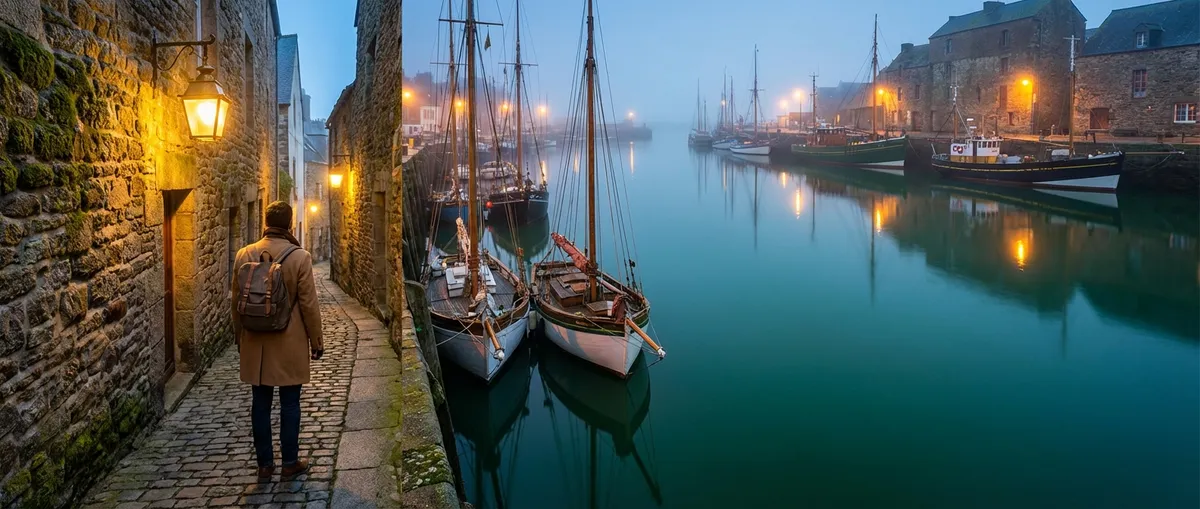
In Dubrovnik, Croatia, the fortified walls and polished stone streets radiate a lived-in patina that early-morning visitors recognize as their reward. In Cádiz, Spain, one of Western Europe’s oldest continuously inhabited cities, the tight maze of streets opens suddenly onto Atlantic views, each plaza telling a quiet story of trade, exploration, and endurance. Quebec City’s Lower Town, with its 17th-century streets perched above the river, offers North American cruisers a surprisingly European tableau without crossing the Atlantic.
These cities reward the unhurried. They are best experienced not by rushing between marquee sights, but by paying close attention to texture: a worn stair, a hidden courtyard, a harbor-front café where the servers know precisely when the ships depart and the city exhale begins.
Exclusive Insight #2: Use the “Half-Day Rule” for Older Ports
Seasoned travelers know that in genuinely historic ports, the most atmospheric hours are either the first half or the last half of the day. Rather than attempting to see everything, adopt the “half-day rule”: dedicate one half of your port time to a single, deeply immersive area (such as Dubrovnik’s walls or Quebec’s Old Town) and deliberately leave the rest unstructured. The contrast between curated discovery and unscripted wandering is often where these destinations feel most authentic.
Ports of Culinary Character: Where the Sea Is Still on the Plate
Refined cruising has long elevated dining at sea; yet in certain ports, the culinary experience ashore becomes the defining memory of the call. In these cities, the seafood on your plate and the vessels in the harbor are part of the same quiet narrative.
In Bergen, Norway, the interplay between fjord, market, and table is immediate. Local fishmongers curate the day’s catch with an almost ceremonial care, and a simple dish of grilled fish and new potatoes eaten within sight of working boats can feel more luxurious than any elaborate tasting menu. In Marseille, France, the soul of the city is anchored in its bouillabaisse—ideally enjoyed in a harbor-side restaurant that still draws locals, not just visitors seeking a checklist meal. In Osaka’s port district, Japan’s ultrafresh seafood is offered with a degree of precision that borders on choreography.
Here, “local” is not a marketing phrase but a lived reality. The pleasure lies not in extravagance, but in clarity: ingredients that have traveled fewer miles than the diner.
Exclusive Insight #3: Quietly Reserve ‘Port-Only’ Culinary Experiences
Savvy cruisers discreetly research one or two dishes or culinary rituals that are best experienced ashore and plan their onboard dining around them. This might mean skipping lunch on the ship before a long, late seafood lunch in a Portuguese port, or forgoing a specialty restaurant in favor of a simple harborside taverna in a Greek island town. The measure of a culinary port is not how many Michelin stars it boasts, but whether its most traditional dishes feel inseparable from the sea you sailed in on.
Understated Island Sanctuaries: Culture Beyond the Postcard
Beyond the iconic island names are quieter shores where culture has not been staged for mass consumption, and where the welcome is still shaped primarily by local rhythms rather than cruise schedules.
Consider Hvar in Croatia, when visited beyond the height of summer. Its stone lanes, lavender fields, and waterfront cafés embody a cultivated Adriatic ease that is rarely captured in brochures. Or Ponta Delgada in the Azores, where hydrangea-framed roads and volcanic landscapes offer a less stylized, more elemental Atlantic island experience. In the Caribbean, islands such as Guadeloupe or Martinique, with their French influence and strong local identity, offer a distinctly different cadence from the more commercialized ports.
These destinations are gracious rather than theatrical. They invite a more contemplative style of travel that aligns naturally with the sensibilities of a refined cruiser: less spectacle, more subtlety.
Exclusive Insight #4: Read the Ferry Schedules, Not Just the Shorex Brochure
A little-known habit among experienced cruisers is to look up local ferry or commuter boat timetables before arrival. Islands and smaller coastal cities that maintain robust inter-island or local ferry services usually possess a strong resident-centric rhythm and a more authentic waterfront culture. If the harbor is busy with vessels carrying locals rather than exclusively excursion boats, you can often expect richer, less staged interactions ashore. Incorporate a short local boat or ferry ride into your day; it situates the cruise ship within the broader maritime life of the destination.
Ports That Reward Returning: Building a Personal Cartography
While novelty is enticing, certain ports grow more compelling with each arrival. Their intricacies reveal themselves slowly, and the relationship between ship and shore deepens as you learn how to read them.
Athens, often dismissed as “just a gateway” to the islands, becomes a different city when you have the luxury to revisit specific neighborhoods or museums rather than tackling the entire classical canon in one day. Stockholm’s archipelago-driven approach encourages repeated visits that focus on different aspects of the city—design, gastronomy, or maritime history. Even frequently visited Mediterranean ports like Barcelona or Istanbul ultimately favor those who return with a sense of purpose, exploring beyond the immediate radius of the cruise terminal.
Destinations of this caliber become part of your personal cartography: places you know intimately enough that arriving by sea feels not like tourism, but a kind of homecoming.
Exclusive Insight #5: Treat Select Ports as ‘Anchor Cities’ in Your Cruise Life
Many seasoned cruisers quietly adopt a strategy of “anchor cities”—three to five ports they deliberately revisit across different itineraries and seasons. They may extend pre- or post-cruise stays, or choose sailings that overnight there. This approach shifts your relationship with the destination from fleeting visitor to informed regular. When evaluating new cruises, start with the ports you wish to know deeply, then choose the sailing that frames them best, rather than the other way around.
Conclusion
The most rewarding cruise destinations are not simply beautiful; they are articulate. They communicate their character through the manner of your arrival, the texture of their streets, the quiet authority of their culinary traditions, and the rhythm of their working harbors. For the refined cruiser, the true luxury lies not only in shipboard refinement, but in the quality of conversation between ship and shore.
By favoring cities that unfurl from the water with grace, historic ports that reward an unhurried pace, culinary harbors where the sea still defines the plate, islands that resist over-scripting, and “anchor cities” you revisit with intention, each voyage becomes more than a route. It becomes a curated series of relationships—with places, with time, and with the sea itself.
Sources
- UNESCO World Heritage Centre – Historic City of Dubrovnik - Background on Dubrovnik’s cultural and historical significance as a fortified Adriatic port
- UNESCO World Heritage Centre – City of Valletta - Official overview of Valletta’s architectural and maritime heritage
- Visit Lisboa – Official Tourism Website - Detailed information on Lisbon’s waterfront, neighborhoods, and port approach
- Bergen Official Travel Guide - Insights into Bergen’s maritime history, fish market, and coastal culture
- Quebec City Tourism – Official Site - Practical and cultural context for exploring Quebec City from the St. Lawrence River
Key Takeaway
The most important thing to remember from this article is that this information can change how you think about Destinations.