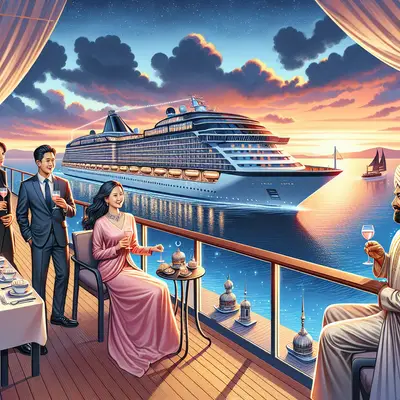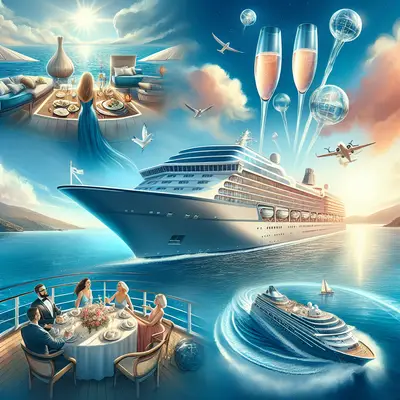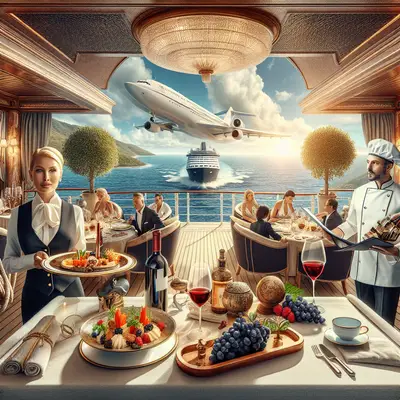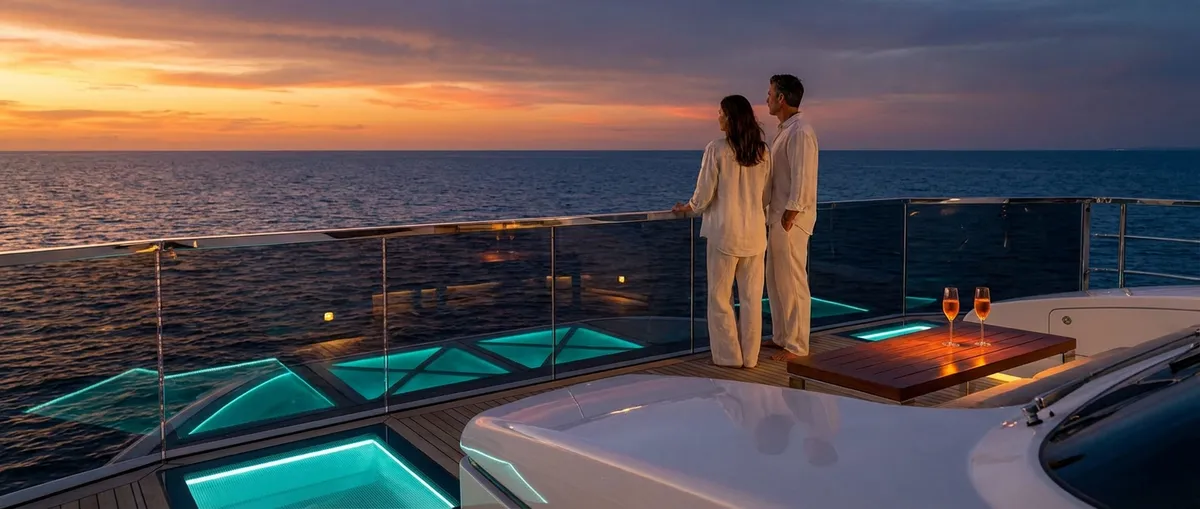
For the refined traveler, luxury cruising is no longer defined by square footage, thread count, or champagne labels alone. The new standard is more elusive: the way a ship feels at 6:15 a.m. on a quiet promenade, the precision of a maître d’ who remembers how you take your espresso, the ease with which logistics disappear and the journey becomes pure, unhurried rhythm. Today’s most elevated voyages are choreographed with such discretion that true luxury is often recognized only in retrospect—when you realize how little you had to ask for, and how much appeared exactly when you wanted it.
The Architecture of Space: Why Layout Matters More Than Size
On a luxury ship, the true measure of opulence is not how much space there is, but how intelligently it is deployed. Two ships can list nearly identical gross tonnage and passenger capacity, yet deliver dramatically different experiences simply through layout, flow, and acoustic design.
The best luxury vessels are composed like grand hotels at sea: quiet guest decks buffered from active public areas, sightlines that draw you toward natural light, and seamless transitions between indoors and outdoors. Corridors curve gently to avoid the “endless hallway” effect; ceilings are subtly raised near lounges and lowered near bars to create a sense of intimacy. Even the placement of staircases and elevators influences how you encounter fellow guests—whether your voyage feels delightfully social or serenely private.
Savvy travelers evaluate deck plans before they book, not just cabin categories. Suites under pool decks, show lounges, or galleys can compromise what should be the most restful part of the experience. By contrast, ships designed with thoughtful vertical zoning—spa above spa cabins, quieter lounges above suites—deliver a quietly luxurious calm you feel every time you close your door. On the finest vessels, you will rarely think about crowding, noise, or bottlenecks; the architecture has already anticipated you.
The New Quiet Luxury: Service That Anticipates, Not Interrupts
In contemporary luxury cruising, service is shifting from visible performance to quiet attunement. Guests who once equated formality with quality now prize a more nuanced skill: staff who can read the room—and the individual—within seconds.
On the most refined ships, you will notice that greetings are warmly personal yet never over-familiar, that team members adjust their style from one interaction to the next. The same sommelier who guides an in-depth Burgundy conversation one evening might offer a single, well-chosen recommendation to a couple who clearly prefer not to be fussed over. Your butler may appear to offer canapés precisely at the moment you return from an excursion—yet never knock during your afternoon on the balcony with a book.
This level of intuitive service is not accidental. Leading luxury lines invest heavily in training on cultural nuance, micro-body language, and guest preference tracking that goes far beyond basic CRM notes. The refinement you feel on board often stems from a simple principle: service that protects your time and mental space. The ultimate compliment to a top-tier crew is not exuberant praise, but the effortless sense that everything “just happened” without you having to think about it.
Culinary Precision: Beyond “Fine Dining at Sea”
The language of “gourmet at sea” has been used so liberally that it has lost much of its meaning. Discerning cruisers now look past buzzwords and branding to examine the underlying disciplines that truly differentiate culinary programs.
On the most elevated ships, menus are not simply rotated—they are curated to reflect sailing region, seasonality, and even sea days versus port days. Lunch may lean lighter on port-intensive itineraries to support afternoon exploration, while sea days might showcase more elaborate tasting menus and extended brunch service. Freshness is treated as non‑negotiable, with premium lines prioritizing regional provisioning whenever dock schedules allow.
Wine programs are another quiet hallmark of sophistication. Instead of overwhelming lists, there is a thoughtful balance between classic labels and small producers, with storage conditions and glassware treated as seriously as the selections themselves. Increasingly, luxury lines partner with Michelin‑starred chefs, renowned restaurateurs, or leading sommeliers—not merely to lend a name, but to influence sourcing, training, and plating across the fleet.
For the enthusiast, a meaningful distinction lies in the kitchen’s confidence in restraint. The finest dining rooms understand that a perfectly warmed plate, a sauce finished à la minute, and synchronized service can elevate even the simplest dish. When your final espresso arrives at the ideal temperature, with the sea gently visible just over the rim of the cup, you are tasting the compound effect of dozens of invisible decisions.
The Hidden Engineering of Comfort: What You Don’t Hear, Feel, or Smell
True luxury at sea is often measured by absences: the vibration you don’t feel at night, the engine hum you don’t hear in your suite, the faint scent of the ocean unmasked by anything artificial. Behind every tranquil lounge and restful stateroom lies a web of engineering and design choices that separate premium from merely pleasant.
Modern luxury ships increasingly employ advanced stabilization systems—fins, gyroscopic stabilizers, and refined hull designs—to minimize roll and motion, particularly in moderate seas. While all large ships have some level of stabilization, upscale lines often invest in higher-spec technology and tuning; the result is not just less movement, but a more consistent onboard ambiance that allows for perfectly balanced cocktails, unhurried dining, and undisturbed sleep.
Air quality and climate control are another quiet differentiator. High-end vessels tend to feature robust air‑filtration systems and carefully zoned climate management, improving not only comfort but perceived freshness in corridors and public spaces. Sound attenuation, from insulated bulkheads to layered ceiling treatments, helps ensure that a late‑night piano set never invades a guest’s suite.
For the connoisseur, these details might seem technical, yet they shape every waking and sleeping moment at sea. When an overnight passage through open water feels as smooth and composed as a harbor stay, you are experiencing the kind of invisible luxury that only comes from thoughtful engineering and continuous investment.
Itinerary as Signature: Reading a Line’s True Priorities
Brochures can be polished and suites can be spectacular, but a cruise line’s true character is revealed in its itineraries. What ports they choose, how long they stay, and how they structure sea days all signal where their priorities—and therefore your experience—truly lie.
Luxury-focused lines often favor fewer ports with longer or overnight calls, allowing guests to experience destinations beyond the midday rush. Arrivals timed for early morning light, or departures delayed until after dinner ashore, indicate a sensitivity to how place, time, and atmosphere interact. Smaller, more intimate ships can slip into harbors and yacht marinas closed to mega‑vessels, turning tender operations into elegant little interludes rather than logistical chores.
Look, too, at how sea days are positioned. On the most thoughtfully designed itineraries, intensive port clusters are bracketed by unhurried days at sea, giving you time to reset, dine more leisurely, and genuinely absorb the journey. The presence of themed voyages—wine harvest sailings, classical music crossings, or architecture-focused routes—can also reveal a line’s cultural depth and the kind of fellow guests you are likely to meet.
To the experienced cruiser, studying itineraries is an art form. The choice between a port‑dense route and a more balanced, contemplative voyage is not merely about “seeing more,” but about how you wish to feel at the end: exhilarated, restored, or quietly transformed.
Conclusion
Luxury cruising today is defined less by spectacle and more by calibration—the careful tuning of space, service, cuisine, technology, and itinerary into a coherent, deeply personal experience. The most rewarding voyages are those where design and hospitality work in concert to remove friction, heighten awareness, and give you back a sense of unhurried time.
For those who look beyond brochures and brand slogans, the clues are there in deck plans, dining philosophies, stabilization specs, and port choices. Understand these quiet codes, and you will choose ships that not only carry you across oceans, but refine the very way you like to travel.
Sources
- U.S. Department of Transportation – Cruise Ship Travel - CDC’s Yellow Book overview of cruise ship travel, operations, and health considerations
- CLIA (Cruise Lines International Association) – 2023 State of the Cruise Industry Report - Industry data on ship design trends, capacity, and guest preferences
- Lloyd’s Register – Cruise Ship Design and Technology - Insights into stabilization, engineering, and safety considerations on modern cruise vessels
- Forbes Travel Guide – What Makes Hotel Service Truly Luxury - Explores service philosophy and anticipatory hospitality, relevant to high-end cruise service standards
- Institute of Culinary Education – Trends in Luxury Dining - Analysis of contemporary fine-dining trends that parallel and influence luxury cruise culinary programs
Key Takeaway
The most important thing to remember from this article is that this information can change how you think about Luxury Cruises.