For the traveler who has already sailed the marquee routes of the Mediterranean and Caribbean, the true allure of cruising lies not in repetition, but in revelation. Beyond the well-publicized itineraries exists a quieter cartography of ports—harbors where craftsmanship still matters, where time is measured not in shore excursion slots but in the angle of late-afternoon light on stone and sea. This is the realm of discreet destinations: places that reward those who value nuance over novelty and depth over spectacle.
Redefining “Bucket List”: Ports That Resist the Obvious
In an era when “must-see” lists are algorithmically generated and endlessly recycled, the most memorable cruise destinations are often those that do not clamor for attention. These are ports where ships berth close to the historic heart rather than distant industrial docks, where a morning stroll replaces a motorcoach and a single, meaningful encounter is more valuable than a checklist of attractions.
Think of itineraries that trade headline capitals for cultivated smaller cities: Trieste instead of Venice, Nafplio instead of Athens, Kotor instead of Dubrovnik. These ports offer layered histories, intact architectural ensembles, and a sense of proportion that aligns naturally with a refined cruise experience. The pleasure is not only in what you see ashore, but in the seamlessness of the transition between ship and city: you disembark into a walkable, lived-in environment rather than a visitor-processing zone.
For the discerning cruiser, the destination is no longer a backdrop to the ship; it is a co-conspirator in the journey’s narrative. Selecting itineraries that privilege these quieter harbors is the first step toward travel that feels genuinely, rather than performatively, exclusive.
Exclusive Insight #1: Follow the Cargo, Not the Crowds
One of the most reliable ways to identify emerging or underappreciated cruise destinations is to look at regional trade and working harbors rather than tourism brochures. Ports that handle specialty goods—olive oil, wine, textiles, ceramics, or regional produce—often retain a living waterfront culture that mass-tourism hubs have lost. Where there is artisanal export, there is usually a community anchored in craft and continuity.
Consider small Adriatic or Aegean ports where traditional caiques or fishing boats still dominate the inner harbor. These working quayside environments typically coexist with intimate cafés, family-owned tavernas, and markets that serve local residents first, visitors second. The result is a shore experience that feels authentic without needing to perform authenticity.
This approach also shapes how you spend your time ashore. Instead of chasing the most photographed viewpoint, you might prioritize:
- Visiting a cooperative olive mill or family winery that quietly ships regionally rather than globally
- Exploring a weekly market where provisioning ships and villagers share the same stalls
- Choosing a harborfront restaurant whose primary trade is feeding local workers at lunch
By following the logic of local commerce rather than tourism marketing, you gain access to destinations—and experiences within those destinations—that most itineraries overlook.
Exclusive Insight #2: Seek Ports Where Arrival Is a Performance
The world’s truly memorable cruise destinations often announce themselves well before you tie up at the pier. These are ports where the approach is as carefully choreographed by geography and urban design as any onboard production: narrow fjords, amphitheater-style bays, hilltop citadels, and waterfront promenades conceived to be seen from the sea.
The Bosporus, the Bay of Kotor, and the approaches to Stockholm’s archipelago are classic examples, but discerning cruisers increasingly seek smaller-scale variations on this theme. Look for itineraries that include:
- Narrow channels or fjord-like inlets that require reduced speed and daylight navigation
- Historic harbors framed by citadels, church towers, or fortifications aligned toward the sea
- Island approaches where pilotage routes weave dramatically between rocky outcrops
These arrivals reward those who rise early and occupy the forward observation spaces or private verandas, watching the city or landscape reveal itself in stages. A port with a theatrical arrival also tends to have a historically seafaring culture; the urban form was often conceived with maritime arrival in mind.
Choosing itineraries specifically for their approaches—not just their endpoints—adds a layer of visual and emotional resonance to the journey that cannot be replicated by air travel or overland touring.
Exclusive Insight #3: Prioritize Tenders When They Lead to Protected Gems
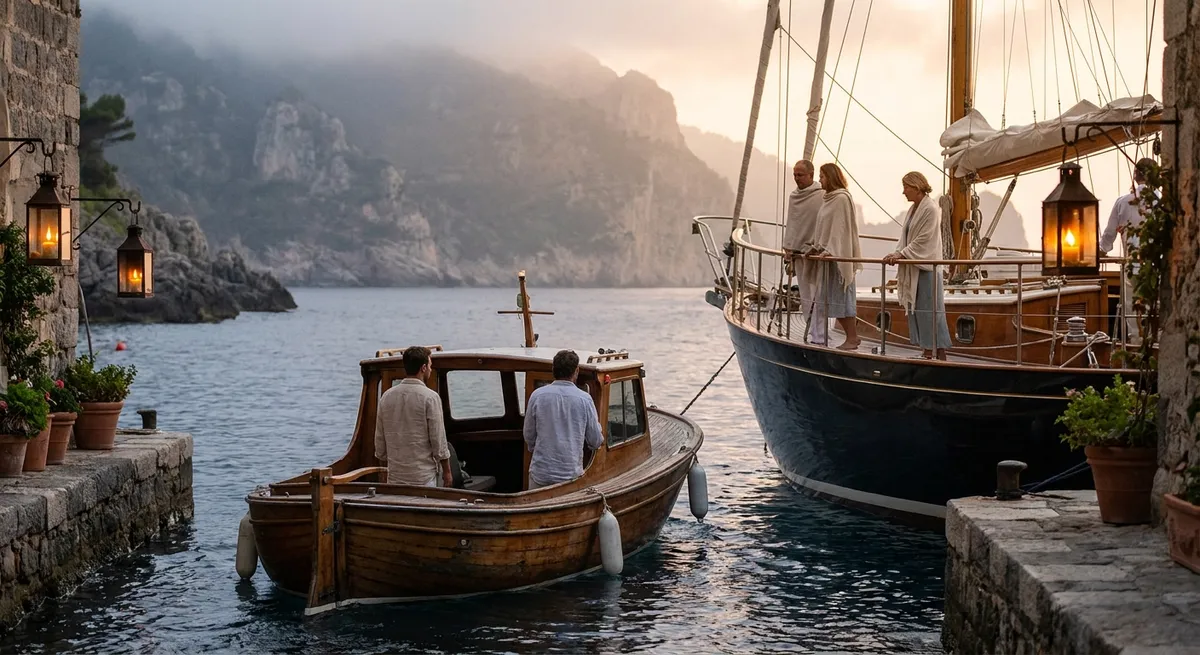
Many experienced travelers instinctively avoid tender ports, associating them with queues and inconvenience. Yet some of the most rewarding destinations remain accessible only by smaller craft, either to protect sensitive environments or preserve the integrity of historic harbors that cannot support large piers.
Instead of dismissing tender ports entirely, evaluate why a destination requires them. Favor those where:
- The tender ride itself offers scenic passage through coves, lagoons, or island clusters
- The drop-off point is nestled within a preserved historic town or natural reserve
- Local regulations limit dock construction to protect marine ecosystems or shoreline character
In such cases, the slight logistical compromise is more than offset by the sense of arrival into places that have consciously resisted overdevelopment. Smaller Greek islands, certain Norwegian fjord villages, and environmentally sensitive Pacific locations exemplify destinations where tendering is an indicator of value, not inconvenience.
Sophisticated cruise lines often enhance these experiences with quiet, well-appointed tenders, chilled towels on re-embarkation, and extended anchorage times to avoid rushing the experience. For the traveler who values atmosphere and preservation, the tender can signal that you are entering a destination still defined on its own terms.
Exclusive Insight #4: Study the Ship’s Berthing Time, Not Just Port Names
Astute cruisers increasingly understand that the published port name is only half the story; the true luxury is measured in hours and timing. Two itineraries may list the same destination, yet the experience can differ entirely depending on when and how long the ship remains alongside.
When evaluating destinations, pay close attention to:
- Time of day: An evening or overnight stay in a port like Quebec City, Valletta, or Bergen transforms the experience, allowing you to see the destination under changing light and after day-trippers have departed.
- Shoulder-season calls: Arrivals in late spring or early autumn may offer better access to restaurants, galleries, and local events without high-season congestion.
- Double days or late departures: Ports scheduled until late evening enable unhurried dining ashore, performances, or simply the luxury of lingering over a waterfront drink without watching the clock.
This temporal awareness also extends to natural destinations. Arriving in certain fjords or islands at dawn allows you to witness wildlife activity and atmospheric conditions—low-lying mists, shifting cloud formations—that rarely appear in mid-afternoon.
For the sophisticated traveler, a destination is not merely a coordinate; it is a choreography of light, sound, and activity over time. Selecting itineraries that maximize high-quality hours in port is one of the most effective, underused strategies for elevating a voyage without upgrading a cabin.
Exclusive Insight #5: Use Regional Events to Unlock the Destination’s True Character
While mass-market cruises often design itineraries around globally famous events—Carnival in Rio, New Year’s in Sydney—the more refined approach is to align sailings with regional festivals, cultural gatherings, and harvest seasons that reveal a destination’s private, less commodified self.
Examples include:
- Late-summer music festivals in smaller Baltic or Scandinavian towns
- Wine and olive harvest periods in the Mediterranean, when coastal villages come alive with local rituals
- Maritime festivals that celebrate traditional shipbuilding and seafaring in Atlantic or North Sea ports
Selecting such itineraries requires deeper research, but the reward is access to destinations at their most expressive and locally oriented, rather than in their most performative, tourist-facing mode. Evening stays become particularly valuable here, allowing you to slip into concerts, street processions, or seasonal dinners that rarely appear on standard shore excursion lists.
This approach also yields more nuanced conversations. Sit at a bar in a harbor town during its festival week, and the discussion will not be about cruise schedules but about vintages, catches, or longstanding neighborhood rivalries. In these moments, the port ceases to be a backdrop and becomes a living, breathing protagonist in your travel story.
Conclusion
For the truly discerning cruise traveler, choosing destinations is no longer about ticking off world capitals or chasing the latest “hidden gem” trending on social media. It is about reading between the lines of itineraries: noticing how a ship arrives, when it lingers, what trades shape the harbor, and which local rituals quietly animate the streets after the excursion buses have gone.
By following the indicators that mass tourism often ignores—working quaysides, theatrical approaches, thoughtfully managed tender ports, generous berthing times, and well-timed cultural events—you begin to assemble a portfolio of journeys that feel profoundly personal, even when shared with fellow guests. In this more cultivated mode of cruising, the ship is not an escape from the world, but a carefully considered conduit to its most enduring coastal expressions.
Sources
- UNESCO World Heritage Centre – World Heritage List - Authoritative registry of cultural and natural sites, many of which anchor distinguished cruise destinations
- European Commission – Sustainable Cruise Tourism - Insight into how European ports manage cruise traffic and protect historic harbors
- Cruise Lines International Association (CLIA) – 2024 State of the Cruise Industry - Industry overview with data on emerging regions and evolving destination trends
- Norwegian Fjords – Visit Norway Official Site - Detailed information on fjord regions, seasonal considerations, and port characteristics relevant to scenic approaches
- U.S. Department of State – Country Information - Comprehensive background on countries and regions that can inform port selection and timing
Key Takeaway
The most important thing to remember from this article is that this information can change how you think about Destinations.