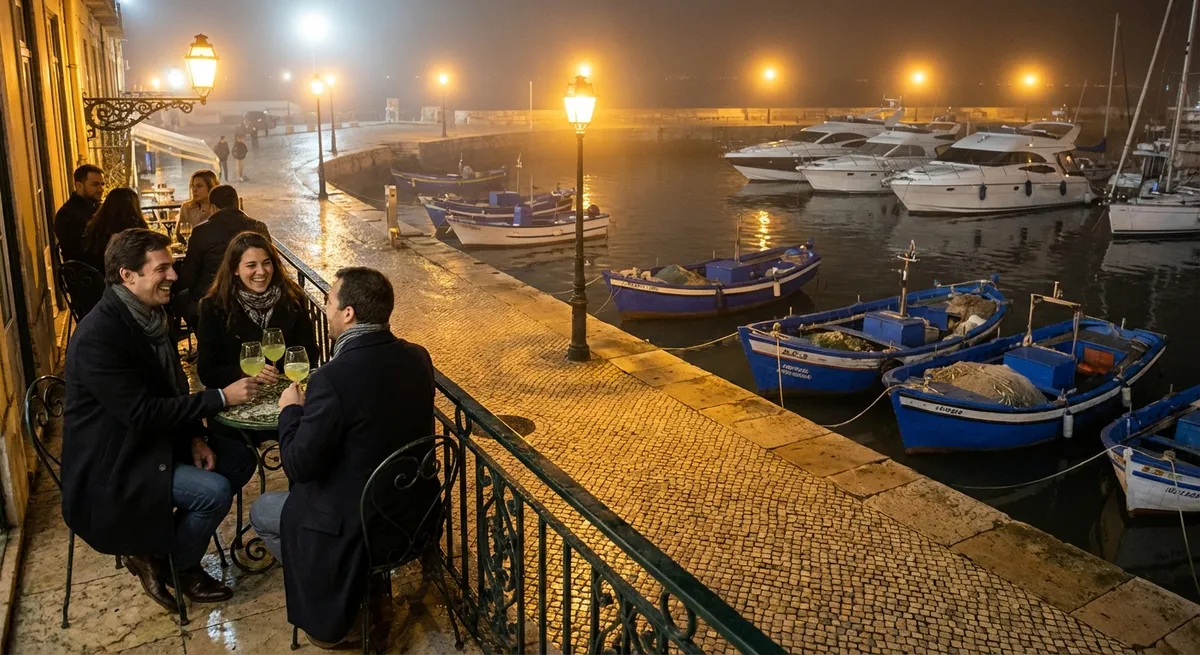
Some ports only reveal their true personality after sunset. The tour buses leave, day‑trippers melt away, and a quieter, more confident version of the city steps forward. For the discerning cruiser, these twilight hours can transform a pleasant port call into the defining memory of an entire voyage—if you know where to be, and when. This is not about chasing nightlife; it is about discovering the most nuanced, atmospheric side of the world’s great coastal cities when the crowds thin and the harbor lights begin to shimmer.
The Art of the Late Stay: Why Twilight Calls Change Everything
An itinerary that includes late departures or overnight stays immediately elevates a voyage. When your ship lingers in port past the golden hour, you gain access to experiences that are simply impossible during conventional daytime calls. The opera houses, small-plate wine bars, late-opening galleries, and intimate waterfront promenades that locals actually use start to animate the city’s rhythm.
From a planning standpoint, seeking out itineraries with multiple late stays is one of the clearest signals that a cruise is curated for travelers rather than tourists. It allows you to dine on land without clock‑watching, attend an evening performance without anxiety, and wander back aboard after the city has properly unfolded. For premium travelers, this pacing—unhurried, considered, and uncompressed—is often the difference between “checking off” a destination and truly absorbing it.
Coastal Cities That Reward Those Who Linger
Some ports are technically beautiful but largely diurnal; others become extraordinary precisely as the light fades. A few coastal cities consistently reward passengers who value twilight and beyond:
- Sydney: A dusk sail-away or late return into Sydney Harbour delivers a cinematic alignment of the Opera House, Harbour Bridge, and illuminated ferries. Pair it with an early evening performance at the Sydney Opera House and a harborfront drink at Circular Quay before you step back onboard.
- Barcelona: This is a city where the evening begins when many cruise passengers are already back at sea. In neighborhoods like El Born and Eixample, well-dressed locals fill wine bars and candlelit tapas counters from 9 p.m. onward. The effect is less about spectacle and more about joining a quietly confident urban ritual that rarely overlaps with daytime excursions.
- Hong Kong: The daily “Symphony of Lights” on Victoria Harbour is widely publicized, but the most rewarding element is the interplay of skyline, ferries, and neon side streets once the show ends. Rooftop lounges in Tsim Sha Tsui or Central give you a privileged perspective—not merely of the light show, but of the living, working harbor that underpins it.
- Vancouver: On bright summer evenings, the seawall, Coal Harbour, and English Bay form an elegant backdrop for sunset strolling. With the ship as your downtown hotel, you can enjoy a refined dinner in Yaletown or on Water Street and still return with time for a quiet nightcap on deck as the lights trace the shoreline.
Curating an itinerary around these night-forward cities adds a subtle but significant layer of depth to your cruising calendar, particularly if you prize ambiance over headcount and city character over postcard views.
Five Insidery Nighttime Rituals for the Refined Cruiser
For travelers who prefer their shore time unhurried and slightly under the radar, a few habits can open up a more sophisticated nocturnal side of each destination. These five insights are less about secret spots and more about knowing how to position yourself, quietly, for the best of the evening.
1. Book Dinner on Shore Only When the City Justifies It
The main dining room may be excellent, but occasionally the most memorable meal of a voyage happens at a linen‑topped table in a harbor city, when you know you can walk back to the ship under your own steam. Reserve on-shore dinners only in destinations where cuisine is central to the city’s identity—think fresh seafood in Marseille’s Vallon des Auffes, pintxos in San Sebastián, cicchetti in Venice, or izakaya in Kobe.
The distinction is not about cost, but about context. In ports known for strong culinary cultures, a well-timed dinner gives you proximity to local conversation, seasonal ingredients, and regional wines that rarely appear onboard. A refined strategy is to choose one or two ports per cruise for a fully committed evening ashore, rather than scattering casual meals throughout the itinerary.
2. Use Cultural Calendars, Not Brochures, to Shape Your Evenings
The most rewarding night experiences in port rarely appear on cruise line excursion lists. Instead, check the city’s cultural calendar several weeks before sailing. Major theaters, concert halls, and museums often host evening programs tailored to residents, not visitors—late museum openings in London’s South Kensington, ballet at St. Petersburg’s Mariinsky (when geopolitical conditions allow), or chamber concerts in Lisbon’s monasteries and palaces.
By anchoring one evening ashore around a performance or curated event, you shift from passive sightseeing to active participation in a city’s cultural life. It also naturally leads you to more interesting neighborhoods, where pre- or post-performance drinks and small plates unfold at a more local pace. You are not simply in port; you are in the city’s living room.
3. Embrace “Second Twilight” from the Open Deck
There is a distinctive, liminal period on any well-situated open deck shortly after 9 p.m., when families have retired, the pool is closed, and only a scattering of guests remain. In northern latitudes during summer—sailing out of Stockholm’s archipelago or along Norway’s fjords—this “second twilight” can feel almost private. The sky never quite darkens, and the coastline passes by in poetic silhouette.
Seasoned cruisers often time their evenings to reclaim this interval: an early, unhurried dinner ashore or onboard, then a quiet return to the upper deck with a glass of wine or espresso as the ship threads its way between islands or slips past lighthouses and anchored yachts. It is not a scheduled activity, but a practiced ritual of presence—one that turns a simple sail-away into a refined, almost meditative experience.
4. Choose Overnight Ports That Transform at Night, Not Just Extend Them
Not all overnights are created equal. Some ports feel like an extended day; others metamorphose entirely once the sun sets. When considering itineraries, look beyond the promise of “overnight in port” and ask what the city does with its evening hours.
Cities like Buenos Aires, Istanbul, or Quebec City become texturally different at night: tango in San Telmo’s late-night milongas, illuminated mosques and Bosphorus breeze in Istanbul, or cobblestone streets glowing under gas lamps in Old Quebec. In these places, an overnight stay is not simply convenient—it is essential to understanding the destination’s true tempo. Prioritizing routes that pair such ports with overnights is a subtle, sophisticated way to elevate your cruise calendar.
5. Learn the Waterfront’s “Backstage” Layer
Every harbor has two faces: the polished waterfront designed for visitors and the quieter, operational side that locals frequent. Evening is often when the backstage layer becomes interesting rather than purely industrial. In working ports like Genoa, Naples, or Piraeus, wandering just one or two streets behind the main quay leads to cafés where dockworkers, office staff, and neighborhood residents unwind over simple plates and local wine.
The key is discretion and awareness—choosing well‑lit streets, watching where families and couples go, and favoring small, long-established venues over anything aggressively themed. This is not about seeking grittiness; it is about appreciating that ports are living ecosystems, and that a quiet glass of wine or espresso in a place where the harbor’s real conversations happen can be far more memorable than any marquee attraction.
Designing a Voyage Around Night-Focused Destinations
For travelers who recognize that evenings are when destinations breathe most naturally, the next step is to design voyages around these twilight strengths. Look to itineraries that:
- Include multiple late departures and overnights in culturally rich ports rather than a rapid succession of short calls.
- Balance grand harbor cities (Hong Kong, Sydney, Barcelona) with characterful smaller ports (Kotor, Valletta, Bergen) where the historic center remains accessible by foot even at night.
- Prioritize shoulder seasons, when dusk falls earlier, city streets are less crowded, and restaurant reservations are easier yet still vibrant.
- Offer flexible dining onboard, allowing you to slip away early or late without friction, depending on what each port’s evening promises.
An evening-centric approach to port exploration does not demand constant activity; rather, it favors intentional, well-chosen experiences. One thoughtfully curated night in Hong Kong or Barcelona—a rooftop drink, a performance, a simple late dinner among locals—can tell you far more about a city than a full day of bus tours.
Conclusion
The most memorable cruise destinations are not always the ones with the grandest monuments or postcard vistas. They are often the cities and harbors that reveal an entirely different character once the day cools and the lights come up along the waterfront. For the refined cruiser, this is where a voyage becomes less about transit and more about conversation—with a city, with a coastline, with the sea itself.
By seeking late stays and overnights, curating one or two carefully chosen evenings ashore, and embracing the quiet grandeur of the ship’s open decks after dark, you can turn each port from a daytime stop into a layered, nocturnal encounter. In the gentle collision of harbor light, distant music, and the soft hum of the ship at the pier, the true luxury of cruising quietly comes into focus: unhurried time in the world’s great coastal cities, precisely when they are at their most compelling.
Sources
- [Port of Sydney – Sydney Harbour Information](https://www.portauthoritynsw.com.au/ports-and-facilities/sydney-harbour/) – Official details on Sydney Harbour’s cruise facilities and harbor layout
- [Hong Kong Tourism Board – Symphony of Lights](https://www.discoverhongkong.com/eng/explore/attractions/symphony-of-lights.html) – Overview of the nightly harbor light show and viewing tips
- [Barcelona Turisme – Official Tourism Website](https://www.barcelonaturisme.com/wv3/en/) – Information on neighborhoods, dining, and cultural offerings in Barcelona
- [Tourism Vancouver (Destination Vancouver)](https://www.destinationvancouver.com/) – Insights into Vancouver’s waterfront districts, seawall, and evening activities
- [UNESCO World Heritage Centre – Historic District of Old Québec](https://whc.unesco.org/en/list/300) – Background on Old Quebec’s historic core and its urban character
Key Takeaway
The most important thing to remember from this article is that this information can change how you think about Destinations.