In the upper tiers of cruising, the conversation quietly shifts from “Where are you sailing?” to “Who are you sailing with?” The choice of cruise line has become less about branding and more about philosophy: how a company interprets service, space, silence, and spontaneity at sea. For discerning travelers, the true differentiator is not a single amenity, but a carefully choreographed ecosystem of details that makes a ship feel less like a vessel and more like a private world.
This is a look at cruise lines through a more refined lens—how they are quietly rethinking design, dining, privacy, and personalization—and five exclusive insights that seasoned cruise enthusiasts will recognize, and newcomers will come to expect.
The New Signature of a Cruise Line: Atmosphere, Not Amenities
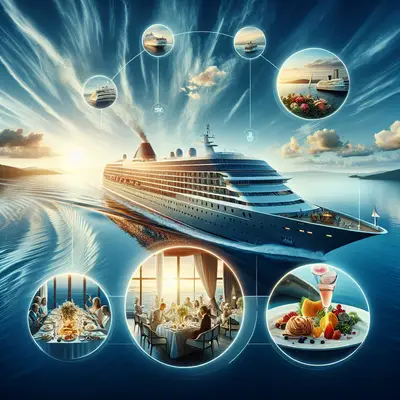
The most sophisticated cruise lines no longer define themselves by waterparks, Broadway shows, or headline-grabbing hardware. Instead, they craft an atmosphere: a sustained mood that begins the moment you arrive at the terminal and lingers long after disembarkation.
For premium and luxury lines, this means a deliberate balancing act between intimacy and scale. Ships are being designed with layered spaces rather than grand gestures—quiet corners in observation lounges, residential-style suites with thoughtful lighting, and promenade decks wide enough to feel like waterfronts rather than corridors. The atmospheres on lines such as Seabourn, Regent Seven Seas Cruises, Silversea, and Viking differ subtly, yet they all prioritize coherence: the bar menu matches the décor, the fragrance in the corridors is chosen to be memorable but never overwhelming, and art collections are curated to tell a story rather than simply decorate bulkheads.
The result is that connoisseurs often speak about a line’s “feel” before they talk about itineraries or inclusions. While mass-market ships compete on spectacle, the premium and luxury segment increasingly competes on emotional resonance—how calm, considered, and personally relevant the onboard world feels.
Culinary Direction: From “Fine Dining at Sea” to Gastronomic Identity
Once upon a time, “fine dining at sea” meant white tablecloths, consommé, and a formal night. Today, the most respected cruise lines are not just reproducing a land-based gourmet experience; they are cultivating a true culinary identity.
Partnerships with Michelin-starred chefs and celebrated restaurateurs have become more nuanced, moving beyond name recognition to full culinary narratives. On some lines, the specialty restaurants collectively tell a regional story—Mediterranean seafood approached with Nordic restraint, for instance, or Asian tasting menus that mirror the ports of call on an extended voyage. Menus evolve with the itinerary, and high-end lines are investing heavily in sourcing: fresh produce flown or brought onboard mid-cruise, artisanal cheeses from small European suppliers, craft spirits and natural wines that reflect a ship’s seasonal “home waters.”
Equally important is the disappearance of rigid formality in favor of quiet excellence. Many of the most sophisticated venues now feel like high-end city restaurants—elegant but relaxed—where staff remember not only how you like your martini, but also which courses you prefer to skip. Breakfast can be as studied as dinner, with à la carte options, made-to-order smoothies, or regionally inspired dishes that change daily. In this new era, each cruise line is in effect editing its own cookbook—one that expresses its personality as clearly as its logo does.
Space, Silence, and the Art of Intelligent Ship Design
Among refined cruisers, square footage per passenger is one of the most quietly scrutinized metrics. It’s not a vanity figure; it translates directly into how a ship feels at peak times. Premium and luxury cruise lines often operate with significantly higher space ratios than their mass-market counterparts, and the sharpest among them are learning to “hide” people in plain sight.
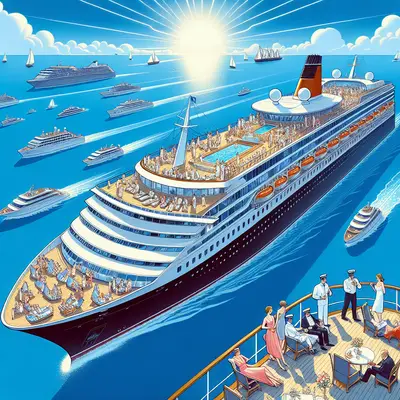
Design innovations include tiered deck plans that scatter pools, hot tubs, and lounges across multiple levels, eliminating the sense of a single, overcrowded hub. Public areas are broken into smaller zones: a lounge is divided into subtly distinct “rooms” via lighting, seating, and sight lines; a single restaurant can feel like three different spaces depending on where you sit. Outdoor promenades are being reclaimed as purposeful spaces, outfitted with daybeds, private nooks, and wind-sheltered vantage points for sailaways and scenic cruising.
Noise management has also become a quiet obsession. Thicker partitions between suites, redesigned HVAC systems that reduce mechanical hum, and acoustic treatments in show lounges all contribute to that elusive sense of calm. On the more elevated lines, you’ll notice what you don’t hear: casino clamor is contained, late-night venues are acoustically cocooned, and suite corridors remain almost library-level serene, no matter what’s happening elsewhere on board.
Behind the Curtain: The Precision of Personalized Service
The most sophisticated cruise lines are moving from reactive service—responding graciously when asked—to anticipatory service that operates almost like choreography. While this has always been the aspiration in luxury hospitality, cruise lines now have an unprecedented advantage: data, used subtly and intelligently.
Frequent guests may find that their preferred table size, pillow type, or favorite pre-dinner drink is remembered voyage after voyage. But onboard, the best lines manage to keep this personalization human, not algorithmic. Butler and suite-host teams communicate discreetly about guest preferences, while restaurant maitre d’s adjust seating plans over the course of a sailing as they observe who gravitates toward quiet corners and who prefers a more social table. On select lines, pre-cruise questionnaires are increasingly detailed—asking about sleep routines, dietary nuances, and even reading preferences—not to crowd guests, but to give staff the ability to offer relevant options without imposing.
The emphasis is shifting from flamboyant gestures to thoughtful constancy: coffee arriving exactly as you like it before you think to ask, a favorite dessert quietly reappearing on a night when it’s no longer on the menu, or a shore excursions team proactively suggesting an off-peak departure time to avoid crowds. In this environment, guests feel recognized, not surveilled—and that distinction is rapidly becoming a key marker of which cruise lines truly understand refined service.
Five Exclusive Insights Seasoned Cruise Enthusiasts Already Know
The aficionados—the passengers who speak casually about repositioning voyages and world segments—tend to share a set of unspoken insights about cruise lines. These are the subtleties that rarely appear in brochures, yet shape the onboard experience more than any headline perk.
1. The Ship’s “Soul” Often Resides in Its Smallest Venues
Those who sail frequently know that a cruise line’s personality is clearest in its smallest spaces: the jazz bar with a resident trio, the quiet library curated with actual intent, the aft lounge with panoramic wake views. These intimate venues reveal whether a line values depth over spectacle. The music selection, library curation, and bar conversation say more about the brand’s cultural sensibility than any theater production.
2. Itinerary Design Reveals a Line’s True Priorities
Enthusiasts have learned to read between the lines of itineraries. Port times, overnights, and tender-versus-dock decisions all indicate a cruise line’s operational philosophy. Lines that consistently secure late departures from marquee ports, arrange overnights in culturally rich cities, or favor docking over tendering when feasible are demonstrating a quiet respect for immersive travel rather than box-ticking port counts.
3. Crew Tenure Is a Better Indicator Than Star Ratings
Savvy cruisers pay attention to how often they encounter returning crew. High crew retention and familiar faces suggest a well-run line with a healthy onboard culture. On the most respected brands, guests will find that sommeliers, butlers, and waitstaff not only remember them, but have grown in their roles over the years—an organic continuity that no design refresh can replicate.
4. The “Middle Categories” Can Be the Smartest Luxury
While top suites garner the attention, experienced travelers know that many lines have “hidden gem” categories: forward-facing or aft-corner suites with expansive views, slightly larger balcony staterooms tucked into transitional deck spaces, or spa cabins with complimentary access to thermal suites. On some ships, these categories deliver 80–90% of the ultra-luxury feel at a fraction of the price of the top-tier accommodations.
5. A Line’s Shore Philosophy Is Now as Important as Its Ship
The most discerning guests scrutinize how cruise lines behave on land. Are shore excursions designed to disperse guests across multiple experiences rather than funnel everyone into the same landmark at the same hour? Are there small-group or private options that favor local guides and family-run businesses? Increasingly, premium lines are differentiating themselves through sustainable, culturally respectful shore programming—something veteran cruisers now weigh almost as heavily as onboard amenities when choosing a brand.
The Quiet Evolution of Luxury at Sea
The contemporary cruise landscape is a study in contrasts: mega-ships that resemble floating resorts, ultra-luxury vessels that feel like private yachts, and a wide spectrum in between. For the traveler who values nuance, the real story lies not in size, but in sensibility. Today’s most considered cruise lines are moving beyond clichés of opulence to offer something far more compelling: a seamless, deeply comfortable way of being at sea.
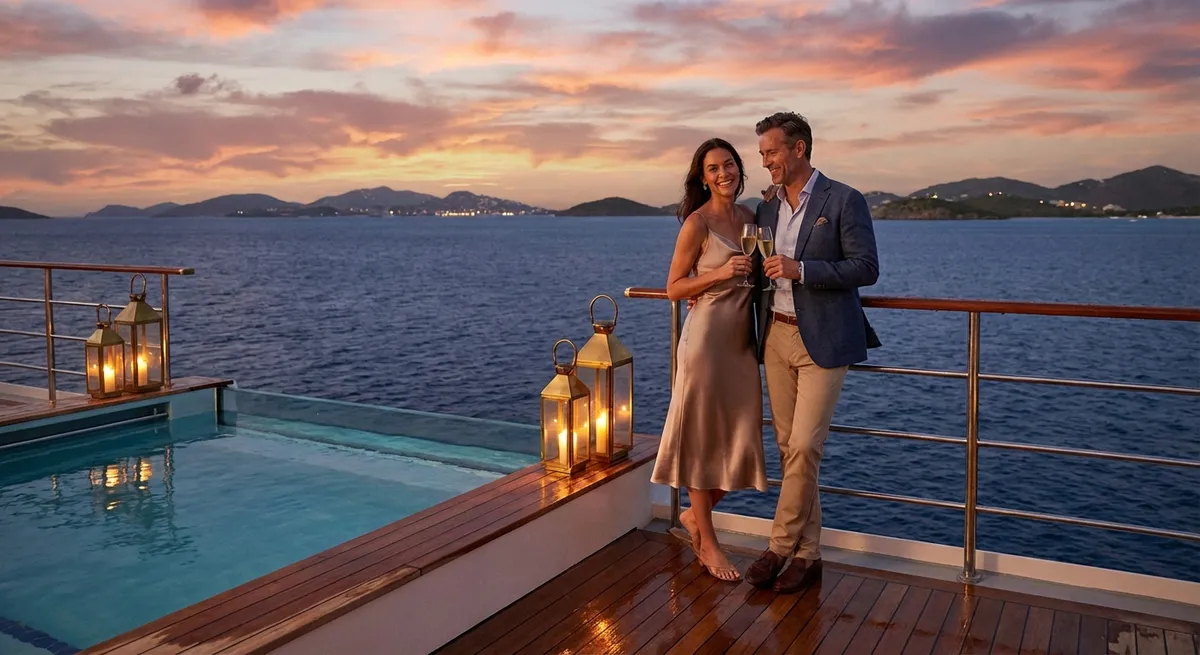
From intelligent design and gastronomic identity to long-tenured crews and deliberately curated itineraries, the finest lines understand that luxury is experienced in fragments—the quiet early-morning coffee on deck, the perfectly paced dinner, the shore excursion with just eight guests and a guide who truly knows the city. For those willing to look past marketing superlatives, the reward is a fleet of cruise lines that no longer simply take you to places, but refine how you inhabit them.
Sources
- CLIA: 2024 State of the Cruise Industry Report - Industry data on capacity, traveler trends, and evolving cruise preferences
- U.S. Department of Transportation – Maritime Administration - Background on port infrastructure and operations affecting docking, tendering, and itinerary design
- Viking Cruises – Ocean Fleet Overview - Example of small-ship, adult-focused design philosophy, public spaces, and atmosphere
- Seabourn – Culinary Partnerships - Insight into how premium lines are elevating and defining their gastronomic identity
- Cornell University School of Hotel Administration – Hospitality Service Excellence - Research-driven perspective on anticipatory service and guest experience in luxury hospitality
Key Takeaway
The most important thing to remember from this article is that this information can change how you think about Cruise Lines.