For the seasoned cruiser, excellence at sea is no longer defined by chandeliers and square footage alone. The most compelling cruise lines today are curating experiences with the nuance of a grand hotelier and the precision of a Michelin-level restaurateur. Beyond itineraries and hardware, a quieter revolution is underway—one shaped by design, service, and a deep understanding of what it means to feel genuinely cared for far from shore.
Below, we explore five under‑the‑radar dynamics that distinguish the world’s most cultivated cruise lines—insights that frequent cruisers will recognize, and first‑time luxury travelers will quickly learn to seek out.
The Signature of a Line: Design as a Silent Promise
Among true connoisseurs, the first impression of a ship is not the atrium—it is the coherence of its design language. Refined cruise lines increasingly treat each vessel as a complete, curated environment rather than a floating resort. Art collections are commissioned with a theme in mind; materials are selected not merely for durability, but for their tactility, acoustics, and the way they age under sea light.
In the top tier, you will notice a deliberate restraint: warm, residential textures instead of high‑gloss spectacle; corridors softened by indirect lighting; public rooms that remain acoustically calm even when full. This is not minimalism for its own sake, but a considered backdrop that allows guests—and destinations—to remain the focus.
The most interesting lines work with a consistent cadre of architects and interior designers, evolving a recognizable house style from ship to ship. Loyal guests quickly learn these subtle cues: the curve of a bar, the proportions of a lounge, the way daylight is channeled into interior spaces. Such continuity forms an unspoken promise: wherever you embark, the vessel will “speak” the same design dialect, adapted to a new class or itinerary but always legible and reassuring.
For the discerning cruiser, exploring these design signatures becomes a form of connoisseurship in its own right—one that often explains why certain lines inspire devotion that far outlasts any single voyage.
Service as Art: The Invisible Architecture of Anticipation
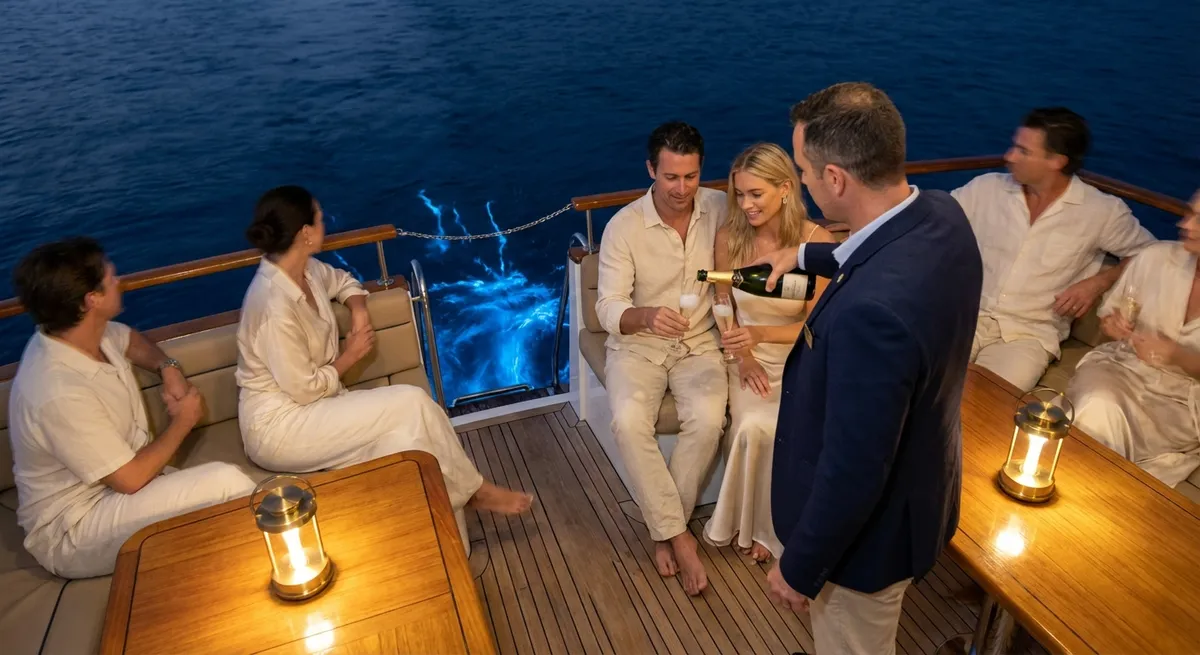
Ask experienced luxury cruisers why they return to a particular line, and the answer is rarely “the hardware.” It is the invisible architecture of service: the butler who adapts your in‑suite dining to your jet lag without being told, the sommelier who remembers how you prefer your wine served two sailings later, the steward who times turndown to your evening rhythm without ever intruding.
The top cruise lines operate on a refined triad: training, continuity, and empowerment. Training ensures staff share a common vocabulary of hospitality; continuity—achieved when crew are retained season after season on the same ships—allows relationships to mature; empowerment gives front‑line staff the discretion to resolve issues or create small, personalized gestures without layers of approval.
Luxury at sea is often measured not by how many people are serving you, but by how seldom you must ask for anything at all. When service is truly refined, it is almost cinematic: you move through the ship and the environment seems to adjust around you—lighting, pacing, temperature, music—without fanfare.
Cultivated cruisers learn to recognize these patterns. They notice when crew are given time and structure to care, rather than being rushed from task to task. They observe how staff handle a missed port, a dietary complication, a medical concern at midnight. In those unscripted moments, the true character of a cruise line’s service culture reveals itself.
Culinary Depth Beyond the Menu: Quiet Excellence at the Table
The language of “gourmet dining at sea” has been overused, but beneath the marketing lies a genuine culinary divergence between cruise lines. The most refined are moving beyond quantity and theatrics, focusing instead on sourcing, technique, and coherence of vision.
You will see it in the bread, served still warm with a crust that speaks of time and proper fermentation. In the balance of a simple consommé, clarified to crystal and seasoned with restraint. In the decision to simplify a menu on a rough‑sea evening, placing digestibility above excess. These are signs of a culinary operation led by chefs, not brand managers.
More quietly, the best lines invest heavily in supply chain logistics: flying in key ingredients at specific ports, partnering with coastal farms and fisheries, adjusting menus to reflect the waters being sailed. A Mediterranean itinerary might feature oil from a single regional mill; an Alaska voyage may include salmon sourced hours from the deck.
A nuanced cruise line also understands that not every meal must be elaborate. Breakfasts that respect early risers and late sleepers alike, room‑service menus that are precise rather than encyclopedic, and the ability to deliver a perfectly simple grilled fish or a thoughtfully composed salad at any hour—all of these matter deeply to guests who travel frequently and value equilibrium as much as indulgence.
For enthusiasts, paying attention to the small plates—soups, sides, bakery items, simple desserts—often reveals more about a line’s culinary standards than any gala dinner ever could.
Itineraries with Intent: When Routes Reflect a Philosophy
While many ships still chase the same marquee ports, a distinct class of cruise lines now approaches routing as an editorial exercise, not a logistics problem. These itineraries read like carefully structured narratives: a thematic progression along wine regions, a slow unfurling through lesser‑known islands, or a considered juxtaposition of major capitals with overlooked coastal enclaves.
Frequent cruisers quickly discern which lines design for spectacle and which design for depth. The former prioritize iconic skylines and quick photo stops. The latter build in late‑night stays, overnights, and off‑peak calls that let guests experience destinations when day‑trip crowds have evaporated and the city resumes its own rhythm.
The most thoughtful lines also recognize that sea days are not filler but integral chapters of the journey. On these days, programming aligns with the itinerary: lectures that connect upcoming ports to history and geopolitics; tastings that preview local wines; workshops that deepen appreciation for regional crafts and traditions.
Another subtle marker of sophistication is how a line responds when weather or geopolitical events force a change. Some have robust contingency planning that substitutes ports with equally meaningful alternatives, preserving the thematic integrity of the voyage. Others simply reroute. For the connoisseur, this difference becomes evident over multiple sailings and often dictates long‑term loyalty.
The New Currency: Space, Silence, and Time
Beyond luxury’s visible symbols, cultivated cruisers increasingly prize three intangible currencies: private space, true quiet, and unhurried time. The most refined cruise lines now treat these as design objectives, not incidental by‑products.
Space is no longer defined just by suite size, but by the ratio of guests to public areas, the availability of semi‑private corners, and the ease with which one can enjoy solitude without retreating entirely. Libraries that remain sanctuaries, observation lounges that never feel crowded at sunset, terraces where conversations can unfold without competing with amplified music—these are the new indicators of grace at sea.
Silence, particularly, is becoming a signature amenity. Sophisticated lines are vigilant about sound management: thoughtful placement of entertainment venues, vibration control in engine and mechanical spaces, and clear quiet‑zone policies that are actually maintained. On such ships, you become aware not of an absence of sound, but of an acoustic balance that enables conversation, reflection, and rest.
Time is felt in the pacing of the day. Look for lines that resist the temptation to overschedule, allowing guests to create their own cadence. Dining without rigid turns, spa appointments that are not compressed to the minute, shore days with buffers before evening events—these signal an understanding that luxury is as much about what you are not forced to do as what is offered.
For those who cruise often, these three elements—space, silence, and time—tend to matter more with each passing voyage. They also explain why some ships with understated décor and modest publicity quietly earn a place in the private rankings of the world’s most discerning travelers.
Conclusion
The finest cruise lines today distinguish themselves not by louder statements, but by finer calibrations: thoughtful design, deeply human service, culinary seriousness, intentional itineraries, and a profound respect for their guests’ inner lives. For the cultivated cruiser, recognizing these nuances transforms a voyage from a pleasant escape into a sustained experience of ease and meaning.
As new ships and brands debut, marketing language will continue to blur distinctions. The true markers of excellence, however, remain discernible to those who know where to look—and who value, above all, the rare feeling of being quietly and completely looked after at sea.
Sources
- Cruise Lines International Association (CLIA) – 2024 State of the Cruise Industry - Industry overview, trends in itineraries, guest preferences, and fleet development
- U.S. Department of Transportation – Cruise Ship Travel Consumer Information - Official guidance on cruising, including consumer rights and considerations
- Harvard Business Review – The Elements of Good Customer Service - Framework for understanding service culture and anticipation, relevant to analyzing cruise line hospitality
- Johnson & Wales University – Culinary Arts Program Overview - Insight into professional culinary standards and training that inform high‑end dining programs at sea
- UN World Tourism Organization (UNWTO) – Tourism and Coastal/Marine Destinations - Context on coastal tourism, port calls, and destination management impacting cruise itineraries
Key Takeaway
The most important thing to remember from this article is that this information can change how you think about Cruise Lines.