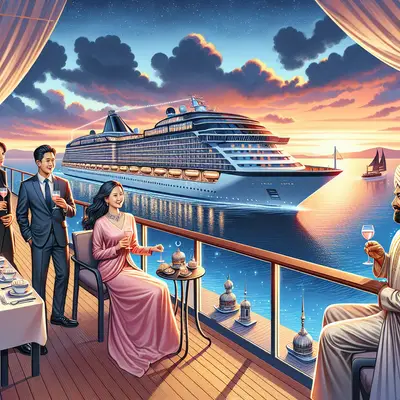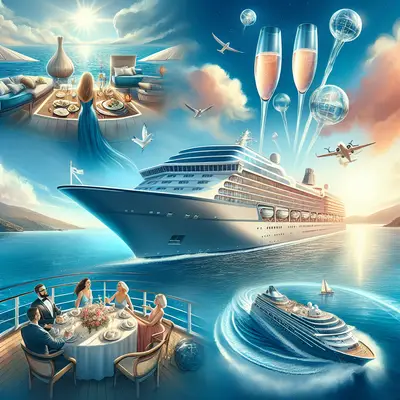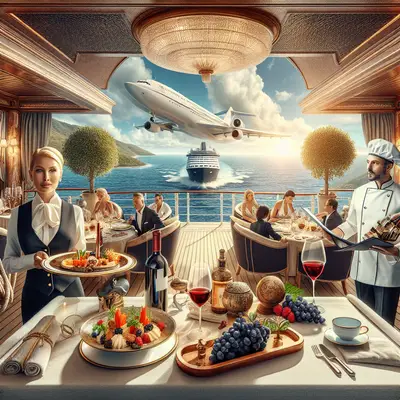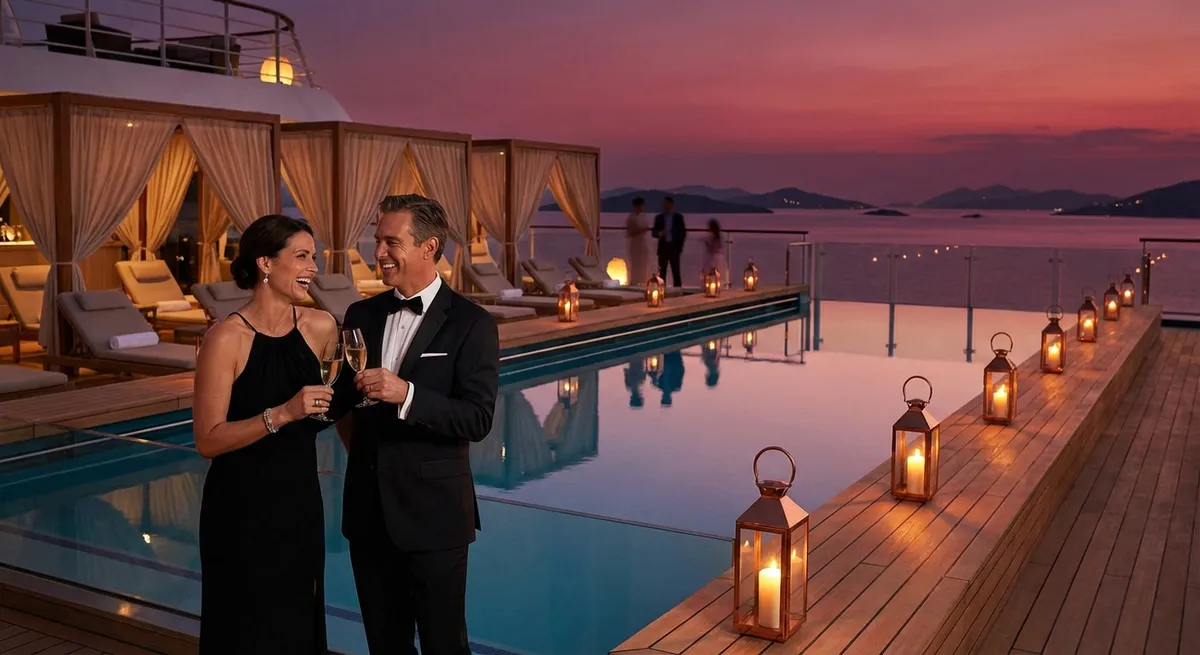
Luxury cruising has moved far beyond champagne pyramids and chandeliered atriums. Today’s most refined voyages are defined less by spectacle and more by nuance: intelligent design, quietly intuitive service, and experiences that feel thoughtfully edited rather than lavishly overdone. For travelers who view the ship as both sanctuary and springboard to the world’s most compelling coastlines, understanding these subtleties can mean the difference between an enjoyable sailing and an unforgettable one.
Below, we explore five exclusive insights shaping the upper tiers of modern cruise luxury—details that seasoned connoisseurs increasingly seek, and that discerning newcomers quickly learn to appreciate.
The Art of Space: Why True Luxury Is Measured in Square Meters
On a genuinely upscale vessel, space is more than a specification on a deck plan; it’s an ethos that frames the entire voyage. High-end cruise lines now treat square footage as a design language, using it to create a sense of privacy and ease that you feel the moment you step aboard. Wide corridors, tall ceilings, and understated décor absorb rather than amplify noise, cultivating an almost residential calm even when the ship is near capacity.
Top-tier suites increasingly resemble curated apartments: walk-in wardrobes designed for proper unpacking on long itineraries, bathrooms with double vanities and full soaking tubs, and generous verandas that function as open-air salons rather than narrow viewing ledges. Public areas follow the same philosophy—fewer loungers around the pool, quieter corners in observation lounges, and restaurants with tables spaced to encourage conversation without eavesdropping.
The difference is especially striking on ships with a high space-to-guest ratio, where density is deliberately kept low. On these vessels, you are less likely to “queue” for anything: tender boats, specialty dining, even fitness equipment are orchestrated to disperse guests seamlessly. For travelers who value serenity as much as scenery, that spatial generosity becomes the defining mark of a truly luxurious sailing.
Culinary Precision: From Grand Dining Rooms to Micro-Seasonal Menus
While quantity and variety still impress on mainstream ships, the luxury sector has shifted decisively toward precision and provenance. The most elevated lines have culinary programs that resemble fine hotels in major capitals: partnerships with Michelin-starred chefs, onboard test kitchens, and menus that change not only by day, but by region and season.
Instead of vast buffets, you’ll increasingly find intimate venues with tightly edited menus, each with a clear culinary identity—perhaps a quietly ambitious Nordic-inspired restaurant, a contemporary Japanese counter, or a refined Mediterranean brasserie highlighting coastal catch from the day’s ports. Ingredient sourcing has become almost a point of pride: olive oil from a specific producer in Crete, truffles from a known forager in Piedmont, line-caught seafood from local cooperatives.
For enthusiasts, an under-the-radar pleasure is the rise of micro-experiences around food: a pastry chef quietly unveiling a different signature dessert each afternoon; a sommelier hosting a three-table, invitation-only tasting showcasing emerging producers rather than trophy labels; a chef leading a market tour in port followed by a small-group cooking demonstration back on board. This shift from volume to curation means the most memorable meals often happen in unexpected, deliberately intimate moments rather than in the main dining room at eight o’clock sharp.
Tailored Shore Experiences: Beyond the Standard Excursion
In the realm of shore experiences, the true luxury now lies in personalization and depth. Where once excursions were largely standardized bus tours, the premium end of the market has embraced highly tailored ashore programs that feel more like private arrangements than group activities.
Many luxury lines now employ dedicated destination concierges whose sole role is to calibrate your time in port: arranging after-hours museum access, securing a lunch reservation at a discreet local favorite, or coordinating a private guide with expertise in a niche interest—whether that’s contemporary architecture, regional wine, or maritime history. For repeat visitors, this can mean bypassing classic “highlights” tours altogether in favor of hyper-specific pursuits: a perfumer’s atelier in the South of France, a modern gallery crawl in Lisbon, or a walk through a working vineyard rather than its tasting room.
Another quiet evolution is the increasing alignment between ship and shore. Itineraries are being structured for meaningful port time—fewer rushed stopovers, more late-night or overnight calls in cities like Stockholm, Barcelona, or Singapore. On select voyages, the most exclusive events are limited to a handful of guests: dinner at a private palazzo, a string quartet in a centuries-old chapel, or a yacht tender to a secluded anchorage for sunset. These experiences aren’t about conspicuous extravagance; they’re about access, timing, and the gentle sense that you’re seeing a destination from just slightly behind the velvet rope.
The New Intimacy of Service: Anticipation Over Attention
Traditional luxury at sea was often signaled by visible abundance: many uniformed crew members, formal rituals, and layers of ceremony. Contemporary high-end cruising has refined that model into something quieter and more attuned—a style of service that privileges anticipation over constant attention.
On the most polished ships, staff are trained not only in hospitality basics but in the subtler arts of observation: noting your preferred table by day two, remembering that you take your coffee black after dinner but with milk at breakfast, discreetly adjusting your pillow preferences or minibar contents without the need for repeated requests. The goal is to remove friction so thoroughly that you barely notice the mechanisms behind your comfort.
Butler service, where offered, has similarly evolved. Rather than theatricality, the best butlers now act as personal logistics experts and experience curators: orchestrating in-suite dining with courses timed to your own rhythm, managing pressing and laundry before you think to ask, arranging a private ship tour with the chief engineer because you expressed a passing interest in maritime design. This level of intimacy requires discretion, and the finest crews understand when to be present—and when to discreetly withdraw.
For cruise enthusiasts accustomed to traditional formality, this new service paradigm can feel almost understated at first. Over the course of a voyage, however, its value becomes unmistakable: fewer decisions, fewer reminders, and a sense of being genuinely known rather than generically attended to.
Discreet Innovation: Technology That Serves, Not Showcases
The most sophisticated luxury ships are quietly tech-forward—but far less inclined to advertise it. Instead of towering water slides and high-decibel virtual reality arenas, innovation is directed toward enhancing comfort and control in subtle ways that align with a refined onboard ambiance.
In-suite, this may translate to near-silent climate systems, intuitive lighting scenes tailored to different times of day, and entertainment platforms that remember your preferences and resume precisely where you left off. Contactless technology—keyless suite entry, app-based restaurant reservations, digital embarkation processes—has been fine-tuned to feel invisible, reducing wait times and paperwork without ever requiring you to stare at your phone if you’d rather not.
Behind the scenes, a growing number of luxury lines are investing in sustainability-led engineering: advanced wastewater treatment, optimized fuel usage, and shore power connectivity where available. While the technical details may be complex, their impact on the guest experience is simple yet profound—cleaner air on deck, quieter navigation near sensitive coastlines, and itineraries that increasingly include destinations committed to responsible tourism.
For discerning travelers, the mark of well-deployed technology is that it recedes into the background. You rarely notice it as a feature, but you consistently feel its benefits: fewer lines, smoother embarkation, better sleep, and a ship that functions with almost residential ease—even as it crosses oceans.
Conclusion
Luxury cruising today is defined not by volume, spectacle, or overt extravagance, but by coherence: a thoughtful alignment of space, cuisine, service, shore experiences, and technology that together create a voyage both deeply comfortable and quietly memorable. For serious cruise enthusiasts, the joy lies in recognizing these subtleties—the generous spacing of loungers on a quiet morning, the provenance note on a seemingly simple appetizer, the way a destination program feels written just for you.
As the industry continues to evolve, the most coveted sailings will belong to ships and itineraries that understand this new language of refinement. They will feel less like floating resorts and more like impeccably run, far-reaching private clubs—where every crossing, coastal meander, and late-night arrival is choreographed not merely for impression, but for genuine pleasure.
Sources
- [Cruise Lines International Association (CLIA) – 2024 State of the Cruise Industry](https://cruising.org/en/news-and-research/research/2024/state-of-the-cruise-industry-2024) - Industry overview with insights on luxury trends, sustainability, and guest expectations
- [Silversea Cruises – S.A.L.T. (Sea and Land Taste) Program](https://www.silversea.com/salt-culinary-program.html) - Example of destination-focused, curated culinary programming at the luxury level
- [Regent Seven Seas Cruises – Space Ratios and Suite Details](https://www.rssc.com/experience/luxury-ships) - Illustrates how high space-to-guest ratios and suite design define modern luxury at sea
- [U.S. Environmental Protection Agency – Shore Power Technology for Ports](https://www.epa.gov/ports-initiative/shore-power-technology-assessment-us-ports) - Background on shore power and environmental innovations increasingly used by upscale cruise lines
- [Harvard Business Review – The Value of Customer Experience, Quantified](https://hbr.org/2014/08/the-value-of-customer-experience-quantified) - Explores how anticipatory, personalized service (relevant to luxury hospitality and cruising) builds satisfaction and loyalty
Key Takeaway
The most important thing to remember from this article is that this information can change how you think about Luxury Cruises.