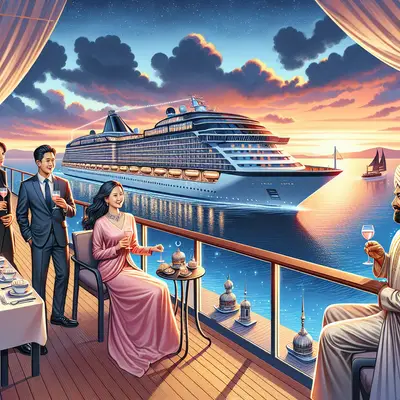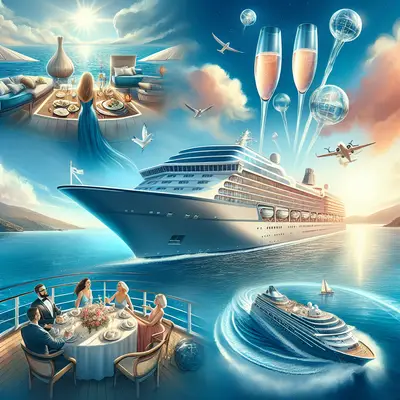
In the world of luxury cruising, the true distinction is rarely found in glittering chandeliers or headline shows. It lives instead in the quiet choreography behind every immaculate canapé, the stillness of a private terrace at dawn, and the recognition of your preferences before you have voiced them. For discerning travelers, a luxury cruise is not a floating resort—it is a meticulously curated journey where time, space, and service are subtly reimagined. This is an exploration of the refined details and understated rituals that separate a merely pleasant cruise from a profoundly cultivated voyage at sea.
The Architecture of Space: Why Ship Design Matters More Than Suite Size
Seasoned luxury cruisers know that square footage is only the most visible metric of comfort. The deeper luxury lies in how a ship’s architecture frames your experience of time, privacy, and the sea itself.
On small and ultra-luxury ships, circulation is carefully orchestrated so that you rarely feel part of a crowd. Staircases are placed to divert foot traffic away from quiet lounges; corridors subtly widen near elevators to avoid bottlenecks; sound-insulated partitions protect staterooms from the low thrum of nightlife venues. Public rooms are “zoned” not only by function but by atmosphere—softly lit libraries adjacent to champagne bars, outdoor terraces that shelter you from the wind while preserving uninterrupted sea views.
Thoughtful deck plans also eliminate the fatigue of “walking a hotel corridor at sea.” Essential venues—dining, spa, observation lounges—are vertically aligned so that a single lift ride takes you from suite to restaurant to rooftop pool, transforming movement around the ship into something almost effortless. For those who view their time as the ultimate luxury, this invisible architecture is one of the greatest indulgences of all.
The Quiet Choreography of Service: Anticipation as an Art Form
At the highest levels of luxury, service is not about constant attention but precisely calibrated presence. The most refined crews practice what hospitality experts call “anticipatory service”—subtle, nearly invisible gestures that suggest the staff has been paying attention long before you arrived at the bar or restaurant.
On the most polished ships, a steward may adjust your pillow type after noticing you slept better on the second night, without comment or formality. A sommelier might present an unfamiliar varietal because they noted your preference for mineral-driven whites two evenings prior. Your preferred corner of the observation lounge quietly becomes “your” table, with your favored tea or aperitif arriving unprompted at your usual hour.
This is not imposed familiarity. It is an elegant, data-light personalization where body language, tone of voice, and minute preferences are observed and respectfully remembered. The real luxury is that you never feel studied—only understood.
The Modern Table at Sea: How Culinary Programs Signal True Refinement
Every cruise line now speaks the language of “gourmet” and “farm to table,” but experienced cruisers listen for the subtler notes. On the most refined vessels, the culinary experience is not a parade of richness but a conversation between region, season, and restraint.
Menus shift not just by port but by micro-season: coastal itineraries that feature late-summer stone fruits in desserts, Mediterranean sailings timed to the arrival of first-press olive oils, Nordic voyages that highlight foraged ingredients from ports visited that week. Prestige partnerships—such as collaborations with Michelin-starred chefs or leading culinary institutes—often signal a commitment to technique and product sourcing that extends well beyond marketing language.
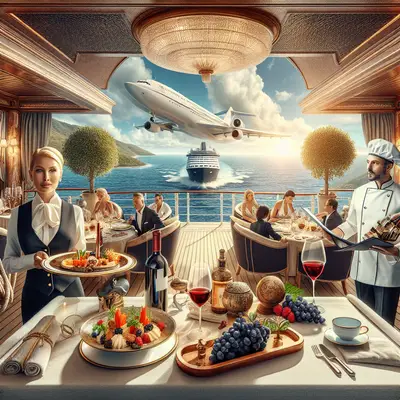
The truest luxury reveals itself in simplicity: a perfectly clarified consommé served piping hot, sashimi that tastes of its origin rather than its refrigeration, a bakery that turns out crackling-crust breads indistinguishable from a Parisian boulangerie. Breakfast becomes an unhurried ritual with à la minute dishes, while late-night room service arrives not as an afterthought but as a fully realized menu. For cruisers who judge a voyage by the standard of its bread and butter, these details are not indulgences—they are benchmarks.
Time as a Luxury Object: Itineraries Designed Around Rhythm, Not Checklists
For the refined cruiser, the real scarcity on any voyage is not spa appointments or specialty dining slots—it is unfragmented, high-quality time. The most thoughtfully curated luxury itineraries are designed less around the maximal number of ports and more around the cadence of the journey.
Longer port stays, “overnights in port,” and carefully placed sea days allow for an entirely different rhythm: mornings for quiet balconies and journaling, afternoons spent ashore without the pressure of last-tender deadlines, evenings in port that unfold like a city break rather than a rushed excursion. Some lines now coordinate sailings with cultural events—film festivals, biennales, vineyard harvests, or opera seasons—turning the ship into a mobile, luxurious basecamp for once-in-a-year experiences.
Beyond logistics, luxury itineraries are curated thematically: gastronomic journeys through wine regions, design-forward routes that focus on architecture and contemporary art, or expedition-style voyages that blend refined onboard life with expert-led exploration. The measure of sophistication is how gently an itinerary supports your natural tempo, rather than demanding you adapt to its schedule.
The New Discreet Status Symbols: What Experienced Cruisers Quietly Value
In an era where ostentation feels increasingly dated, affluent cruisers are redefining what “status” means at sea. The most desirable markers are often invisible to the casual observer—and all the more coveted for their discretion.
Private-access enclaves or “ship-within-a-ship” concepts provide a quieter tier of service and space without the spectacle of VIP theatrics. Access to a curated wine cellar, a chef’s table that seats only a handful of guests per sailing, or a small-batch spa program featuring medically informed wellness treatments are the privileges whispered about among those who cruise often.
Equally telling are the intangible luxuries: a ship that maintains a graciously low passenger-to-crew ratio, a spa where treatments feel customized rather than templated, enrichment lectures led by academics or field experts rather than generic presenters. Increasingly, environmental stewardship has also become a connoisseur’s metric—advanced emissions-reduction technologies, sustainable sourcing, and partnerships with reputable conservation organizations quietly reassure guests that their voyage is as responsible as it is indulgent.
For the most dedicated enthusiasts, these are not marketing points but the subtle signatures that separate a merely expensive cruise from a truly elevated one.
Conclusion
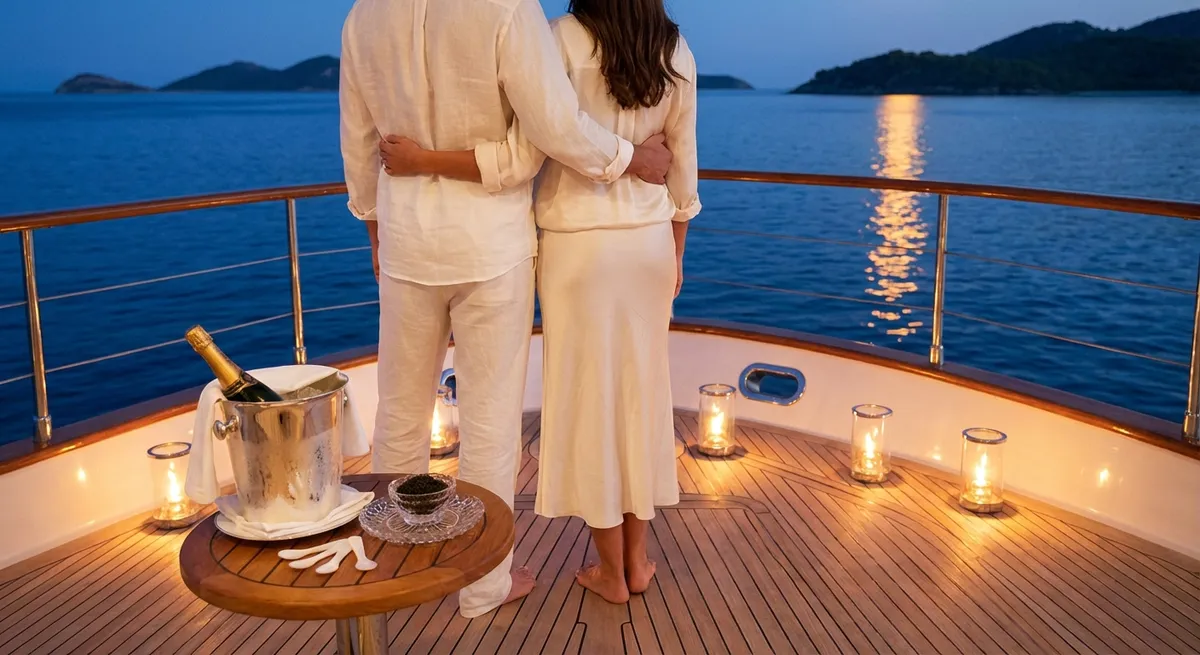
Luxury at sea is evolving away from spectacle and towards curation: of space, of time, of service, and of memory. For cruise connoisseurs, the finest voyages are not defined by how much is offered, but by how effortlessly the right elements appear at precisely the right moment. A perfectly timed arrival into a storied harbor at sunrise, a glass refilled without interruption to conversation, a menu that reflects the terroir of the port you left that morning—these are the gestures that linger long after disembarkation. In the end, the most refined luxury cruise is less a trip and more a private ritual, carried out over water, in absolute quiet confidence.
Sources
- [CLIA – 2023 State of the Cruise Industry Report](https://cruising.org/en/news-and-research/research/2023/ june-2023-state-of-the-cruise-industry) - Industry data on luxury, small-ship trends, and evolving guest expectations
- Seabourn – Official Website - Illustrates ultra-luxury small-ship design, personalized service, and curated itineraries
- Regent Seven Seas Cruises – The Regent Experience - Details all-inclusive luxury, low guest-to-crew ratios, and refined culinary and shore programs
- Viking – Sustainability at Viking - Overview of modern environmental technologies and responsible practices on contemporary ships
- Cornell University School of Hotel Administration – Hospitality Research - Academic insights into service design, guest satisfaction, and anticipatory hospitality techniques
Key Takeaway
The most important thing to remember from this article is that this information can change how you think about Luxury Cruises.