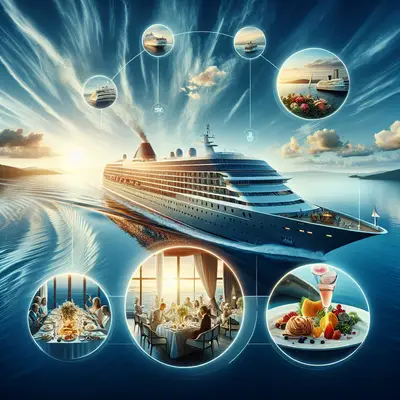
Every great voyage begins long before the ship leaves the pier. For discerning travelers, the choice of cruise line is less about tonnage and water slides, and more about orchestration: how details, design, and discretion combine to create something that feels less like mass travel and more like a private members’ club that floats. Today’s most refined cruise lines are not shouting for attention; they are quietly, deliberately re‑engineering what elegance at sea can look like.
This is where the conversation moves beyond “which ship has the biggest suite?” to more interesting questions: Who designs the onboard silence? Who curates the wine cellar for a crossing in shoulder season? How are itineraries choreographed so the ship always seems to arrive just as everyone else is leaving? For those who care about such things, the differences between cruise lines become not only visible—they become irresistible.
The New Signature: How a Cruise Line’s Personality Reveals Itself
Every premium cruise line has a signature that goes well beyond its logo and livery. It is expressed in the first three minutes on board: the cadence of the welcome, the lighting in the lobby, the way staff glance up from what they’re doing to make eye contact. Some lines lean toward the polished intimacy of a grand European hotel; others emulate the relaxed assurance of a private yacht. The best of them are meticulously intentional about what you feel first.
Cabin design is another subtle signature. On thoughtfully curated lines, you’ll notice the absence of visual noise: fewer loud prints, more natural materials, and quietly integrated technology—light controls that are intuitive rather than theatrical, blackout curtains that actually close, vanity lamps that flatter rather than interrogate. The bathrooms tell their own story: rain showers with proper water pressure, full‑sized amenities, and storage that assumes you’ve brought more than a weekend duffel.
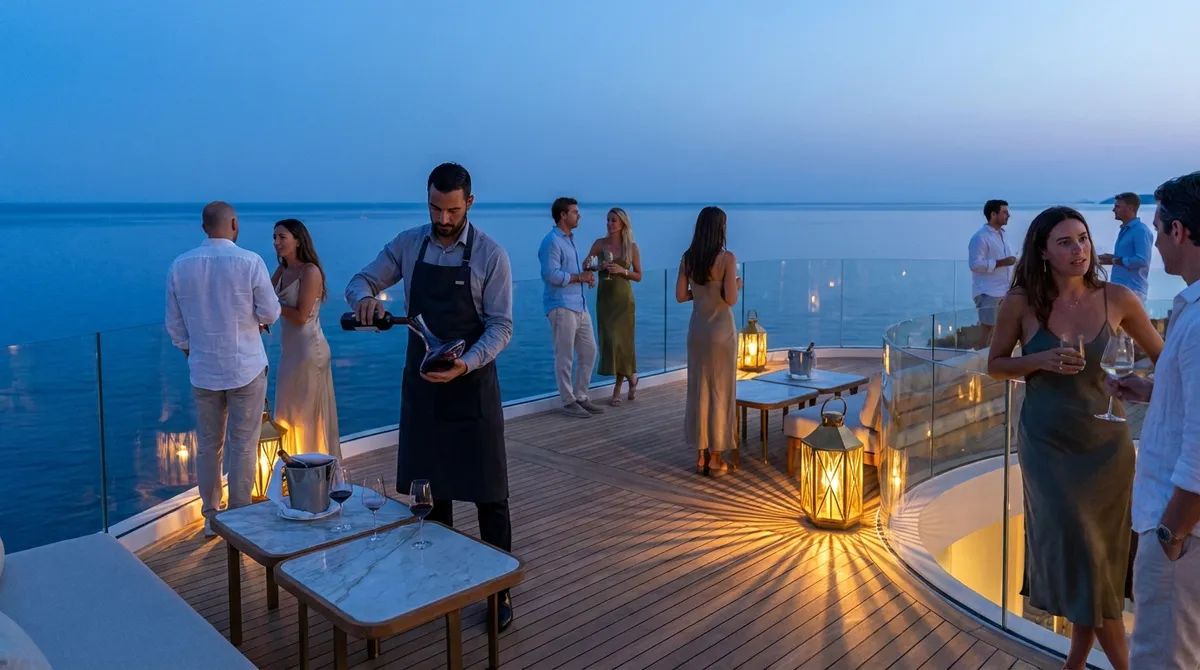
Culinary philosophy also reveals personality. Some lines talk about cuisine; others treat it as a cultural responsibility. The latter will tailor menus to regions, partner with serious wine estates along the route, and align dining times with the day’s energy rather than a rigid schedule. It’s not about endless choice; it’s about precise, confident curation.
In short, a cruise line’s “feel” is designed—down to the music in hallways, the texture of corridor carpeting underfoot at midnight, and whether you can still hear the sea from your balcony. For enthusiasts, these are not trivialities; they are tells.
Behind the Itinerary: How Refined Lines Engineer Your Time
To the uninitiated, itineraries are simply lists of ports. To the serious cruiser, they are choreography—and some lines are quietly mastering that dance. Premium operators map not just destinations, but how crowds move, how tides shift, and how local cultures breathe throughout the day and week. The result: arrivals that feel uncrowded, and shore days that align with authentic life rather than the schedule of tour buses.
Fine‑tuned lines deploy their ships in shoulder seasons when the Mediterranean has exhaled, or time Caribbean arrivals to avoid the flotilla of mega‑ships. They might stay late in port so guests can experience an after‑dark performance, a proper dinner ashore, or a nearly empty historic quarter at dusk. Overnight stays—once a rarity—are now a strategic hallmark of lines that respect that some cities deserve more than a hurried afternoon.
Transit days are treated with similar seriousness. Days at sea are no longer filler; they are deliberately placed intervals of decompression or enrichment. Expect lectures by maritime historians en route to historically significant ports, wellness programming aligned with time zones and circadian shifts, and tastings that preview the wines or cuisines of the next country you’ll visit.
This is where cruise lines quietly differentiate themselves. One may lean into cultural immersion with expert‑led excursions and private museum hours; another into nature, with small‑group expeditions or zodiac landings where appropriate. The shared trait: your time feels valued and protected rather than consumed by logistics.
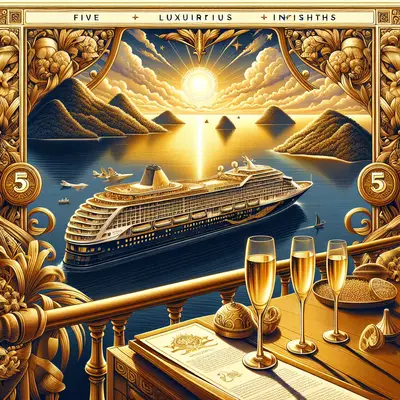
Five Exclusive Insights Enthusiasts Rarely Say Out Loud
Seasoned cruisers often share tips in hushed conversations over aperitifs or on discreet message boards, not marketing materials. The following five insights are the kind of nuanced observations that separate casual cruisers from those who truly study the art of choosing the right line.
1. The Real Luxury Metric Is Ratio, Not Square Footage
Ship size grabs headlines, but informed travelers look first at ratios: guest‑to‑crew and guest‑to‑space. A spacious suite feels less indulgent if public areas are congested or service is stretched thin. Lines that cap passenger counts on ships that could physically carry more are making a conscious statement about priorities. In practice, a high space ratio translates into quieter lounges, more available deck chairs without the dawn “towel race,” and restaurants that can maintain a civilized pace of service.
2. Discreet Lines Invest Heavily in Sound—And Its Absence
Acoustics are one of the most underappreciated markers of quality. Serious lines bring in specialists to manage vibration, insulate staterooms, and control ambient sound in lounges and corridors. It’s not only for comfort; it’s for atmosphere. The near‑silence of a hallway at midnight, the gentle murmur rather than din in the main dining room, the way live music enhances but never overwhelms conversation—these are the results of deliberate engineering and strict operational discipline.
3. Culinary Excellence Shows Up in the “Simple” Dishes
Any line can stage a gala dinner; true culinary refinement appears at breakfast and in room service. Enthusiasts pay attention to the consistency of a perfectly poached egg, the ripeness of fruit in shoulder season, the quality of bread and butter, and whether the room‑service club sandwich tastes as considered as a tasting‑menu entrée. Lines that take these “minor” moments seriously tend to have deeply rooted culinary cultures, not just a handful of star‑chef partnerships for marketing materials.
4. Art and Design Choices Reveal How Seriously a Line Takes Culture
Walk slowly through the ship’s public spaces and corridors. On more considered lines, the art is not generic maritime prints but curated pieces that reflect either the regions sailed or a coherent design narrative. Sculptures, textiles, and photography are chosen with a collector’s eye rather than purely decorative intent. The library—if it exists at all—is another signpost: a measured collection of thoughtfully chosen titles suggests a line more aligned with quiet enrichment than ceaseless entertainment.
5. The Most Valuable Amenity Is Often Intelligent Flexibility
For well‑traveled guests, “all‑inclusive” is less compelling than “adaptable.” The best lines build in quiet flexibility: the ability to dine off‑menu within reason, to adjust housekeeping timing to your personal rhythm, to join a small‑group excursion at the last minute, or to have a fitness or spa schedule subtly adjusted around your shore plans. Enthusiasts notice lines where staff are empowered to say “Let’s see what we can do” and mean it. That empowerment comes from training, trust, and a service philosophy that assumes guests are partners, not ticket numbers.
The Subtle Hierarchy: Matching Line Personality to Traveler Profile
While marketing materials tend to flatten differences, there is a nuanced hierarchy in how cruise lines envision their ideal guest. Some are built for families with multiple generations in tow; others design primarily for couples or solo travelers who value space and quiet over spectacle. Understanding this helps avoid the mismatch of a refined traveler booking onto a ship engineered around water parks and late‑night parties.
Lines with strong enrichment programs—lectures by academics, partnerships with cultural institutions, resident artists—tend to attract guests who treat the voyage as a moving salon. Others emphasize wellness: thalassotherapy pools, integrated spa and medical offerings, nutrition‑aware menus, and outdoor spaces designed for actual walking and contemplation, not just sunbathing.
There is also a philosophical difference between lines that aim to be “floating resorts” and those that position themselves as ships in conversation with the sea and the destinations. The former may feature extensive onboard attractions that can exist virtually anywhere; the latter often cultivate a sense of place with regionally grounded cocktails, locally sourced provisions where feasible, and programming tied explicitly to upcoming ports.
For the traveler with a clear sense of self, these distinctions matter more than loyalty points or promotional upgrades. The more precisely you can describe your ideal day at sea—from breakfast to nightcap—the easier it becomes to identify which lines are quietly designing exactly that experience.
Choosing with Intent: Elevating the Next Voyage
Refined cruising is increasingly less about status symbols and more about alignment: between your expectations and a cruise line’s unspoken promises. The choice is not merely between “luxury” and “mainstream,” but between different philosophies of space, time, and attention. Some lines excel at intimate discovery, others at polished glamour, others at relaxed yet meticulous comfort.
For enthusiasts, the process of selecting a line becomes part of the pleasure: researching guest‑to‑crew ratios, studying deck plans for how people will flow through the ship, noticing how many overnights appear in an itinerary, and reading between the lines of how a brand describes its guests. The reward for this discernment is a voyage where the ship feels proportioned to your tastes, and where days unspool with the satisfying inevitability of a well‑composed score.
In a world where travel can so easily feel rushed, transactional, and noisy, the most exceptional cruise lines are offering something else: a return to the art of taking one’s time, elegantly. For those willing to choose carefully, the sea remains one of the last great stages for truly curated experience.
Sources
- CLIA: 2024 State of the Cruise Industry - Industry‑wide data on passenger demographics, deployment, and trends in ship design and itineraries
- Cruise Critic – How to Choose a Cruise Line - Practical framework for matching traveler preferences with different cruise line styles
- Seabourn Official Site – Onboard Experience - Example of how an ultra‑luxury line articulates service, space, and enrichment
- Regent Seven Seas Cruises – The Regent Experience - Insight into all‑inclusive philosophy, guest‑to‑space emphasis, and itinerary curation
- Harvard Business Review – The Elements of Value - Research on how premium brands create layered value, relevant to understanding luxury cruise positioning and guest expectations
Key Takeaway
The most important thing to remember from this article is that following these steps can lead to great results.