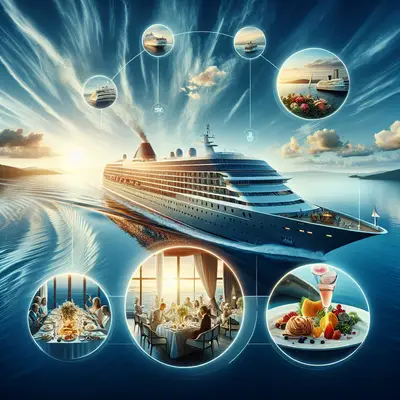
The most rewarding voyages at sea often hinge on details that never make the brochure. For the practiced cruiser, choosing a line is less about the headline amenities and more about the quiet decisions that reveal a brand’s true character: the way a ship moves, how a dining room hums at 9 p.m., the depth of a wine list when you stray from familiar labels. This is where one cruise line separates itself from another—not in spectacle, but in calibration.
This exploration looks beneath the marketing to highlight how leading cruise lines express their identities in refined, often-overlooked ways. For the enthusiast, recognizing these signatures transforms a sailing from a pleasant holiday into a deliberately curated experience.
The Architecture of Space: How Ship Design Reveals a Line’s Intent
Step aboard different fleets and you quickly sense that ship design is a declaration of philosophy. Some lines orchestrate a vertical drama—grand atriums, central promenades, glass elevators—while others favor a horizontal, almost residential aesthetic with layered terraces, hidden lounges, and quieter circulation paths. The way a ship asks you to move says everything about the kind of voyage you’re about to have.
Premium and luxury-focused lines tend to treat public areas as a sequence of “scenes” rather than a single spectacle. Corridors may subtly bend to shield sightlines; ceilings step down as you enter a bar to create intimacy; flooring and lighting shift to slow your pace as you approach signature restaurants. On newer vessels, cabin decks are thoughtfully stacked to minimize vibration and late-night noise, with key areas positioned over technical spaces rather than beneath them.
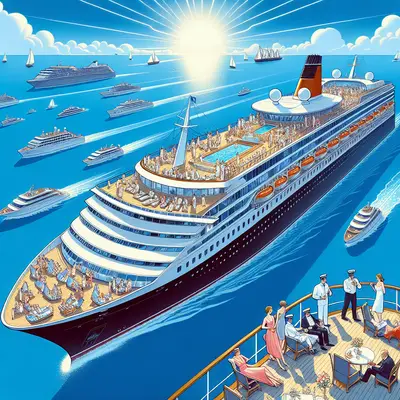
Look closely at how open deck space is handled. Some cruise lines prioritize uninterrupted promenades that wrap the ship, creating a kind of moving terrace for walkers and sunset devotees. Others divide open decks into carefully zoned environments—serene adult pools, low-slung daybeds tucked behind glass windbreaks, and forward-facing lounges that capture first light while everyone else sleeps. Where a line invests its square footage—private cabanas versus water slides, observatories versus LED screens—reveals precisely who it has in mind.
For the cruise devotee, this is the first exclusive insight: the layout tells you if a ship was designed for spectacle, contemplation, sociability, or privacy. Walk one circuit on embarkation day with this in mind, and you will understand far more about the line than any brochure can convey.
Culinary Philosophy at Sea: Reading Between the Courses
Menus at sea increasingly compete with top-tier restaurants ashore, but connoisseurs know that the true differentiation lies behind the plate. Certain lines commit to long-term culinary partnerships with recognized chefs or culinary institutes; others build quietly powerful in-house teams who evolve menus across the fleet with remarkable consistency.
The second exclusive insight is that a cruise line’s culinary philosophy can be read in three subtle ways. First, examine how they treat regionality: do the menus shift meaningfully as you move from the Mediterranean to Northern Europe, or is “local flavor” confined to one token dish? Lines that are serious about cuisine will weave local produce, fish, and regional dishes into multiple venues, not just the specialty restaurant with a surcharge.
Second, consider the structure of the wine and beverage program. Look for depth rather than length: a list that thoughtfully represents key regions, includes smaller producers, and offers half-bottles and Coravin pours signals a line that expects guests to explore, not just order the usual. When a sommelier suggests a lesser-known producer or an emerging wine region without hesitation, it’s a strong sign of real investment in training, not just branding.
Third, and most telling, is how the cruise line handles dietary nuance and off-menu requests. The ability to adjust seasoning, to rework a dish elegantly for a specific preference, or to remember a guest’s preferred breakfast tea by day three goes far beyond hospitality; it reflects how the brand defines “service.” In the finest operations at sea, a special request is not an obstacle but an opportunity to refine the experience.
Rhythm on Board: How Lines Orchestrate the Day
Every cruise line sets a rhythm, and experienced guests quickly learn to listen for it. Some orchestrate a constant crescendo of activity—game shows, poolside competitions, late-night deck parties—while others treat the day as a careful balance of tempo and pause. The third exclusive insight is that each line’s “daily cadence” is a deliberate design choice, not a byproduct.
Morning programming offers important clues. Fitness classes at sunrise, meditation sessions in a hushed lounge, or guided photography walks in port suggest a guest profile that values intentionality and personal enrichment. A ship that wakes with trivia games and loud pool music is making a different, equally valid statement about its social DNA.
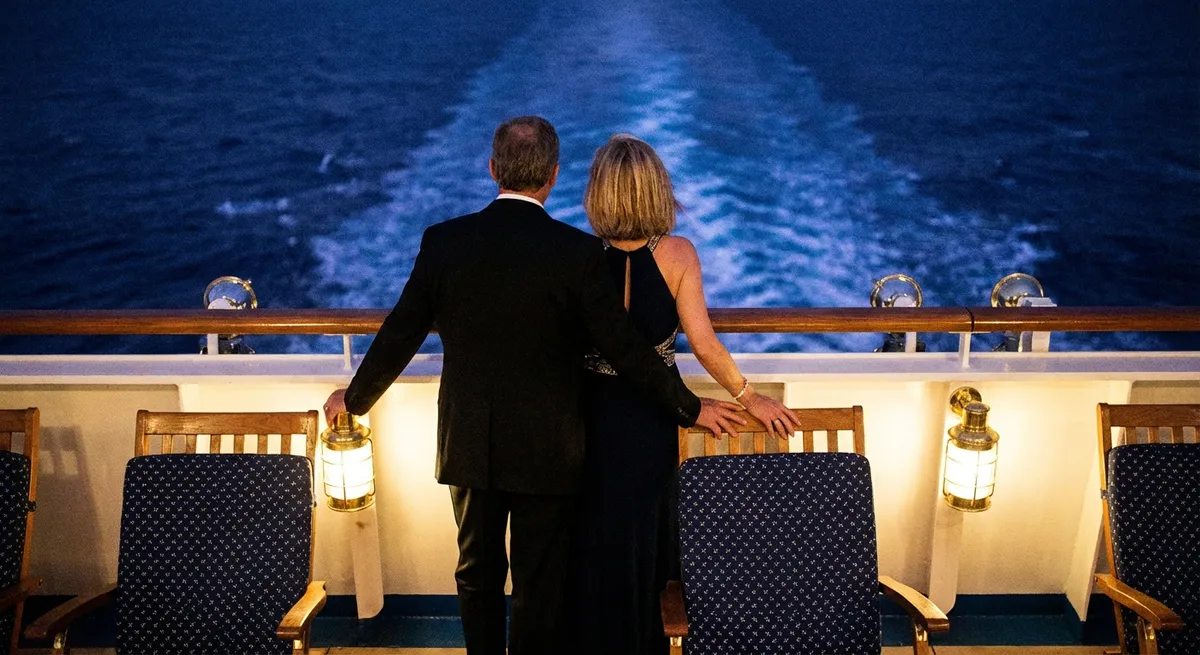
Evening is where rhythm becomes unmistakable. On some lines, evenings revolve around a single marquee show—a production in a main theater that empties and fills the ship in waves. On others, the experience splinters elegantly into multiple micro-events: a jazz trio in an intimate bar, a string quartet in the atrium, a wine tasting in a quiet nook, a contemporary band on deck. This distributed approach caters to guests who prefer to craft their own evening narrative rather than follow the ship’s.
Look, too, at how the line paces days at sea versus port days. The most sophisticated itineraries include a kind of built-in exhale—long sea passages after intense touring days—while the finest cruise lines adjust programming to support that natural ebb and flow. For seasoned travelers, choosing a line whose rhythm aligns with their own preferred tempo of exploration is often the difference between returning home exhilarated or exhausted.
Beyond the Brochure: Service Culture as a Line’s True Signature
All cruise lines promise excellent service; only a few nurture a genuinely distinctive service culture. The fourth exclusive insight is that service at sea is less about the ratio of crew to guests and more about how that crew has been empowered.
Listen to how crew members speak about their line. On certain ships, you’ll hear consistent narratives: “We want you to feel at home,” or “Our goal is to anticipate your needs.” On others, the language centers on memorable moments, efficiency, or entertainment. These aren’t accidents—they are reflections of how the company trains and measures its teams.
A refined service culture often shows itself in the quietest interactions: a steward who carefully re-folds your reading glasses cloth, a bartender who remembers that you prefer your Negroni stirred a touch longer, a shore excursions manager who suggests a less-publicized local restaurant because she’s eaten there herself. On higher-end lines, crew are encouraged to exercise judgment—to say yes creatively, to solve problems without layers of permission, to adapt the experience to the guest in front of them rather than the policy on paper.
Another subtle marker is continuity. Some lines manage to keep crew on certain ships or within the brand for many years. For repeat guests, the experience of being recognized from a previous voyage—sometimes on the other side of the world—isn’t just charming; it speaks to a culture where crew feel invested enough to stay. Over time, this continuity manifests as a shared memory between guest and line, and it is one of the most powerful, if least discussed, differentiators at sea.
Itineraries as a Curated Lens: How Lines Interpret the World
The fifth exclusive insight lives in the map itself. Itinerary design is where cruise lines express their worldview: their confidence in niche ports, their respect for pace, and their understanding of what constitutes meaningful discovery.
Some lines focus on classic “greatest hits” ports with short calls, maximizing variety and broad appeal. Others build their identity around depth—overnights in cities like Venice or Stockholm, late departures from Greek islands, or extended stays in fjord towns that transform once the daytrippers disappear. When a line offers a midnight departure or a two-night stay, it’s inviting guests to see a destination in a different register: the quiet streets after the last tender, the early light before cafes open.
The more intellectually curious lines use itineraries as a narrative arc. Consecutive ports might trace the history of a particular empire, follow ancient trade routes, or highlight a specific wine region or culinary tradition. Lectures, onboard libraries, and partnerships with historians or naturalists support this narrative, turning the voyage into a kind of mobile seminar for those who seek it.
There is also a growing distinction between lines that treat expedition and classic cruising as separate worlds and those that blend them. When a brand invests in expedition-style tools—zodiacs, onboard scientists, advanced navigation to reach remote regions—and then integrates that sensibility into less extreme itineraries, it signals a belief that even traditional voyages can be genuinely exploratory. For the enthusiast, understanding a line’s itinerary philosophy is essential to matching the cruise not just to a destination, but to a way of seeing that destination.
Conclusion
In an era when many ships promise infinity pools, specialty dining, and sleek accommodations, the true connoisseur of cruising looks beyond the obvious. Cruise lines reveal themselves most clearly in their architecture of space, culinary depth, daily rhythm, service culture, and the curvature of their itineraries. These elements, taken together, create a distinct signature that you can learn to recognize.
For travelers who return to the sea again and again, the pleasure lies not only in discovering new ports, but in choosing the line whose subtle decisions align with their own sensibilities. Once you start noticing these quiet signatures, every future voyage becomes less a generic journey and more an intentional conversation between you, the ship, and the brand that imagined it.
Sources
- Cruise Ship Design and Passenger Experience – Cornell University - Academic discussion of how ship layout, space planning, and design influence the onboard experience
- CLIA: 2023 State of the Cruise Industry - Industry overview on trends in itineraries, guest expectations, and fleet development
- Seabourn – Culinary Partnership with Chef Thomas Keller - Example of a cruise line articulating a distinct culinary philosophy and partnerships
- Norwegian Cruise Line – Ship Design & Innovation Overview - Insight into how a major line frames its design, technology, and guest-flow decisions
- U.S. Department of Transportation – Cruise Travel Tips - Government resource providing context on cruise operations and considerations for travelers
Key Takeaway
The most important thing to remember from this article is that this information can change how you think about Cruise Lines.