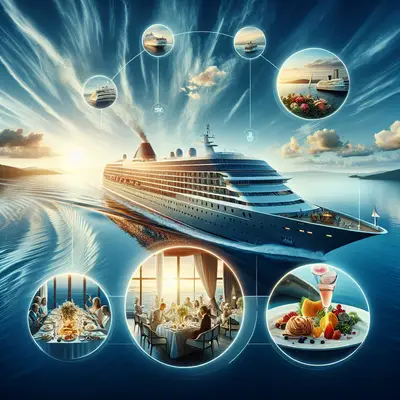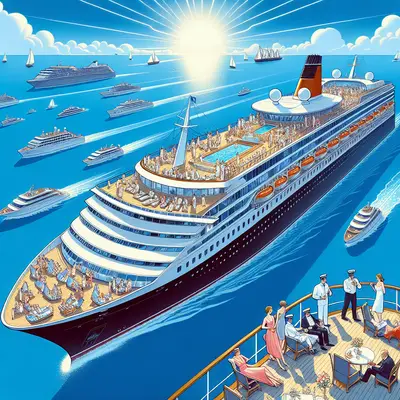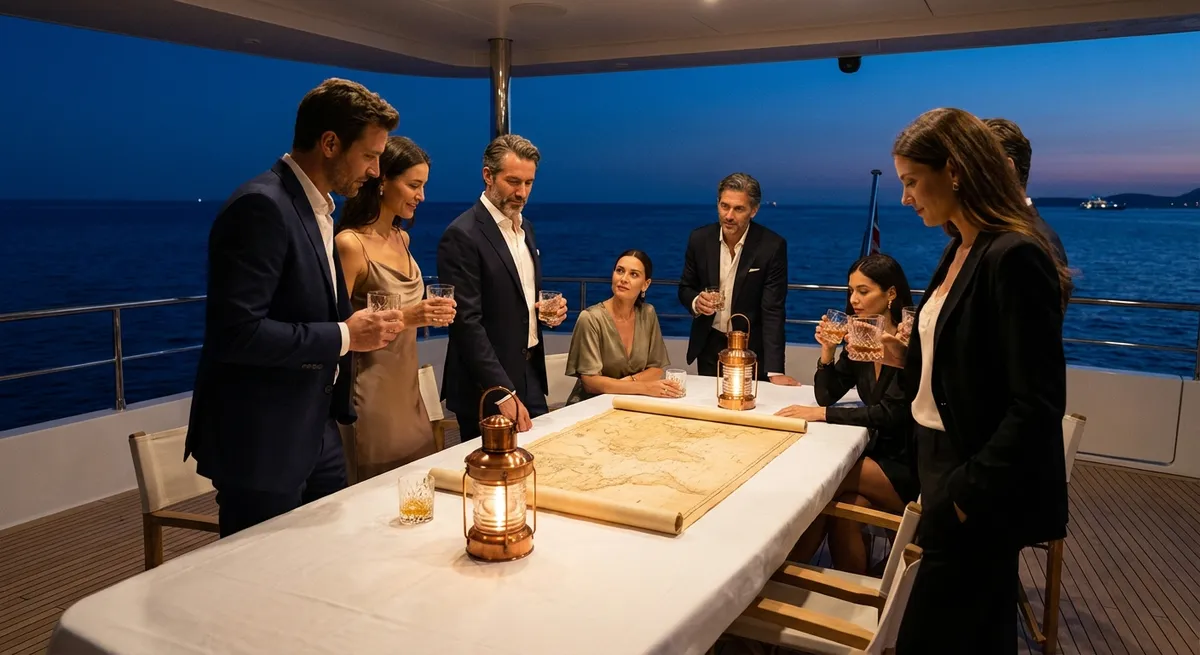
For most travelers, a cruise is an escape. For a growing circle of connoisseurs, it is a finely orchestrated ritual—part grand hotel, part moving cultural salon. As cruise lines refine their offerings, the most rewarding experiences are no longer advertised in glossy brochures; they are curated quietly, discovered gradually, and appreciated fully only by those who know where to look.
This is an inside look at how discerning guests are actually experiencing today’s leading cruise lines—through subtle privileges, thoughtful design, and five exclusive insights that rarely make it into mainstream marketing.
The Architecture of Atmosphere: How Lines Shape the Mood Onboard
Every major cruise line has a visual language that extends far beyond décor. The choice of materials, ceiling heights, lighting temperatures, even the soundscape in a corridor is deliberate. Luxury-leaning lines invest heavily in this “architecture of atmosphere” because they understand that refined guests respond more to how a space feels than to how loudly it declares its opulence.
Some ships borrow from boutique hospitality, favoring low-slung armchairs, soft ambient jazz, and layered lighting that flatters both interiors and guests. Others lean toward maritime modernism—clean lines, oversized windows, tonal frescoes, and art collections curated in partnership with galleries or auction houses. The difference is more than aesthetic: it shapes how people move, converse, and even dress.
Connoisseurs pay close attention to these cues when choosing a line or class of ship. A vessel with generous quiet lounges, intimate bars, and an art-forward atrium typically signals a cruise line that takes grown-up ambiance seriously. In contrast, spaces that feel perpetually “on”—bright, loud, and busy—can be magnificent fun for multigenerational trips, but less suited to those seeking a cocoon of composed sophistication at sea.
The Quiet Hierarchy of Space: Understanding the True Premium Zones
On any ship, the most valuable commodity is not the champagne—it is square footage and seclusion. Premium cruise lines, and the premium “ship-within-a-ship” enclaves on larger vessels, protect these with an almost club-like discretion. A deck plan may show pools and lounges; what it cannot easily convey is the choreography behind who actually uses them, and when.
Refined travelers learn to read between the lines. A private-access sundeck shielded from wind, with spaced loungers and attentive but unobtrusive service, can be worth more than the most theatrical main pool. Likewise, a smaller library with deep armchairs and consistent silence is often more prized than any bustling atrium café.
This is where certain suites, concierge tiers, and “retreat” concepts come into their own. They are not simply larger cabins; they are keys that unlock a different spatial reality: dedicated restaurants with unhurried pacing, lounges that never feel crowded, embarkation lounges that turn chaotic queues into a five-minute formality. Those who value this understand that the true premium is not spectacle, but controlled access to serenity.
Five Exclusive Insights for the Refined Cruise Enthusiast
Within this evolving landscape, a handful of subtler truths shape the experience for those paying close attention. These are five insights frequently discussed among experienced cruisers, but rarely spelled out in glossy marketing copy.
1. The Best “Views” Are Often Nowhere Near a Balcony
Balcony cabins are highly marketed, but the most rewarding maritime perspectives are often tucked away: a quiet forward observation lounge with floor-to-ceiling glass, a little-used deck that curves around the bow, or a half-hidden terrace outside a specialty bar. On some lines, early-morning harbor arrivals from an observation lounge—coffee in hand, piano softly playing—far surpass the balcony experience.
Experienced guests study deck plans to locate these vantage points: forward-facing lounges high on the ship, promenade decks with wraparound access, and low, aft-facing terraces close to the water’s surface. Many of these remain uncrowded simply because they are not highlighted in promotional material, yet they are where seasoned travelers spend their best sea days.
2. Culinary Excellence Lives in the Spaces Between Restaurants
Menus tell only part of the story. On curated itineraries and higher-end lines, the most memorable food moments often occur at the margins: a late-night cheese trolley in an intimate bar, a made-to-order crêpe station at breakfast known only to regulars, or a chef’s table hidden behind an unmarked door off the main galley.
Connoisseurs quickly discover that speaking quietly with the maître d’ early in a voyage can yield remarkable dividends: off-menu dishes, regional specialties sourced in port, or thoughtfully staged wine-pairing dinners with the sommelier. The culinary conversation moves from, “What’s on the menu?” to, “What could we create together this evening?” That shift—from consumption to collaboration—is where cruise gastronomy becomes genuinely memorable.
3. The Real Luxury Is Time Control, Not Just Butler Service
On premium ships, butler service and concierge rooms are well-publicized; what is less discussed is how skillfully these services can reengineer your sense of time onboard. A capable butler knows how to minimize friction: private in-suite check-in, custom unpacking and pressing, discrete reservations at peak hours, and breakfast at precisely the moment the harbor glides into view.
The most seasoned guests use this to reclaim pockets of unclaimed time—lingering over a late dinner because tomorrow’s transfer and luggage are fully handled, or scheduling shore excursions so that returns coincide with the quietest spa hours. In effect, they convert what for others is a tightly scheduled itinerary into a fluid, unhurried progression of scenes.
4. Ship Selection Matters More Than Brand Alone
Within a single cruise line, ships can differ in personality as dramatically as hotels within an international chain. An older vessel recently refitted may offer thoughtful, human-scale spaces and long-serving crew who know the brand’s culture intimately. A flagship newbuild may dazzle with amenities but feel more like an upscale resort than a maritime retreat.
Connoisseurs often choose a specific ship first, then itinerary second, and brand third. They study ship blueprints, refit histories, and passenger-to-space ratios—an underappreciated metric that can tell you more about the likely onboard ambience than any brochure. A lower guest-per-ton ratio typically translates into generous public spaces, fewer queues, and a calmer energy, especially on sea days.
5. The Most Rewarding Itineraries Are Sometimes the Least Convenient
The itineraries that truly stay with you often require a bit of logistical courage. Shoulder-season departures, less-frequent embarkation ports, or longer repositioning voyages attract a different type of passenger: those willing to travel slightly off-peak in pursuit of quieter ports, more immersive time ashore, and a more relaxed shipboard atmosphere.
These cruises may feature longer days in port, fewer “greatest-hit” tour buses, and more meaningful interactions with local culture—especially in regions such as Northern Europe, Japan, or the lesser-trafficked corners of the Mediterranean. Onboard, the demographic tilts toward seasoned travelers who prioritize depth over novelty, which quietly transforms everything from dinner conversation to the tone of lectures and enrichment programs.
The Human Element: Crew Culture as the True Differentiator
Hardware, itineraries, and branding have their place, but among discriminating guests one topic consistently rises above all: the crew. The most refined service is not scripted; it is an ethos. Some lines invest significantly in training, retention, and internal advancement, creating teams that feel more like a seasoned repertory company than a transient workforce.
You notice it in the details: a waiter who remembers not just your preferred wine but your reading taste; a steward who anticipates that you’ll want the curtains drawn at sailaway; a sommelier who adjusts recommendations subtly once they’ve observed your palate over a few dinners. On certain ships, this culture of attentive discretion is palpable—it’s what keeps guests returning to the same line, even as new competitors emerge.
Experienced cruisers quietly track this dimension: they listen to how crew talk about their employer, note how often they encounter familiar faces across different voyages, and observe how officers engage with guests in everyday situations. Where crew culture is strong, the entire ship feels choreographed for ease; where it is thin, even the most impressive hardware begins to feel impersonal.
Conclusion
For those who look beyond brochure promises, today’s cruise lines offer an increasingly nuanced canvas on which to design one’s ideal voyage. The true art lies not in chasing the loudest superlatives, but in discerning the quieter distinctions: ship over brand, space over spectacle, time over ticking boxes, and human connection over sheer amenity count.
In that world, the best cruises are less about being entertained and more about being expertly hosted—at sea, between worlds, in that rarefied space where hospitality, design, and seafaring tradition still meet.
Sources
- U.S. Department of Transportation – Cruise Ship Travel - Background on health, safety, and what to consider when choosing a cruise
- CLIA (Cruise Lines International Association) – 2024 State of the Cruise Industry - Industry overview, passenger trends, and capacity insights
- Travel + Leisure – World’s Best Awards: Ocean Cruise Lines - Rankings and qualitative assessments of leading cruise lines
- Condé Nast Traveler – Readers’ Choice Awards: Cruise Lines - Passenger-driven reviews of ships and lines, useful for understanding service and atmosphere
- Royal Caribbean Group – Sustainability Report - Example of how a major cruise company approaches ship design, environmental stewardship, and guest experience at scale
Key Takeaway
The most important thing to remember from this article is that this information can change how you think about Cruise Lines.