There is a moment—often just after sailaway—when the familiar itineraries begin to feel a little too familiar. The same marquee ports. The same terminal-side boutiques. The same photo angles. For discerning cruisers, genuine intrigue now lies in the destinations that are quietly evolving, not yet crowded with matching tote bags and group lanyards.
Across the world’s sea lanes, a new class of ports is emerging: harbors where small details matter as much as skyline shots, where the pier is merely a prologue to something more nuanced on shore. These are places that reward curiosity, reward time, and reward the kind of traveler who notices the glassware as much as the view. Below, five destination insights that serious cruise enthusiasts are already whispering about—each one poised to elevate itineraries beyond the predictable.
Quiet-Season Mediterranean: When the Riviera Finally Belongs to You
The Mediterranean will never be a secret, but there is an art to experiencing its icons as if they were. Increasingly, high-end cruisers are rerouting their Mediterranean plans to the shoulder and “deep-shoulder” months—early spring and late autumn—where the light is softer, the air cooler, and the atmosphere more authentically local. In late March, a stroll along Villefranche-sur-Mer’s waterfront feels less like a postcard set and more like a lived-in village, with café terraces populated by residents rather than excursion stickers.
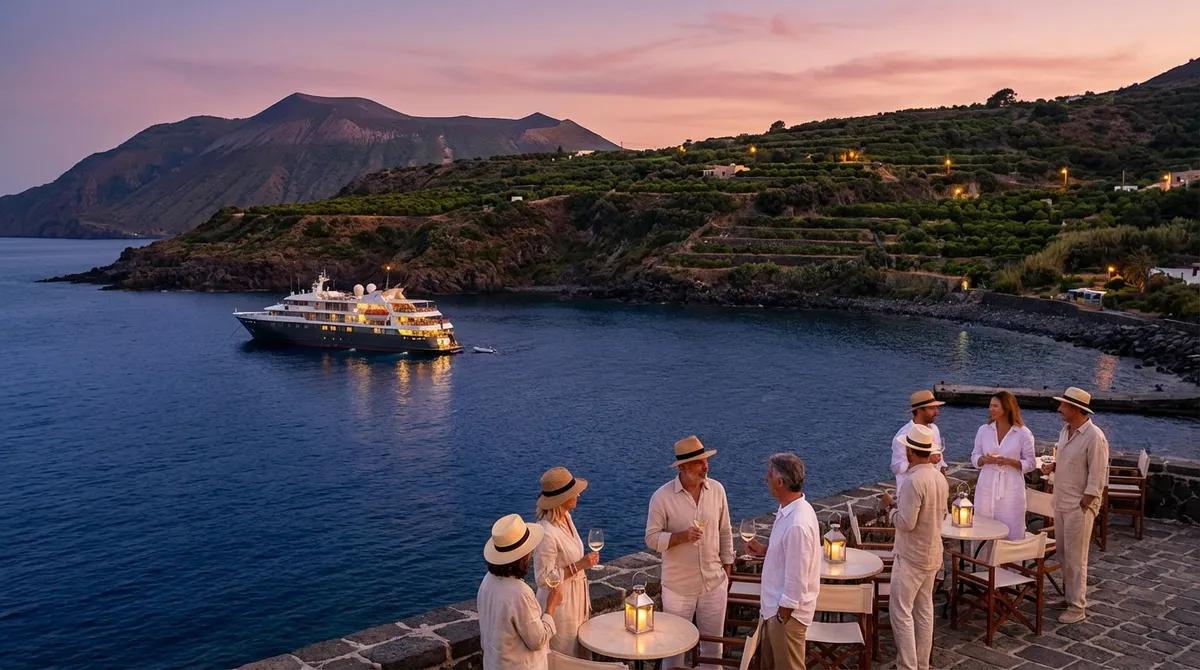
Ships with smaller passenger counts have started to schedule overnight or extended evening calls during these off-peak windows, allowing guests to linger through blue-hour aperitifs in Palma de Mallorca or dine at Marseille’s chef-owned bistros without being crowded out by day-trippers. The sea itself changes character too: the glare diminishes, colors deepen, and balcony time becomes genuinely contemplative rather than an exercise in sunscreen management. For enthusiasts, the advantage is twofold—more intimate service onboard, as crews can breathe between full-capacity sailings, and shoreside experiences that feel closer to the Mediterranean many remember from decades past. The Mediterranean is not new; having it (almost) to yourself is.
Emerging Baltic Alternatives: Beyond the Classic Capitals
With itinerary planners reassessing traditional northern routes, a quieter Baltic and North Sea circuit is coming into focus, one that favors cultivated smaller cities over the grand capitals. Instead of the typical “big three,” more sophisticated itineraries are now threading their way through ports like Aarhus, Gdańsk, and Klaipėda, where the cruise infrastructure is rapidly improving while the crowds have yet to arrive in force. In Aarhus, Denmark’s youthful design sensibility is on crisp display—art museums, harborfront saunas, and New Nordic bistros—without Copenhagen’s intense seasonal congestion.
Gdańsk, meanwhile, offers an almost theatrical reconstruction of its Hanseatic past, but what appeals to experienced cruisers is just beyond the postcard façades: shipyards, amber ateliers, and café-lined backstreets that invite aimless wandering. Klaipėda acts as a charming gateway to the otherworldly dunes of the Curonian Spit, where shore excursions can be tailored for small, more contemplative groups rather than bus convoys. For guests, the subtle luxury lies in the pacing: less time queuing for tenders and immigration, more time exploring understated cities whose culinary and cultural scenes are rising faster than their tourist numbers.
Insiders’ Japan by Sea: Port Choices That Redefine the Archipelago
Japan has shifted from a “someday” cruise destination to a “sooner rather than later” imperative for many seasoned travelers, but the true distinction now lies in which ports you visit—and when. Itineraries built around Tokyo and Osaka are still spectacular, but the connoisseur’s routes lean into Kanazawa, Kochi, Hakodate, and smaller Seto Inland Sea harbors that feel almost private to those arriving by ship. Kanazawa, with its samurai streets and museum-quality crafts, has become a favorite among guests who pair onboard wine tastings with visits to lacquerware studios and gold leaf workshops.
On Shikoku’s coast, Kochi offers an atmosphere that is unfussy, coastal, and deeply local; food-focused shore programs can include morning markets followed by cooking classes that feel distinctly non-touristic. Evening departures from northern ports like Hakodate reveal a different Japan entirely—one of steaming onsen towns and illuminated hilltops, best appreciated from the open deck with a blanket and a well-made highball in hand. For enthusiasts, another sophisticated layer is timing: voyages that chase cherry blossom northward or track autumn foliage southward turn the entire itinerary into a moving seasonal observatory, with the ship as a serene, consistent vantage point.
Understated Luxury in the Lesser Antilles: Trading Scale for Soul
While the marquee Caribbean ports continue to expand, a parallel story is unfolding quietly among the smaller islands of the Lesser Antilles. Here, luxury is less about spectacle and more about proportion—perfectly framed bays, boutique-scale beach clubs, and ports where you can, quite literally, walk into town without passing a single jewelry megastore. Islands like Bequia, Nevis, and Îles des Saintes have become coveted calls for ultra-premium and small-ship lines, thanks to their blend of natural beauty and gentle, unhurried culture.
On Bequia, the charm lies in the details: hand-painted shop signs, family-run waterfront restaurants, and a harbor where superyachts, sailing vessels, and small cruise ships share the same crystalline bay. Nevis offers an elegantly quiet version of Caribbean life, where a historical walking tour can segue into a refined lunch at a plantation-turned-boutique-hotel, and the return to the ship is by private launch rather than overburdened tender. Îles des Saintes, meanwhile, delivers French-Caribbean chic at pocket size—pastel façades, boulangeries, and hilltop viewpoints that feel like a personal discovery. For serious cruisers, itineraries that favor these ports signal a particular intent: less repetition, more resonance.
Polar Edge, Softer Touch: The New Aesthetic of Expedition Destinations
Expedition cruising is often framed in extremes—icebergs, remote landings, dramatic wildlife encounters—but a new, more considered form of polar travel is taking shape. The most forward-thinking itineraries to Antarctica, the Arctic, and sub-Antarctic islands now blend spectacle with reflection, ensuring that the experience feels not merely adventurous but exquisitely curated. In Antarctica, this can mean fewer but longer landings, allowing guests to feel a place rather than simply photograph it. Ships are timing visits to capture ethereal shoulder moments in the season—late-season sunsets that stretch across the icescape, or early-season vistas when the snow remains untouched by tracks.
In the Arctic, destinations like Svalbard and Greenland are being revisited with a more nuanced lens. Itineraries that include small, traditional communities are introducing elements of local art, music, and culinary traditions onboard, turning the ship into an elegant bridge rather than a visiting fortress. The hardware is evolving too: observation lounges with floor-to-ceiling glass, silent or hybrid propulsion for more serene sailing, and deck spaces specifically designed for quiet contemplation, not just photography. For enthusiasts, the real luxury of these extreme destinations lies in restraint—a conscious choice to experience fewer locations more profoundly, guided by naturalists and cultural experts whose commentary matches the quality of the wine list.
Conclusion
For those who view cruising as an art rather than a habit, destinations are no longer about ticking off capitals but about curating a sequence of atmospheres—quiet harbors, evolving cities, subtle seasons, and remote frontiers approached with care. The most rewarding itineraries now prize nuance over notoriety, favoring ports that still feel like discoveries rather than textbook highlights.
As cruise lines refine their destination portfolios and experiment with more imaginative routing, enthusiasts have an unprecedented opportunity to shape their own narratives at sea. The question is no longer simply, “Where does the ship go?” but “How thoughtfully does it take you there?” In that distinction lies the future of truly elevated cruising.
Key Takeaway
The most important thing to remember from this article is that this information can change how you think about Destinations.