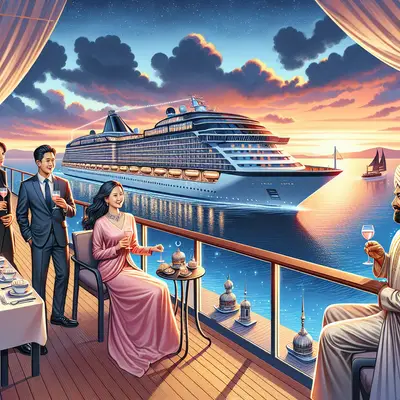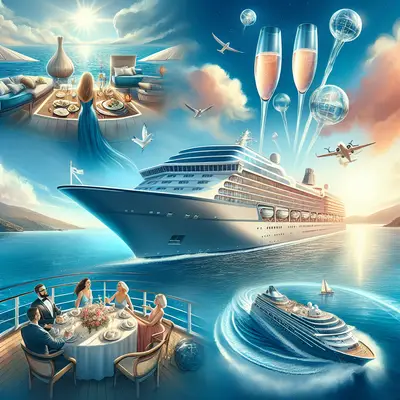
For the seasoned cruiser, luxury is no longer a matter of marble foyers and oversized chandeliers. It is the seamless orchestration of small, precise moments: a table that seems to materialize just as the sunset turns to rose gold, a sommelier who remembers your preference for mineral-driven whites, a tender arrival timed to miss the crowds by exactly twenty minutes. Today’s most refined cruise experiences are crafted in the details you rarely see promoted in brochures—yet once you notice them, you cannot imagine sailing without them.
Below are five exclusive, under‑the‑radar dimensions of contemporary luxury cruising that discerning travelers quietly prize.
1. The Art of Invisible Personalization
True luxury at sea increasingly lies in what feels uncannily intuitive. On the most refined ships, personalization goes far beyond a welcome fruit basket with your name on it. Your cabin lighting is subtly adjusted to your preferred evening ambiance after night one. The bar team knows you favor a Negroni, but dials back the bitterness after observing your reaction on the first sip. Your morning coffee simply arrives—correctly—after you’ve ordered it once.
This level of service is often powered by a quiet mix of human attentiveness and sophisticated guest‑preference systems. Crew members review daily reports, note patterns, and calibrate their approach without making a spectacle of it. On ultra‑luxury and upper‑premium lines, staff‑to‑guest ratios allow for this near‑telepathic service, turning an ordinary sailing into something that feels choreographed specifically for you. For frequent cruisers, this invisible personalization becomes the most memorable luxury: not what is on display, but what is anticipated.
2. Curated Quiet: The New Prime Real Estate Onboard
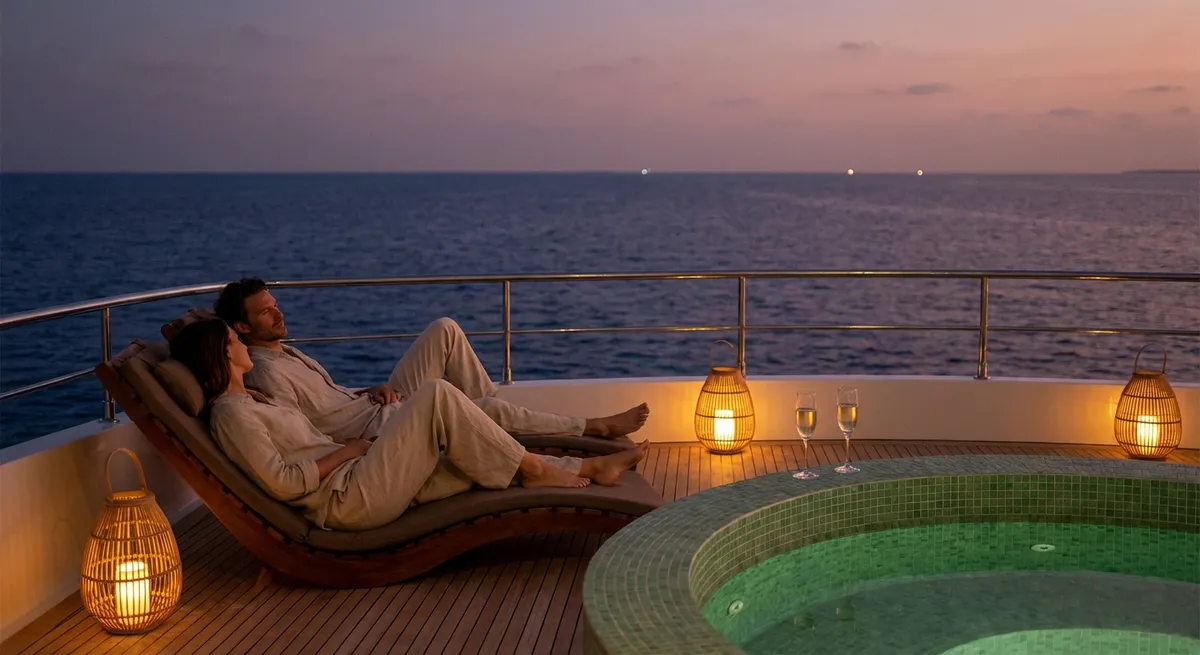
The most coveted square footage on a luxury ship is no longer just the top‑deck suite; it is the carefully curated quiet space few guests ever discover. As ship design evolves, architects are increasingly carving out “micro‑sanctuaries” that feel worlds away from pool decks and atrium buzz—think tucked‑away observation lounges, partially enclosed cabanas, or library bars where conversation stays politely sotto voce.
These spaces often marry exceptional sightlines with deliberate acoustic control: thick carpeting, overstuffed seating, and thoughtful sound baffling to ensure the hush remains. For the connoisseur, these are not merely places to read a book—they are floating salons for slow, considered living. Many ultra‑luxury ships now complement these sanctuaries with exclusive access tiers or suite‑guest retreats that resemble boutique hotels within the ship. The rarest luxury onboard is not abundance; it is stillness, designed with architectural intelligence and offered sparingly.
3. Elevated Culinary Rituals, Not Just “Fine Dining”
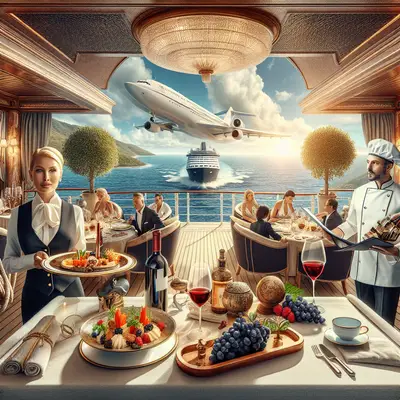
Modern luxury cruisers increasingly judge a ship not by how many restaurants it has, but by how precisely they stage culinary rituals across the voyage. The most refined lines have moved beyond the generic “gala night” to create a sequence of experiences that feel almost cinematic: a chef’s table limited to a handful of guests; a region‑specific menu served precisely on the evening the ship sails from that port; a late‑night champagne and caviar service delivered with hushed ceremony.
What distinguishes these experiences is not only the caliber of ingredients—line‑caught fish from a recent stop, single‑origin chocolates, responsibly sourced caviar—but the choreography around them. Sommeliers offer vertical tastings of a single château’s vintages; bartenders infuse local spirits acquired ashore; pastry teams stage silent‑service dessert tastings that unfold like a tasting menu at a Michelin‑starred restaurant. For those who view dining as theater, the best luxury ships have become moving stages for highly polished, deeply considered culinary performance.
4. Intelligently Timed Itineraries and “Soft” Access
Luxury itineraries increasingly reveal their value not in ports visited, but in when and how they are approached. Experienced cruise enthusiasts pay attention to ships that arrive slightly off‑cycle—slipping into marquee ports at dawn on less congested days, or anchoring offshore and tendering guests to smaller, less trafficked harbors nearby. The result: iconic destinations experienced with an unexpected sense of privacy.
Some lines now design itineraries around shoulder‑season access, late‑evening stays, or overnights that allow guests to see destinations when day‑trippers have vanished. Partnered experiences ashore—small‑group museum entries outside public hours, private vineyard tastings, or early‑access archaeological site visits—have become the new definition of soft power at sea. To the sophisticated traveler, this “soft access” matters profoundly: it transforms a familiar port into a rarefied encounter, one in which the ship’s relationships and timing become part of the luxury proposition.
5. Wellness That Extends Beyond the Spa
Onboard spas are now expected; what sets the most sophisticated luxury cruises apart is the way wellness quietly permeates the entire voyage. Instead of confining restoration to a massage room, thoughtful lines integrate it into daily life: open‑air sunrise yoga framed by an uninterrupted horizon, nutrition‑forward menus designed with spa and culinary teams in tandem, sleep‑optimized bedding and blackout systems in suites, and low‑impact shore excursions that prioritize natural immersion over frenetic sightseeing.
Some ships now employ wellness directors or visiting practitioners—yoga masters, mindfulness coaches, nutritionists—to curate a holistic arc across longer itineraries. Gentle breathwork before sail‑away, guided stretching classes on sea days, or small‑group cold‑plunge rituals in Nordic waters create a rhythm of renewal that feels organic rather than programmatic. For the seasoned cruiser, the measure of a truly luxurious voyage is often how they feel stepping off the gangway: not merely indulged, but recalibrated.
Conclusion
Luxury cruising has evolved beyond the obvious markers of status into something more nuanced: the precision of timing, the quiet sophistication of design, the emotional intelligence of service, and the intangible sense that an entire ship is conspiring—discreetly—in favor of your ease. For cruise enthusiasts who have already experienced the traditional trappings of opulence, these subtler dimensions are where genuine exclusivity now resides.
The future of high‑end cruising will belong to lines that understand this shift: that the modern connoisseur is not chasing spectacle, but seeking orchestration—of space, time, flavor, and feeling. Once you have sailed in that register, every subsequent voyage is measured by how effortlessly it achieves what the best luxury does: making each moment feel singular, and unmistakably your own.
Sources
- Cruise Lines International Association (CLIA) – 2024 State of the Cruise Industry - Industry overview with insights on evolving luxury and guest expectations
- Seabourn Official Website – The Seabourn Experience - Illustrates ultra‑luxury positioning, personalized service, and curated experiences
- Regent Seven Seas Cruises – The Regent Experience - Details all‑inclusive luxury, shore experiences, and onboard refinement
- Harvard Business Review – The Future of Customer Service Is AI-Human Collaboration - Context on how data and human insight combine to create personalized service
- Mayo Clinic – Wellness Strategies for Better Sleep and Recovery - Background on wellness principles relevant to sleep, recovery, and restorative travel
Key Takeaway
The most important thing to remember from this article is that this information can change how you think about Luxury Cruises.