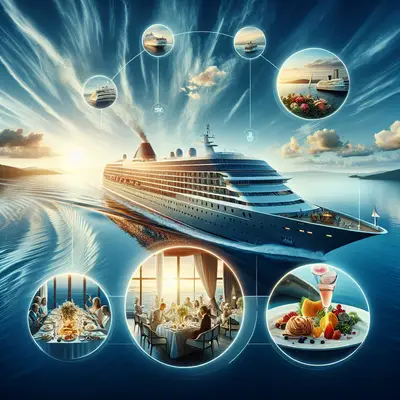
The most memorable voyages are rarely accidents. Behind every flawlessly chilled flute of champagne, impeccably timed sail-away, and seemingly effortless port call lies a network of decisions made far from the sun deck. Today’s most refined cruise lines are not merely moving ships; they are curating ecosystems—of design, partnerships, staffing, and subtle privilege—that discerning travelers sense instinctively, even if they never see the levers. Understanding how these lines truly differentiate themselves turns a pleasant cruise into a deeply informed one, where each refined detail becomes part of the pleasure.
The Signature of a Ship: Design Philosophies You Can Actually Feel
To the practiced eye, you can “read” a cruise line the moment you cross the gangway. The angle of the lighting in the atrium, the acoustic treatment in a lounge, the sightlines from a bar stool—all of it betrays a design philosophy that is anything but accidental.
Some premium lines pursue what might be called “quiet modernism”: clean lines, natural materials, and color palettes that echo the sea and sky rather than compete with them. Others lean into a more club-like, residence-inspired aesthetic, where velvet banquettes, enveloping chairs, and art-led corridors create the sense of being in a private members’ space that happens to float. Pay attention to ceiling heights and how public areas transition into one another; the more artfully orchestrated the flow, the more likely the line has invested heavily in architects and hospitality designers with pedigrees in five-star hotels rather than mass-market resorts.
For enthusiasts, one of the surest signs of a thoughtfully designed fleet is how the “feel” of a ship remains consistent even as you move between classes or sister vessels. The best cruise lines maintain a design language as coherent as a luxury fashion house, allowing you to recognize their signature at a glance—from balcony rail profiles to the curation of sculpture and photography along the stairwells.
The Invisible Choreography of Service
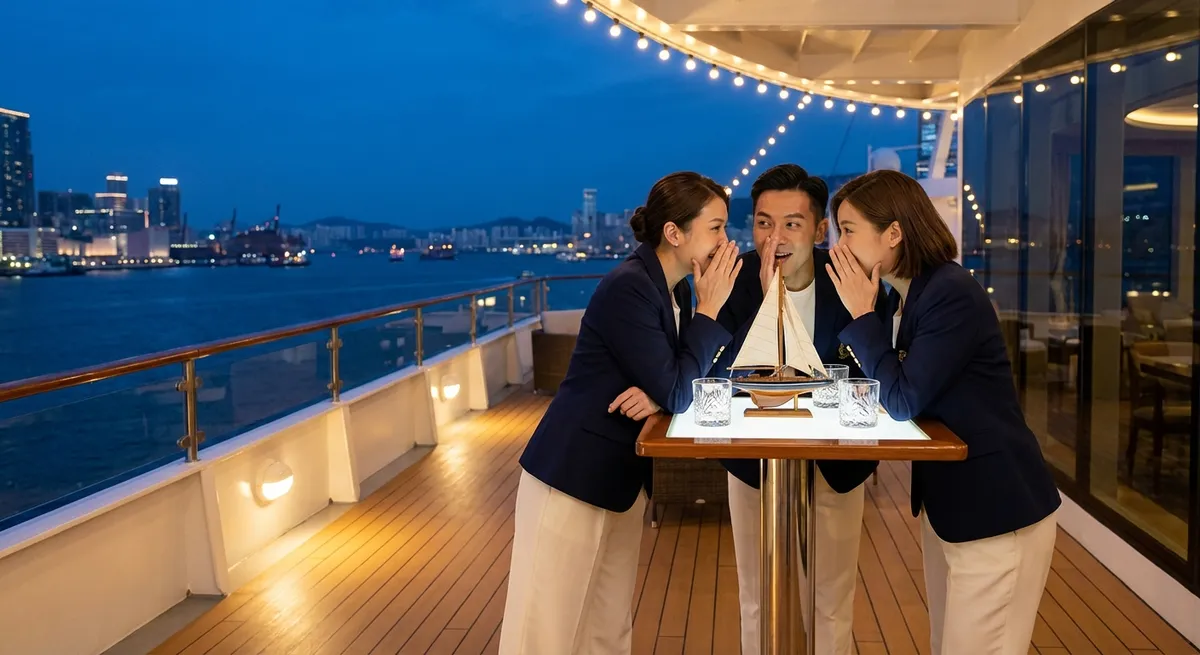
On truly elevated lines, service is less about formality and more about choreography. The finest crews are not simply polite; they are orchestrated, quietly sharing information to create the impression that the ship “remembers” you. That favorite digestif appearing unasked after dinner, the pool attendant who brings a second towel as the afternoon breeze sharpens, the steward who anticipates your early-morning coffee preference before you ever mention it twice—none of this is coincidence.
Premium lines invest in training programs that more closely resemble hospitality academies than mere orientation sessions. Service scripts are refined, tested, and iterated based on guest feedback and cultural nuance. In some cases, butlers and concierges are trained in specific soft skills such as dealing with jet-lagged guests, managing privacy expectations, or orchestrating discreet special occasions without spectacle.
An enthusiast’s insight: the real distinction often emerges on difficult days. When a port is canceled, a tender operation delayed, or the weather turns suddenly, watch how swiftly communication flows, how rapidly alternative experiences materialize, and how genuinely empowered front-line staff seem to solve small frictions. Lines that excel in this invisible choreography have usually invested in robust staff-to-guest ratios, cross-training, and on-board leadership that operates more like a boutique hotel GM than a remote corporate functionary.
Curated Partnerships: When a Cruise Line Becomes a Cultural Host
Today’s most ambitious cruise lines no longer see themselves merely as transportation or even accommodation; they cast themselves as cultural hosts, selective about what—and whom—they bring on board. This is where the most intriguing differentiators emerge for the seasoned cruiser.
Look closely at the names behind the restaurants, wine programs, spa brands, and enrichment experiences. A line partnering with a Michelin-acclaimed chef for a single specialty restaurant is signaling something very different from one that develops fully integrated culinary programs, wine cellars curated by recognized sommeliers, or itinerant guest-chef residencies aligned with specific sailings. Similarly, a spa carrying a globally respected wellness brand, with treatments adapted to sea days and port days, suggests a depth of thinking beyond basic massages and facials.
Some lines have begun cultivating long-term relationships with cultural institutions—museums, concert halls, universities—to bring lecturers, performers, and experts on board. The difference is palpable: you are no longer merely hearing a destination talk; you are attending a salon at sea. For enthusiasts, tracking these partnerships over time becomes a kind of insider sport—an early indicator of where a line is positioning itself intellectually and culturally.
Itinerary Engineering: The Strategic Art Behind “Perfect” Routes
To the casual traveler, a published itinerary is a list of ports. To a connoisseur, it is a strategic blueprint that reveals a cruise line’s priorities, access, and long-term relationships with port authorities and local partners.
Short port calls at peak times, with three or more ships in dock, speak to scale-driven scheduling. By contrast, overnight calls in lesser-known but culturally rich harbors, early departures that bypass the worst congestion, or shoulder-season sailings that catch destinations in their most authentic light all indicate a line willing to resist the gravitational pull of the obvious. Some itineraries are designed with a collector’s sensibility, allowing repeat guests to “stitch” voyages together into extended segments that unfold like a carefully plotted grand tour.
Behind the scenes, this level of itinerary engineering requires sophisticated logistical planning and sometimes years of negotiation. Berthing windows, pilotage constraints, environmental regulations, and cultural events calendars all influence what appears, elegantly simple, in a brochure. For the serious cruise enthusiast, reading itineraries becomes an art: assessing not only where a line goes, but how, when, and in what sequence—an insight-rich proxy for a line’s respect for destination integrity and guest experience.
The Quiet Economies of Space and Exclusivity
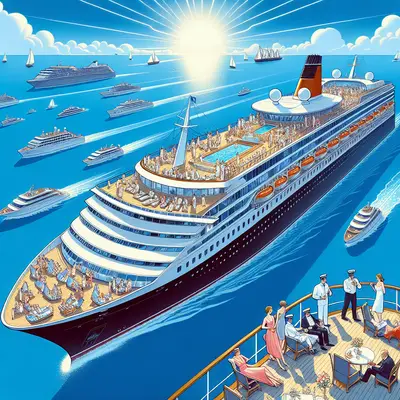
Square footage at sea is a form of currency, and the way a cruise line “spends” that currency is deeply revealing. Mass-market ships advertise headline-grabbing features—water parks, sprawling casinos, adventure installations. Premium lines, by contrast, often choose to invest in negative space: broader corridors, more generous stairwells, fewer but more expansive suites, and quiet lounges that are deliberately underutilized.
One of the subtler distinctions lies in how public and semi-private spaces are managed. Dedicated suite decks, private pool areas, and reserved dining rooms create a layered experience in which, even on a fuller sailing, guests in certain categories feel as though they inhabit a calm, residential enclave. The most refined lines do this without ostentation—no garish signage, no overt separation—just a quiet gradation of privilege expressed through keycard access, layout, and staffing.
Enthusiasts also pay attention to capacity management. A ship may be designed for a certain maximum guest count yet regularly sail below that threshold by intention, effectively “over-allocating” space per passenger. This shows up in subtleties: no queues at breakfast, always-available loungers in preferred locations, spa slots obtainable without a scramble. It is a quiet luxury—one you feel more than see—and it is often the difference between a voyage that feels indulgent and one that merely looks the part in photographs.
Conclusion
In an era when ships grow more dramatic and itineraries more global, the true connoisseur’s advantage lies not just in choosing a cruise line, but in understanding how that line thinks. Design philosophies that you experience as a feeling rather than a theme, service choreography that anticipates instead of reacts, partnerships that transform a voyage into a movable cultural salon, itineraries engineered with the precision of a symphony, and an intentional generosity of space—all of these are signals.
For the discerning traveler, learning to read those signals is part of the pleasure. It transforms the act of booking from a transaction into a kind of curatorial decision, aligning your own sensibilities with a cruise line whose quiet power plays at sea resonate with your idea of what a truly exceptional journey should be.
Sources
- Cruise Lines International Association (CLIA) – Industry Outlook & Trends - Provides context on how cruise lines are evolving in design, itineraries, and guest experience
- U.S. Department of Transportation – Maritime Administration (MARAD) - Background on the development and operational realities of the cruise industry
- Condé Nast Traveler – How to Choose the Best Cruise Line - Insight into differentiation among lines in terms of service, ambiance, and onboard experience
- Forbes – Luxury Cruise Lines Redefining Travel at Sea - Examples of premium cruise lines and their strategies in design, partnerships, and service
- Travel + Leisure – The World’s Best Ocean Cruise Lines - Guest-driven rankings and descriptions that illustrate how refined experiences are perceived and rewarded
Key Takeaway
The most important thing to remember from this article is that this information can change how you think about Cruise Lines.